
Ceramic Coatings
Which coating? Pick by skill level. Paint coatings run from easiest to hardest. First coating? Start with Beginner. Coated before? Intermediate and Advanced. Super advanced coatings are for experienced coaters: they reward perfect technique and punish mistakes, so we recommend professional application in our Melbourne studio or our coating masterclass. Whatever you choose, preparation decides the result: decontaminate, correct, then a residue-free panel wipe.
“Enquire for price”? Those coatings are sold after a quick chat, so we can match the coating to your experience and set you up properly. Just ask us in the chat, bottom right.
BeginnerIntermediateAdvancedSuper advancedPPF & wrapGlassWheels & calipersTrim & headlightsInteriorIndustrial & multi-surfacePrep & extras
Read first: a chemist’s comparison of the coatings we sell · the “9H” myth · is your coating actually on the car? | More: glass coatings · wheel coatings · coating prep · coating cloths & applicators
Filters
50 products
Paint coatings: Beginner
Forgiving and easy to level. A good first coating.


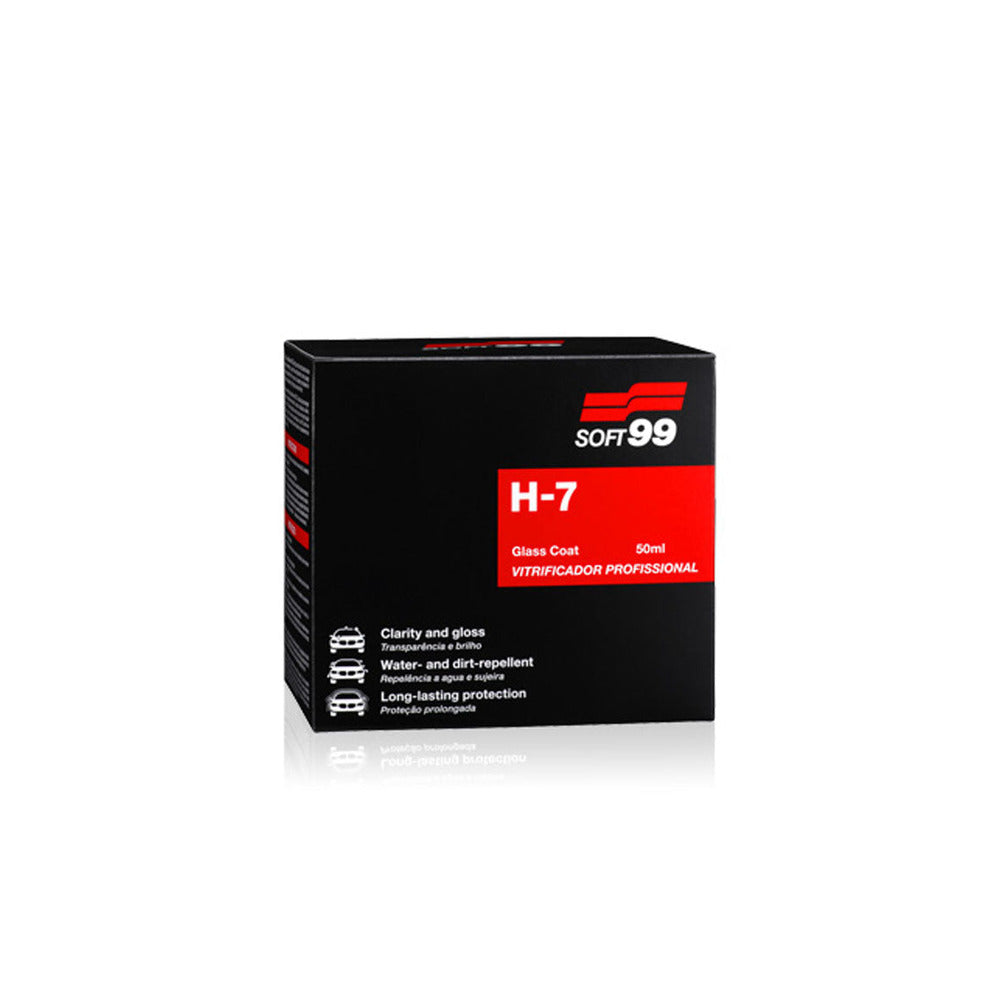


Paint coatings: Intermediate
Needs proper prep, good light and correct flash times.


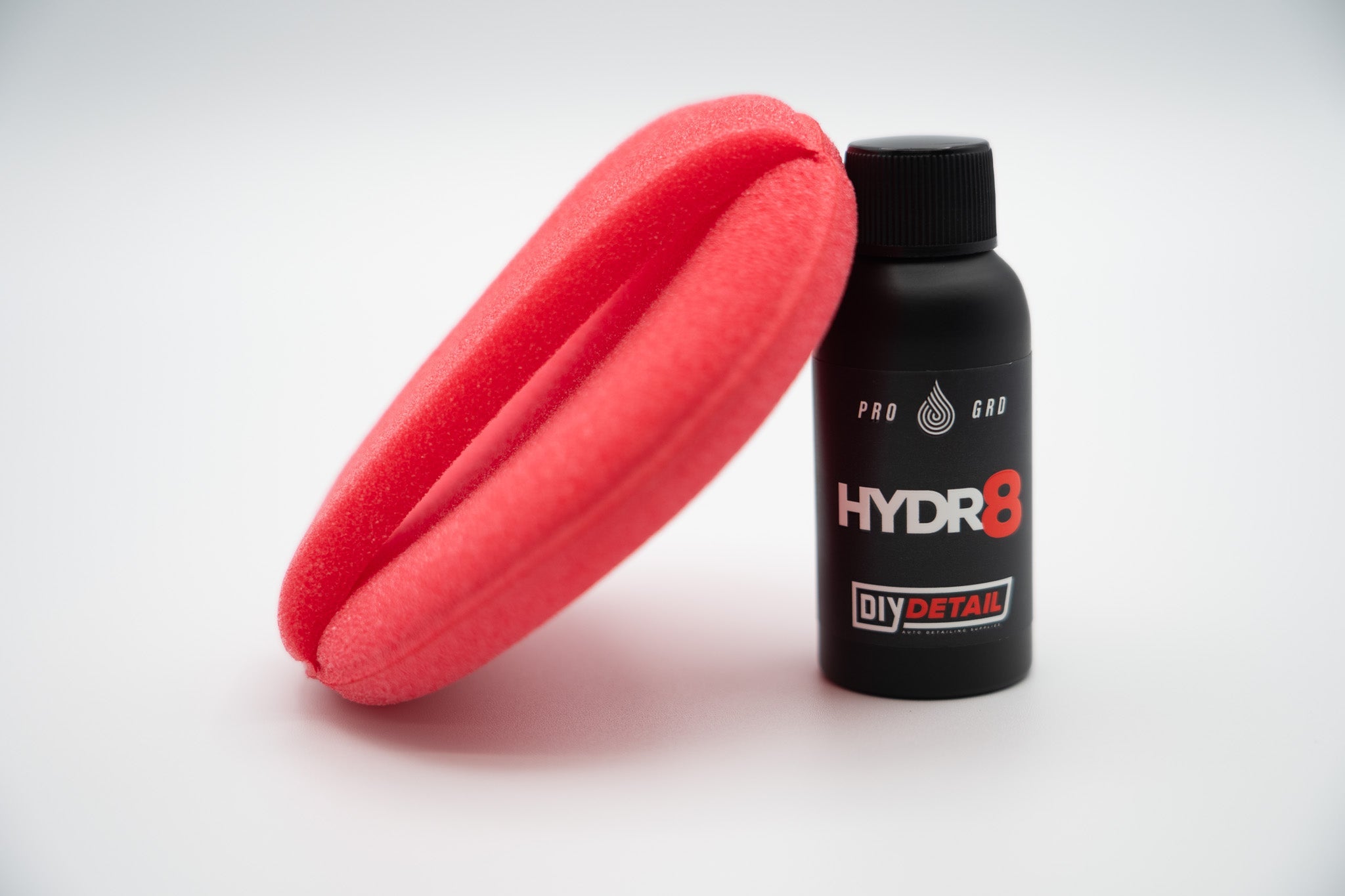



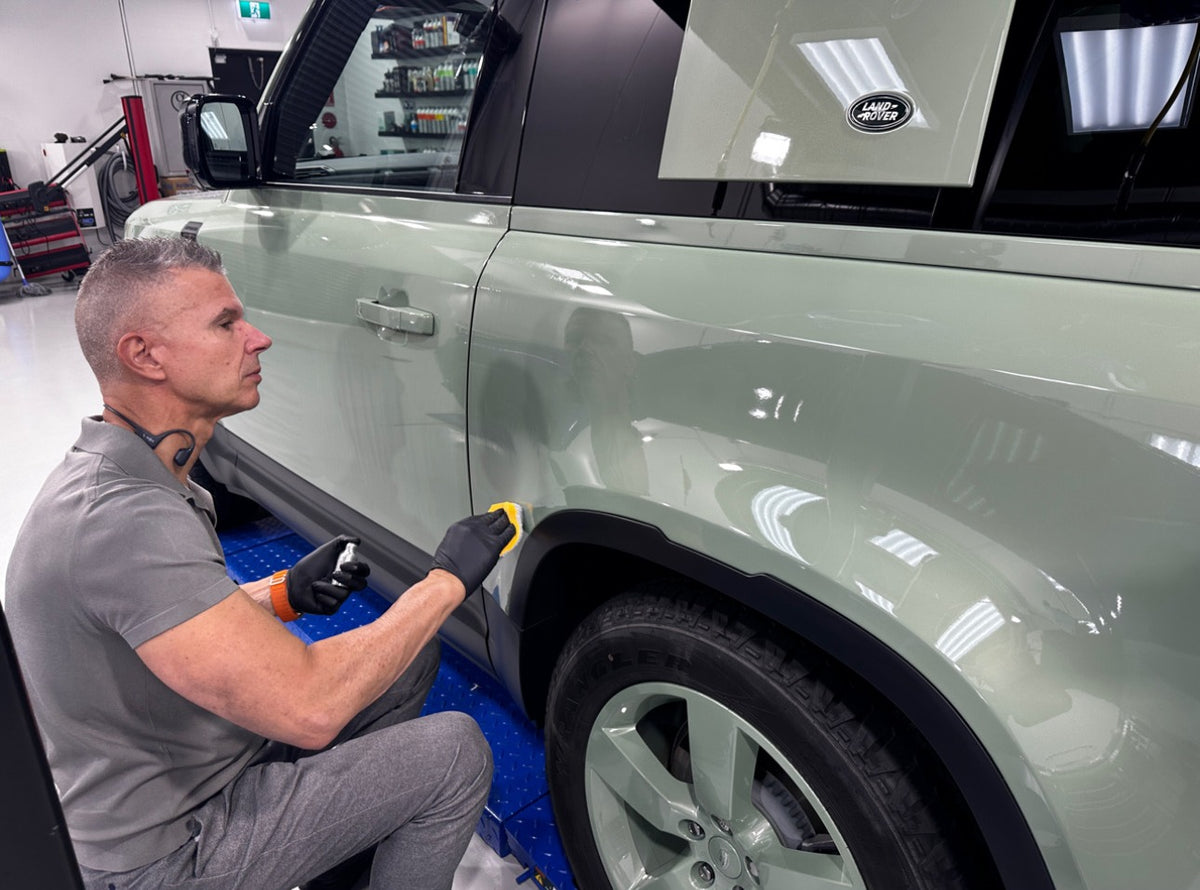
Paint coatings: Advanced
Short working window. High spots are hard to fix once cured.
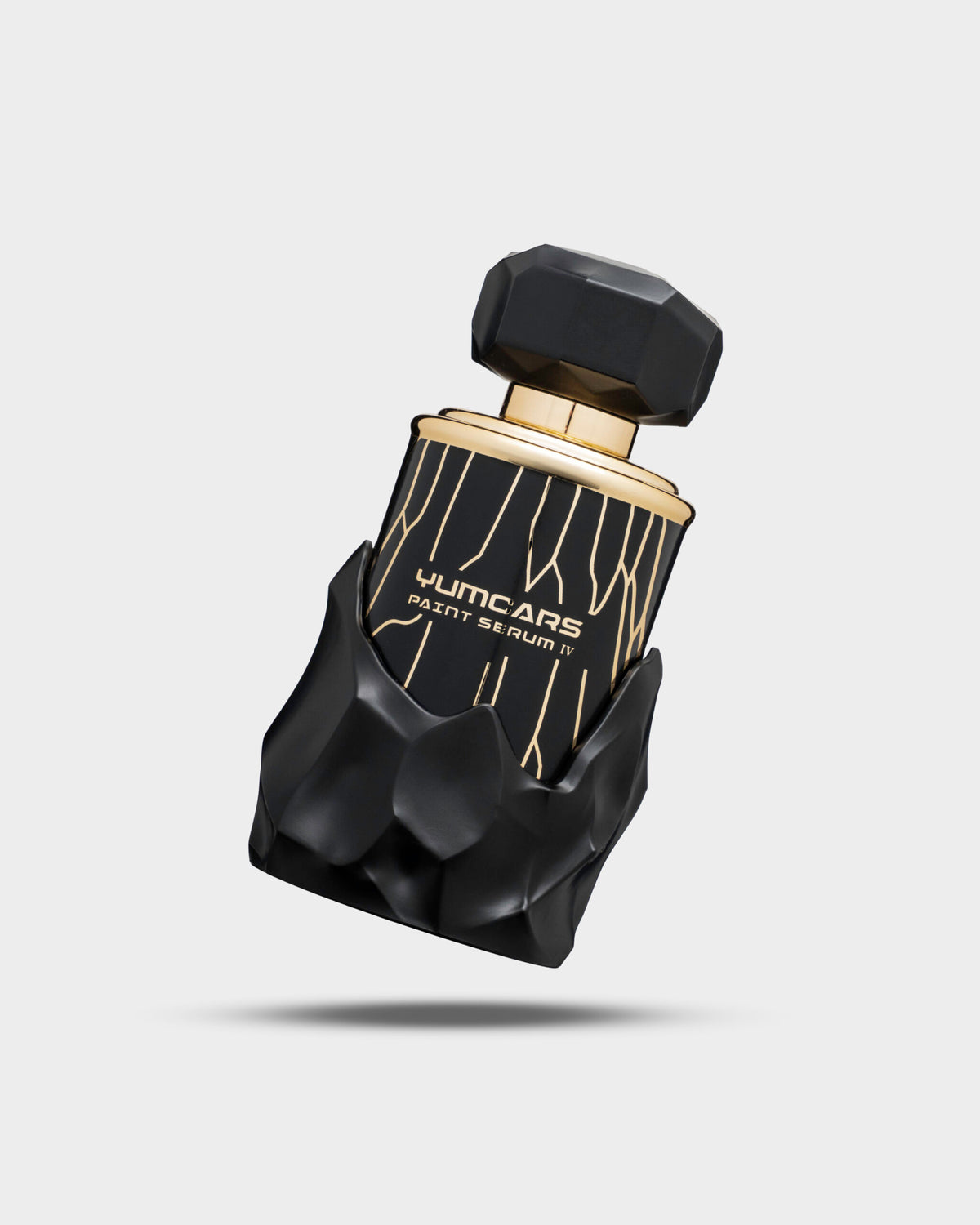
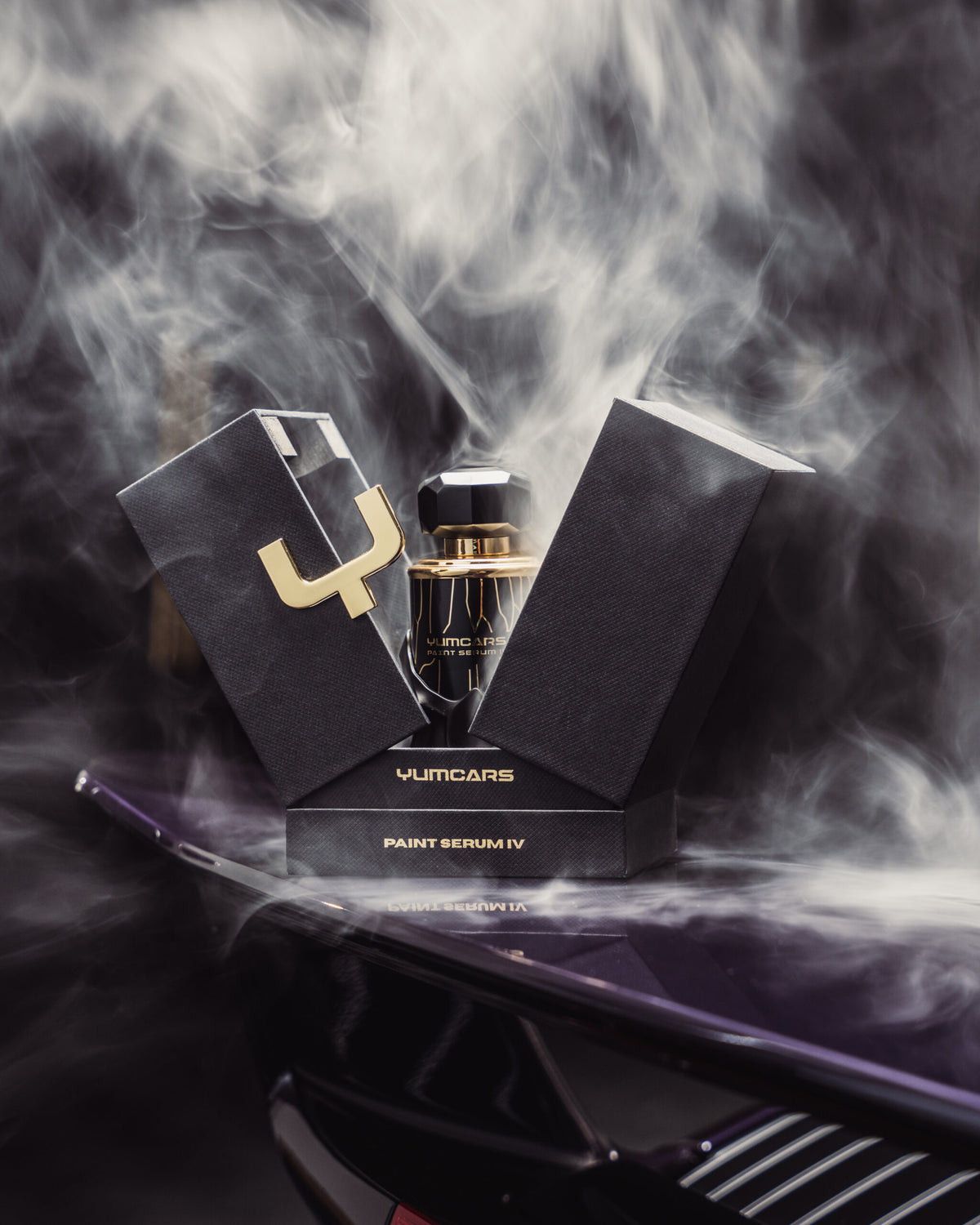
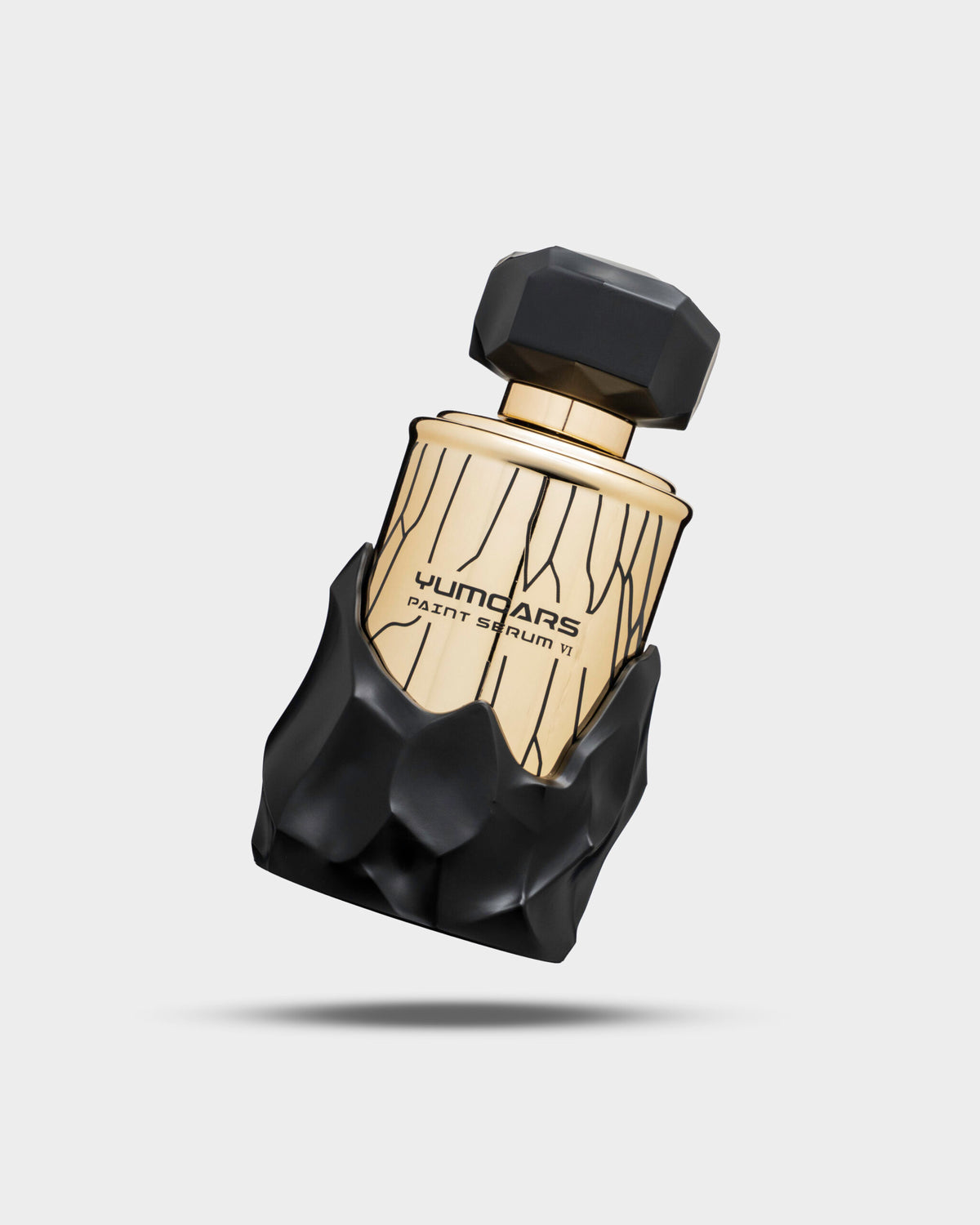
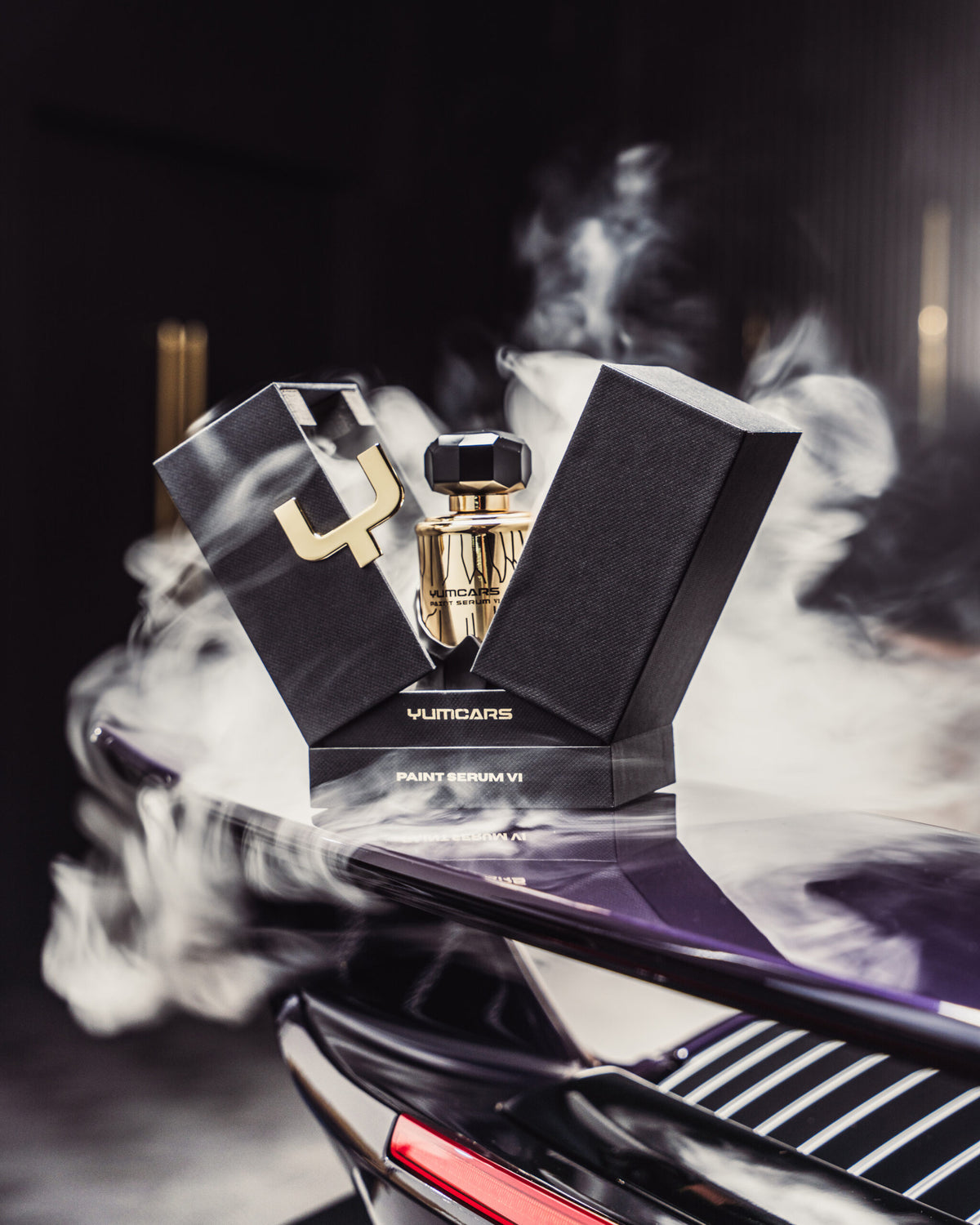


Paint coatings: Super advanced
For experienced coaters only. We recommend professional application or our coating masterclass. Book an application →
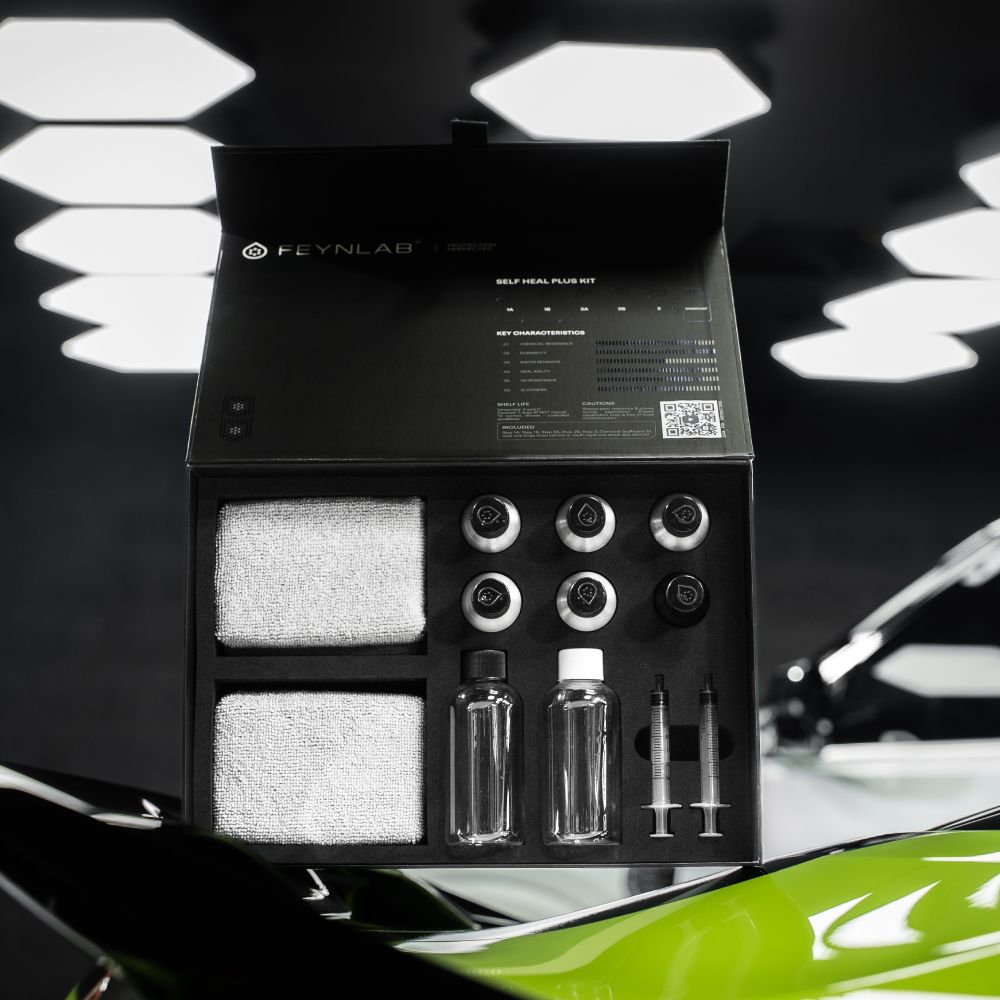
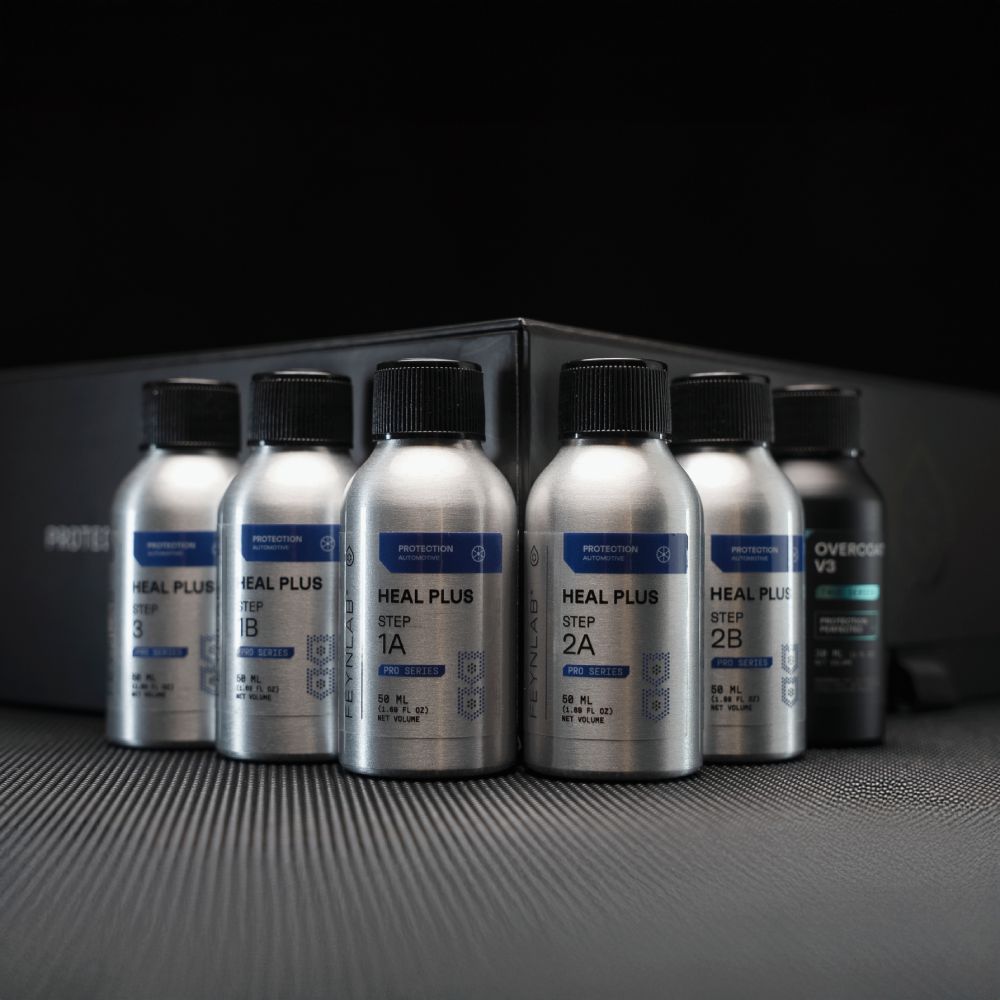


PPF & wrap coatings
Easy to apply.
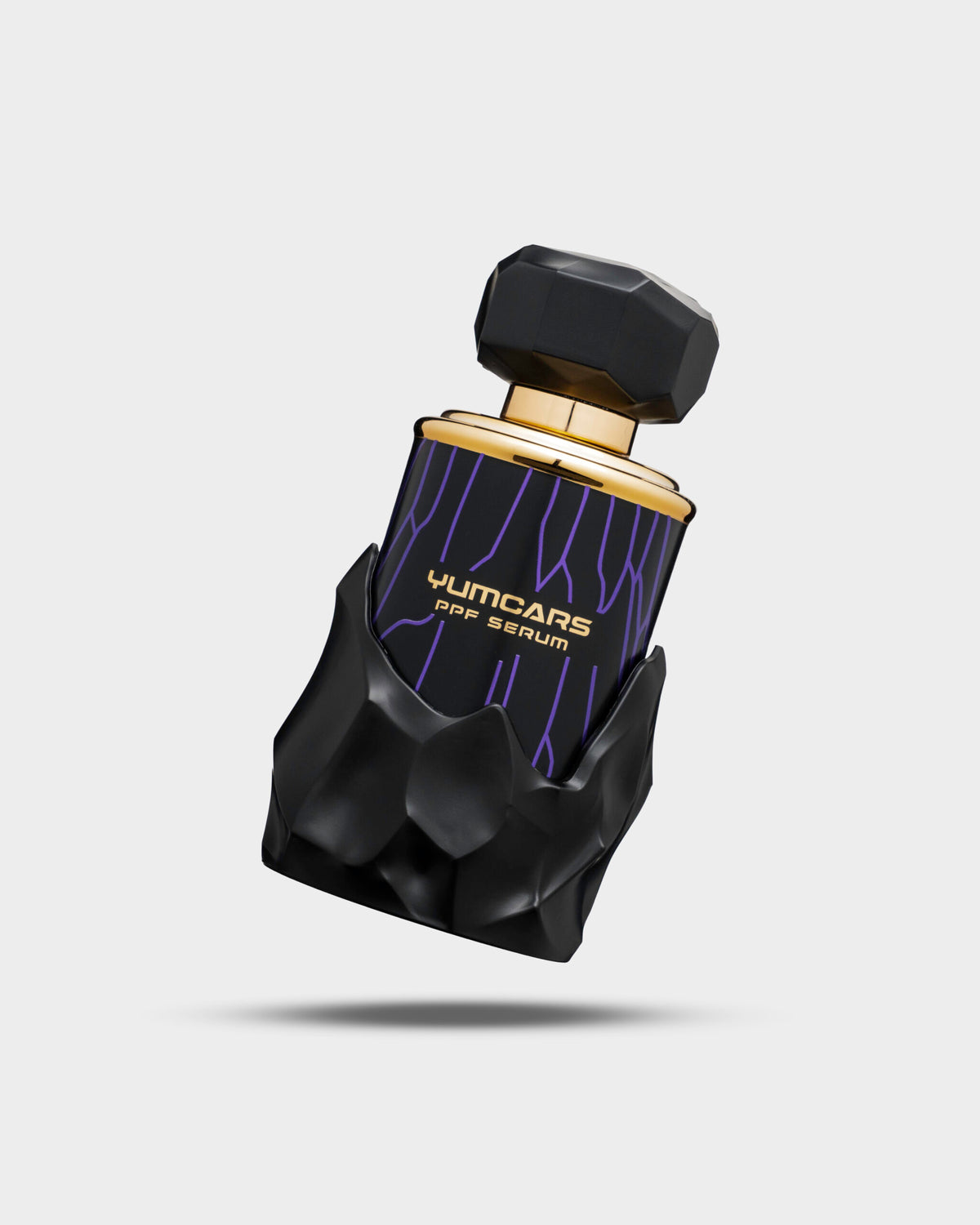
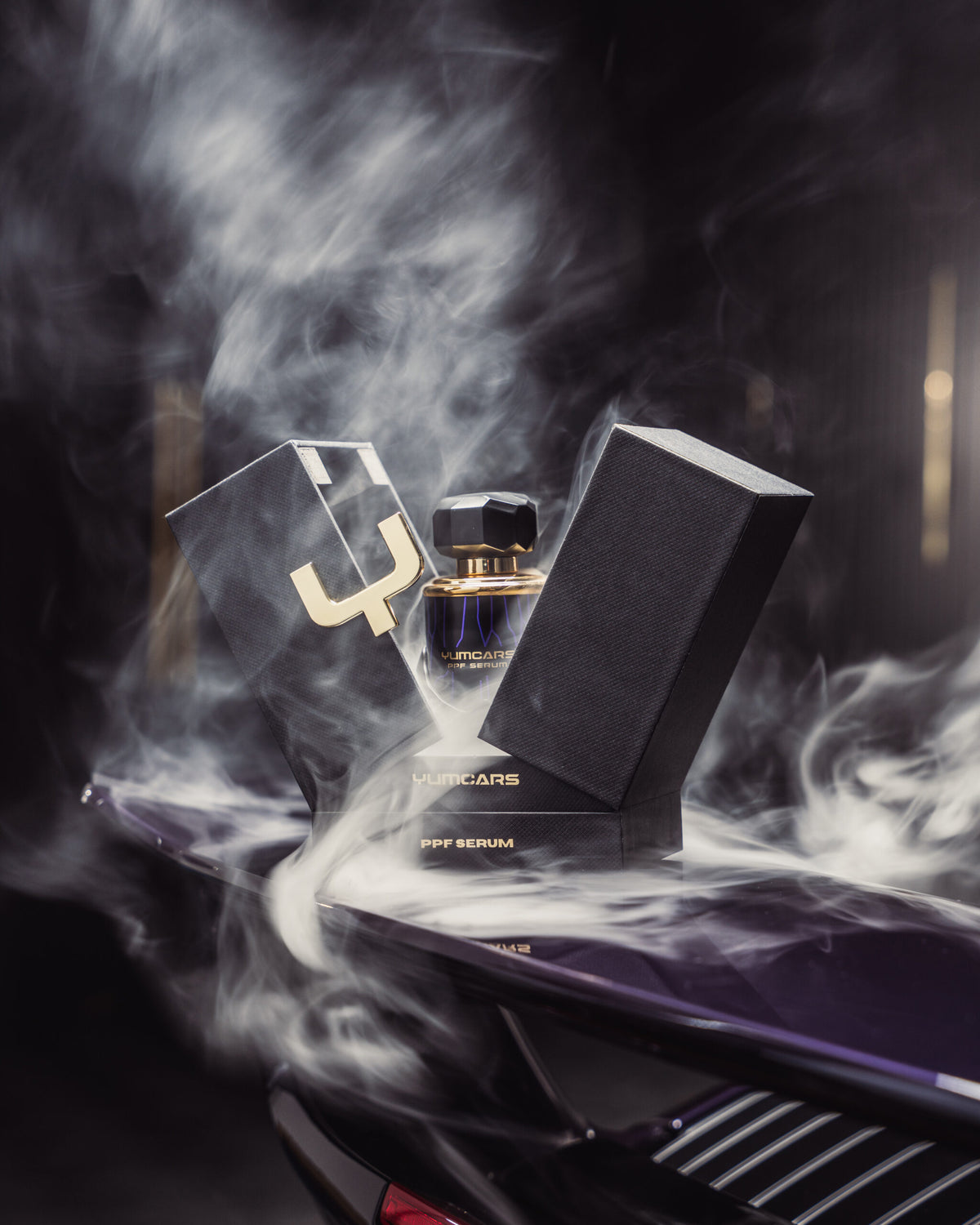


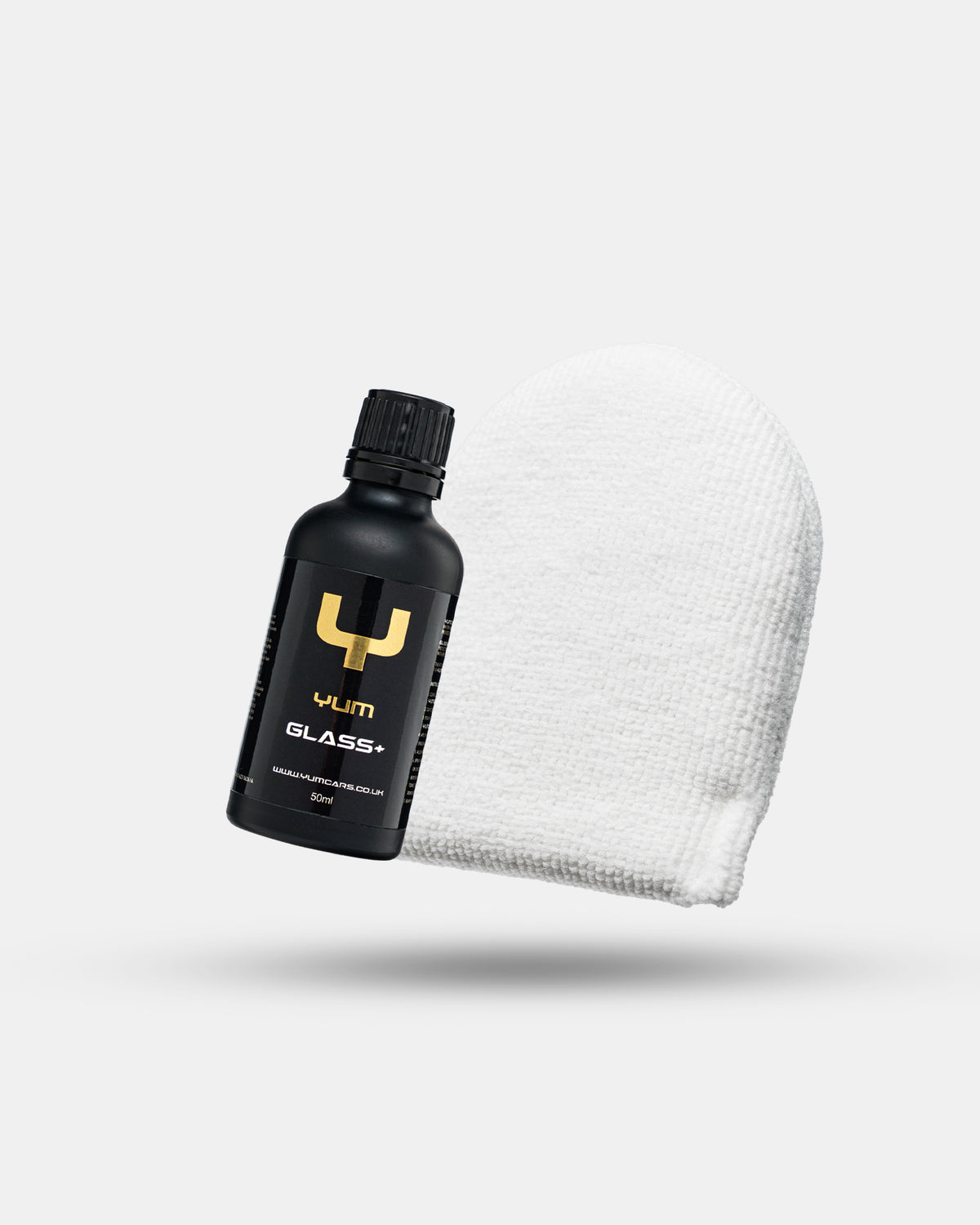
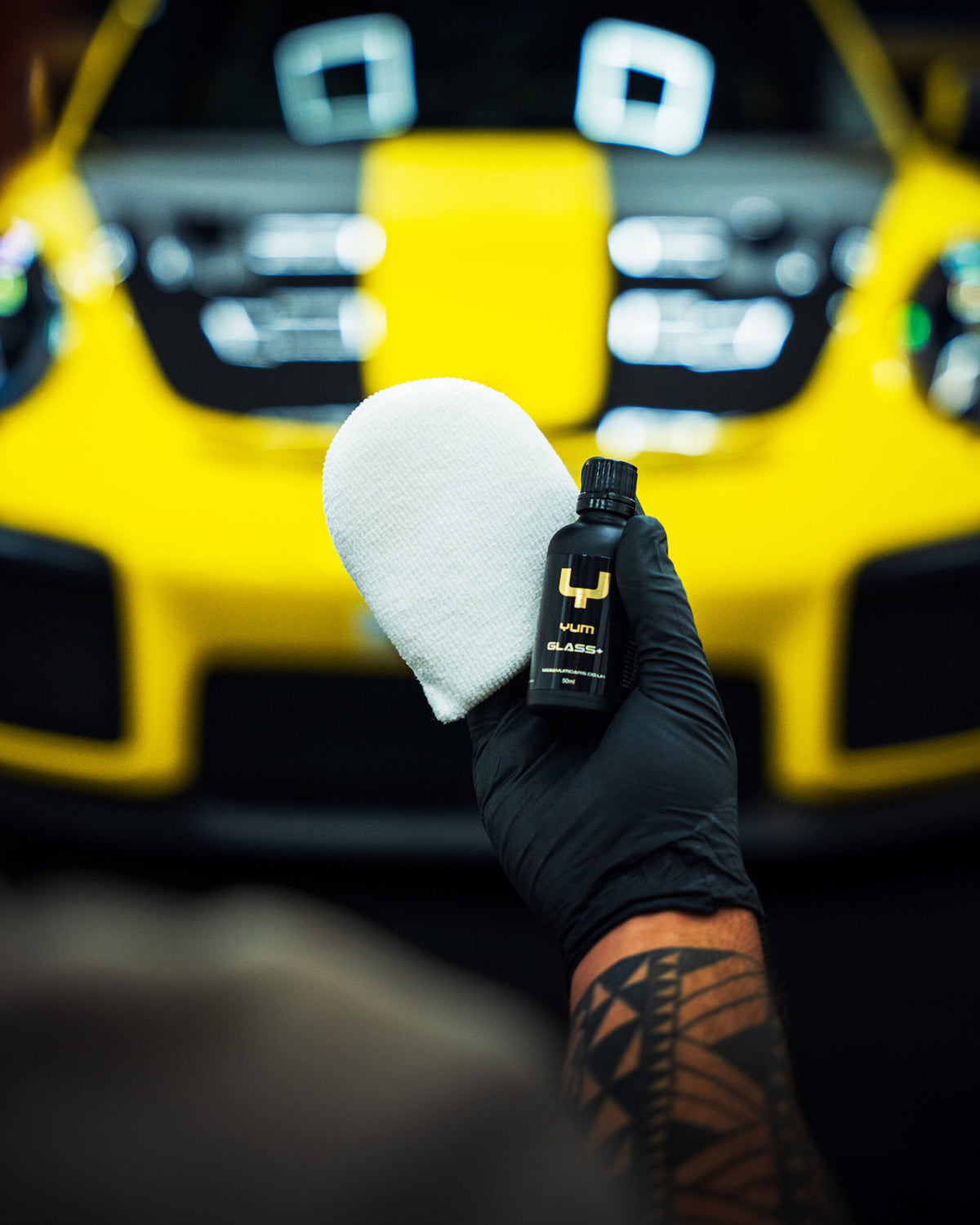
Glass coatings




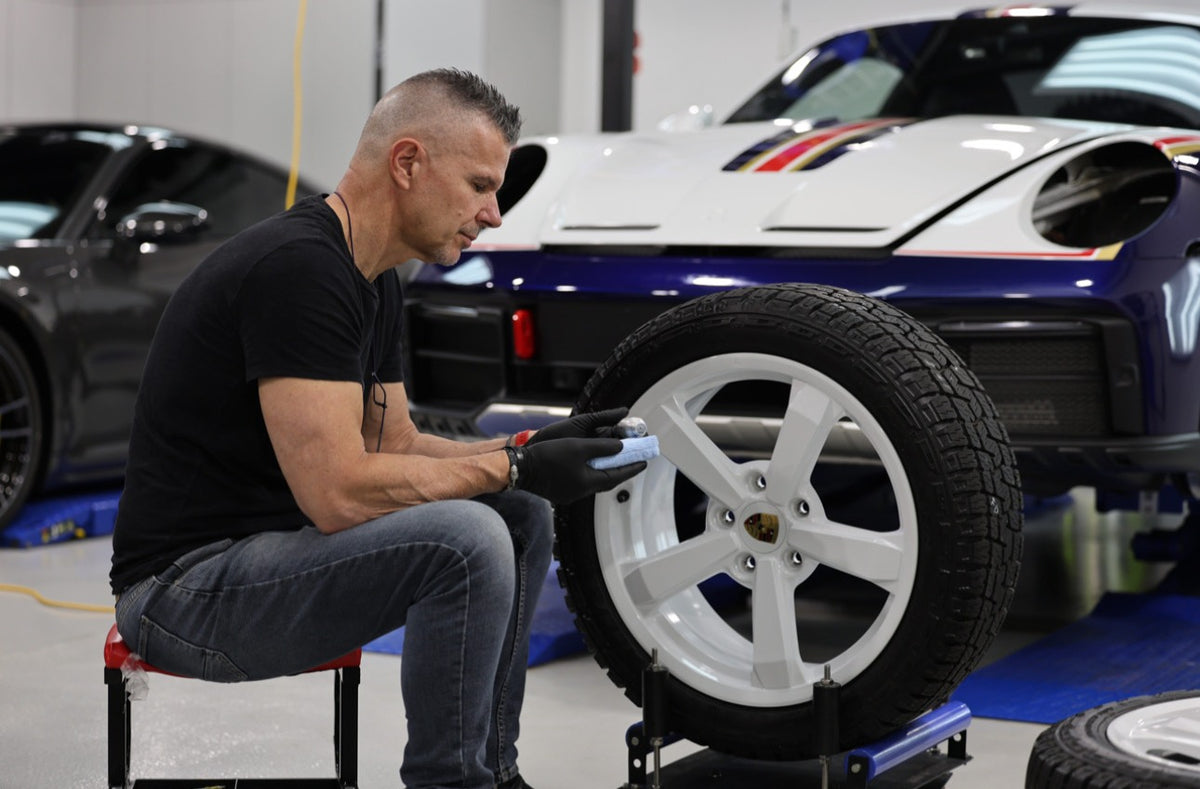
Wheel & caliper coatings



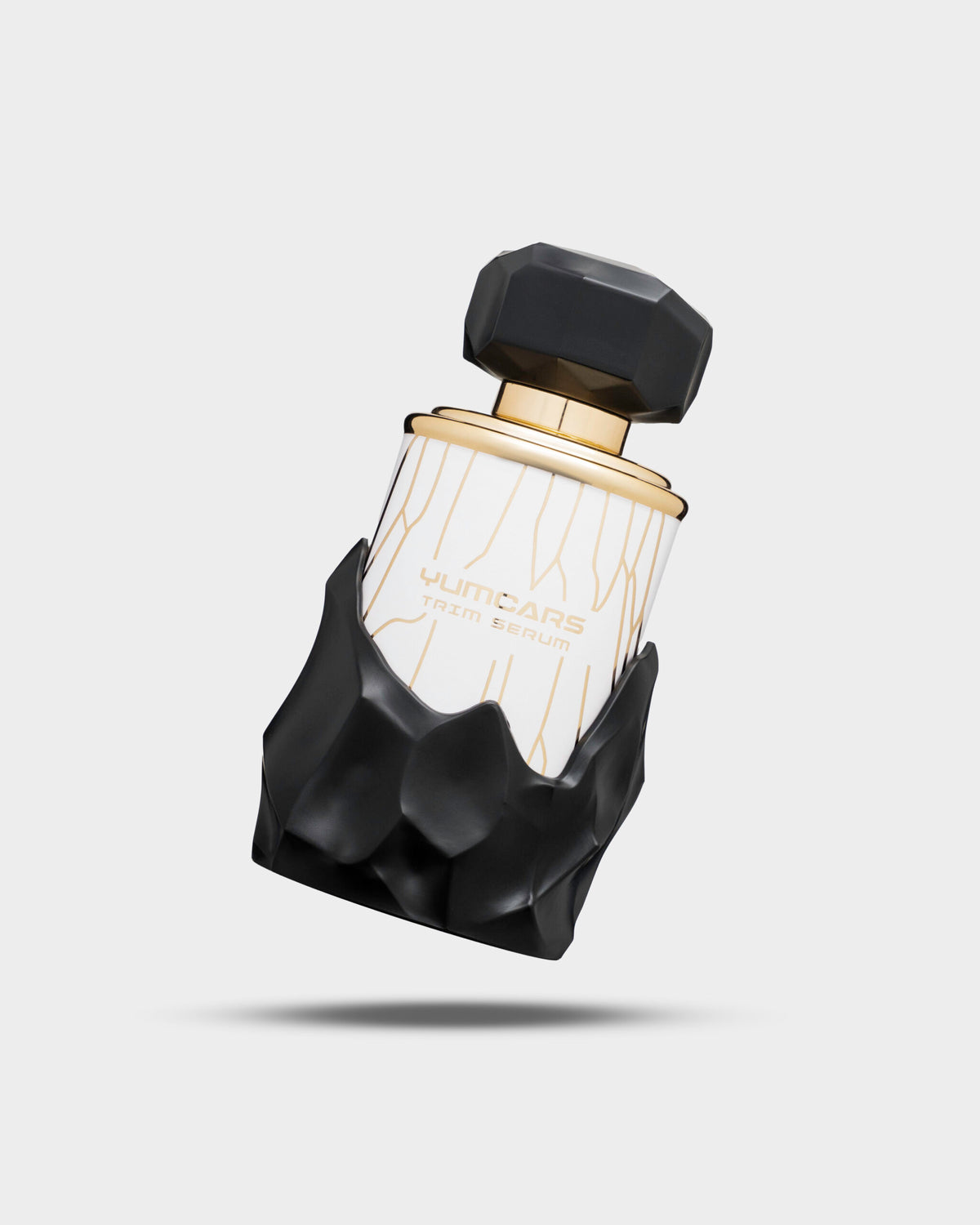
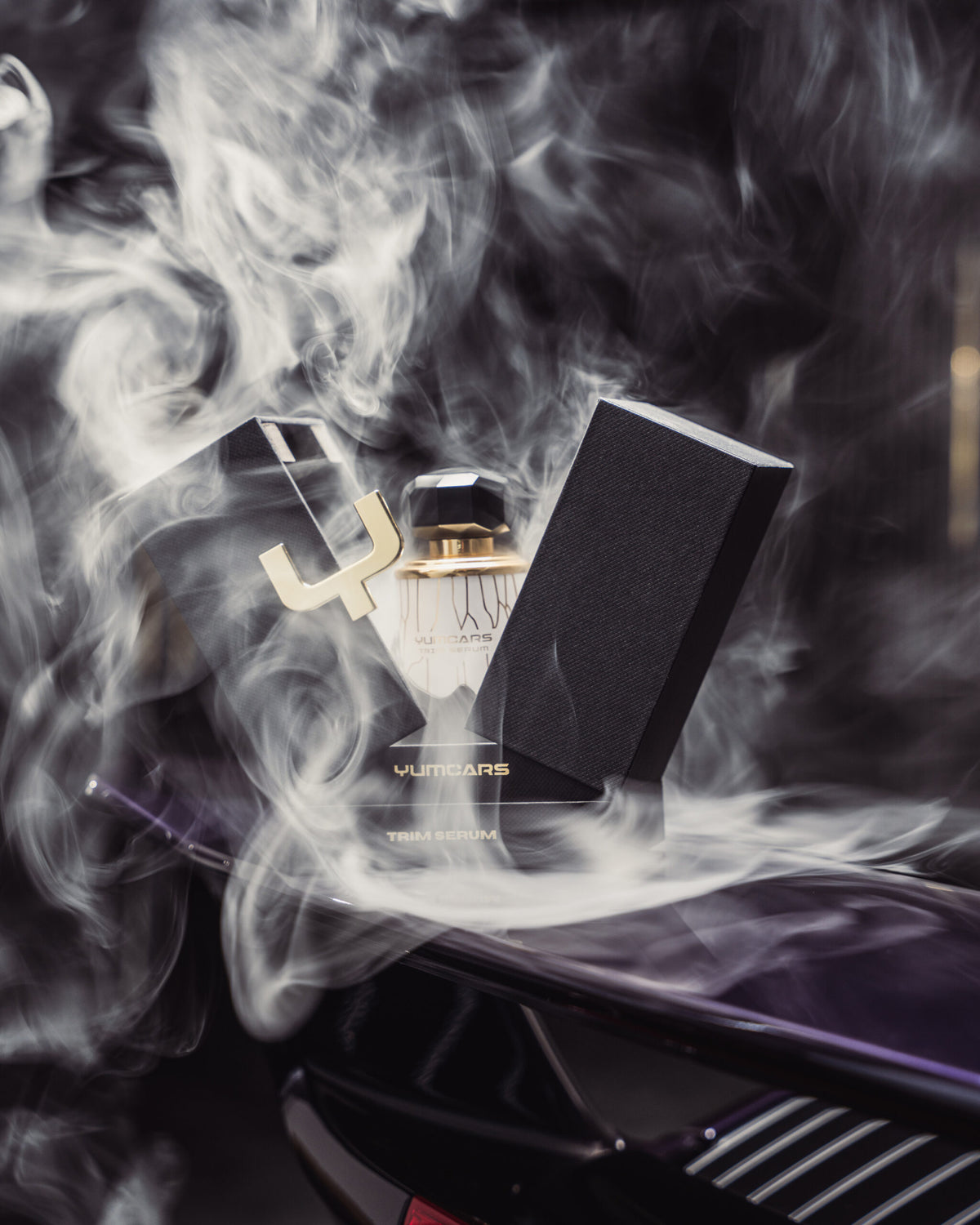
Trim, plastics & headlights

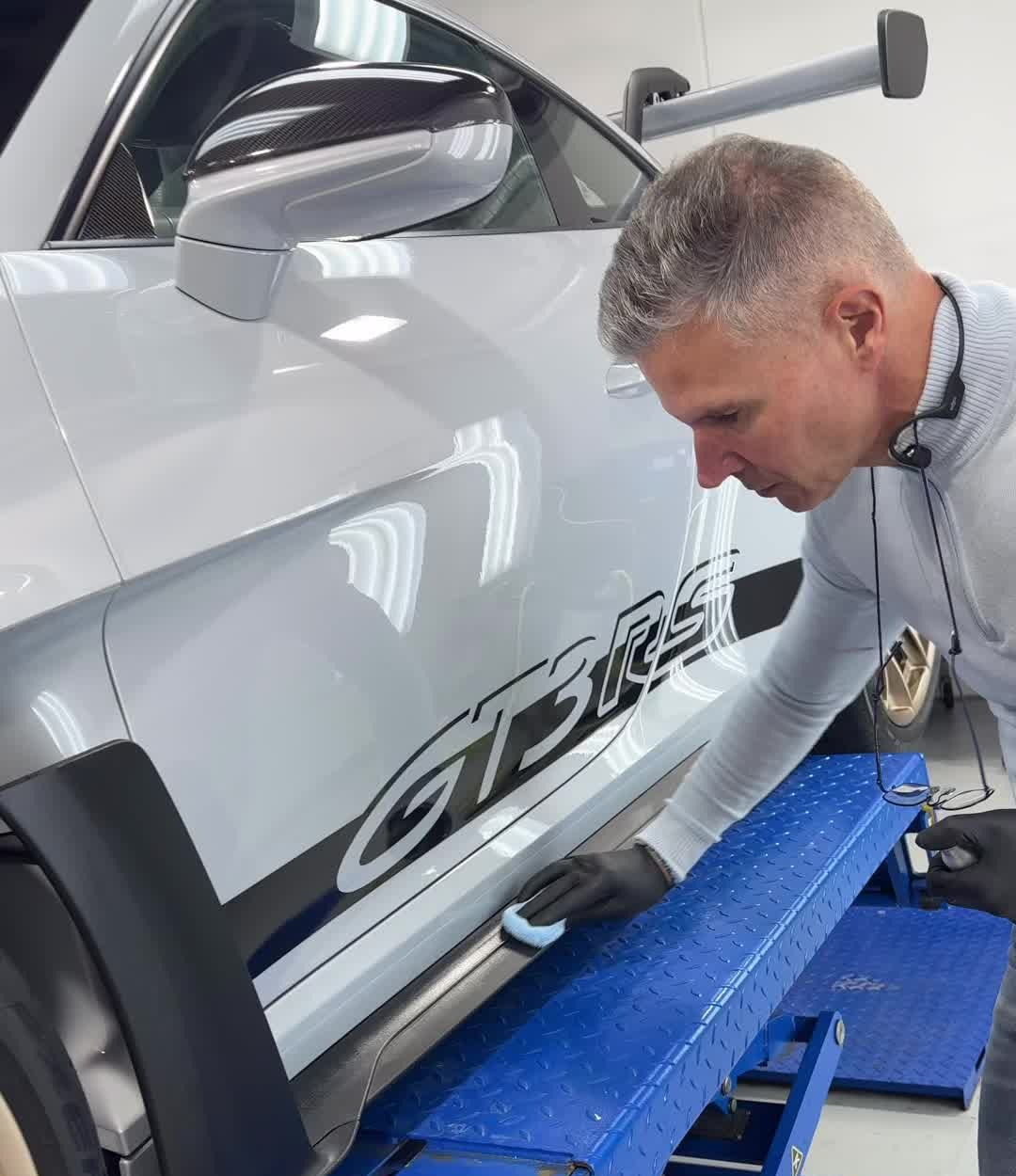


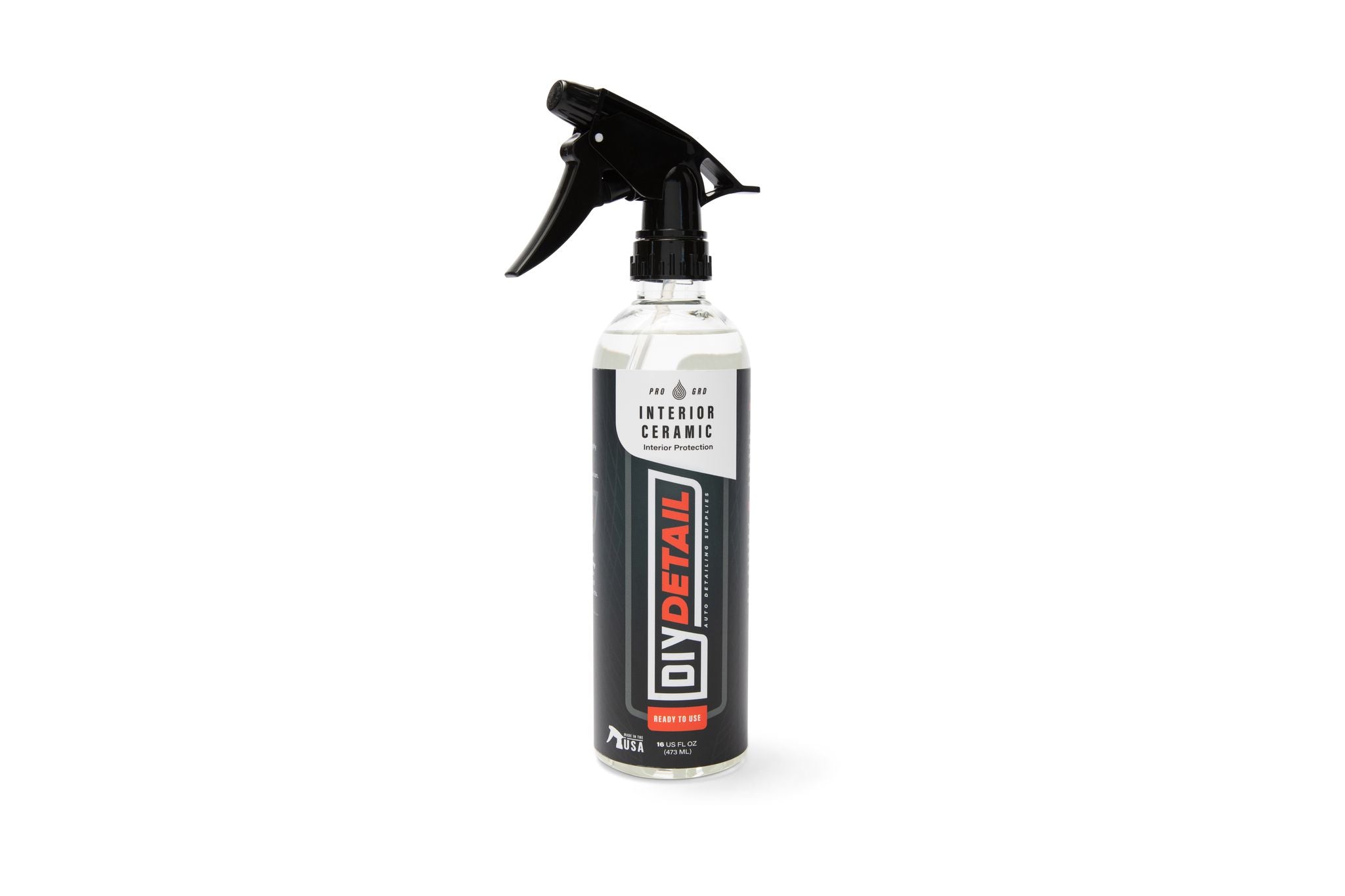
Interior coatings
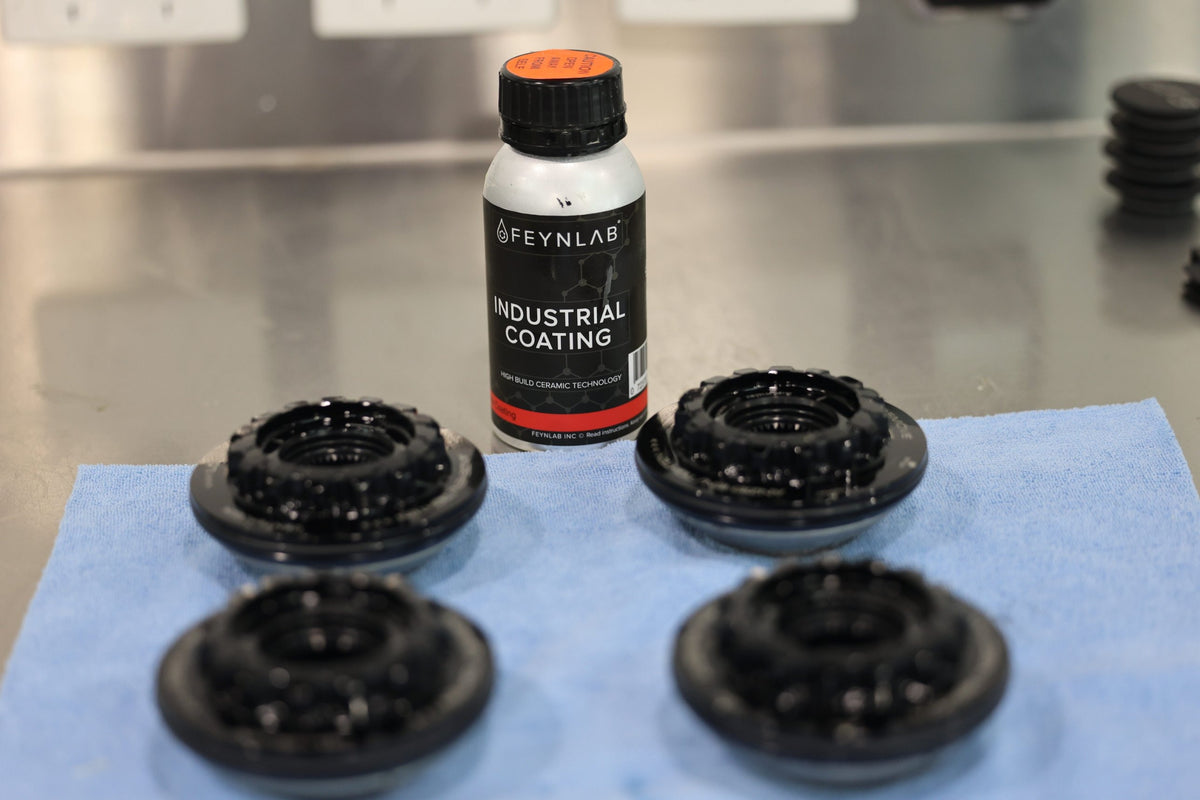
Industrial & multi-surface coatings
For machinery, equipment and structures: painted metal, plastics, stone and concrete. Exterior only.

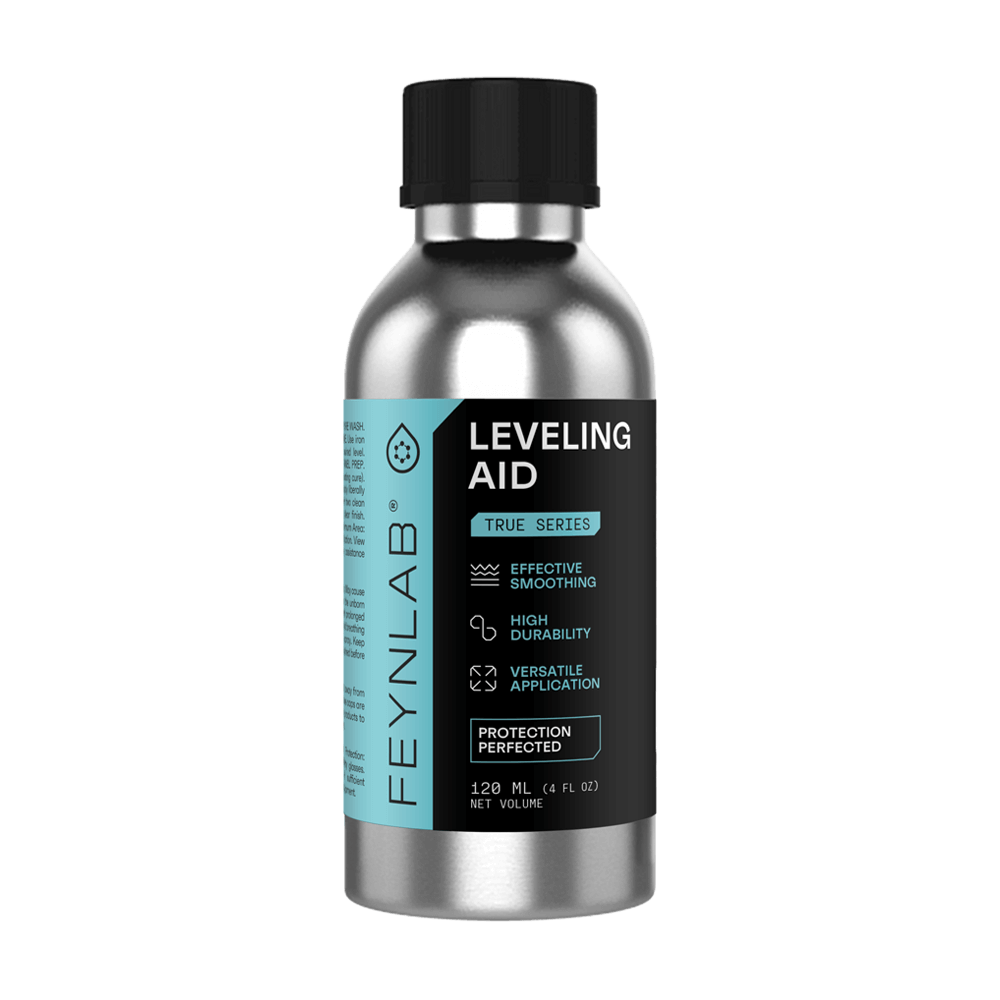
Prep & extras


Which coating do I need?
- First coating, doing it yourself? A single-layer, forgiving coating.
- Longest life? A professional or multi-layer coating.
- PPF or a wrap? A film-specific coating.
- Matte paint? A matte coating that won't add gloss.
How it works: most coatings react with moisture in the air and cure into a hard, glass-like layer. It only bonds to clean, bare paint, so decon, polish and panel-wipe first. Durability figures are the manufacturer's own and assume correct prep and care.
Keep it working: pH-neutral shampoo for routine washes, and an acid wash when the beading fades.
A ceramic coating is a liquid polymer — typically built on silicon dioxide (SiO₂) or polysilazane chemistry — that bonds to your clear coat and cures into a hard, hydrophobic layer. Unlike a wax that sits on the surface and washes away in weeks, a cured coating becomes part of the surface: years of UV resistance, chemical resistance and gloss, not months. The differences between coatings are real chemistry, not marketing — Si–O versus Si–N backbones, physical versus chemical resistance, self-healing polymers — and they decide which coating suits your car and how you use it.
Not sure where to start? Read our guides: Physical vs chemical coatings — what the labels actually mean, the “9H” myth, a chemist's honest Labocosmetica vs Feynlab comparison, and how to make a coating actually last. Prefer it done professionally? See our Melbourne ceramic coating service.