
Iron Removers
Filters
13 products
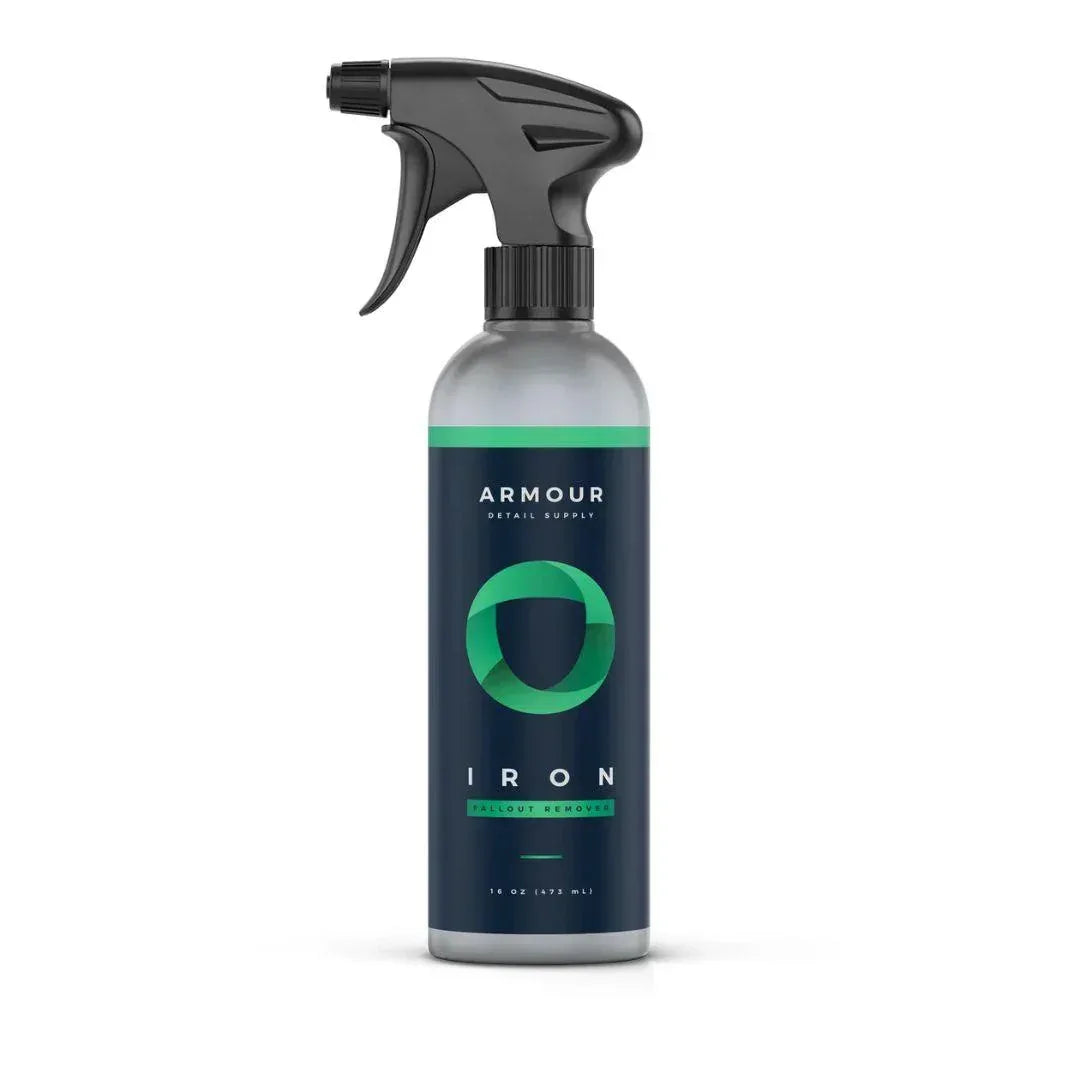
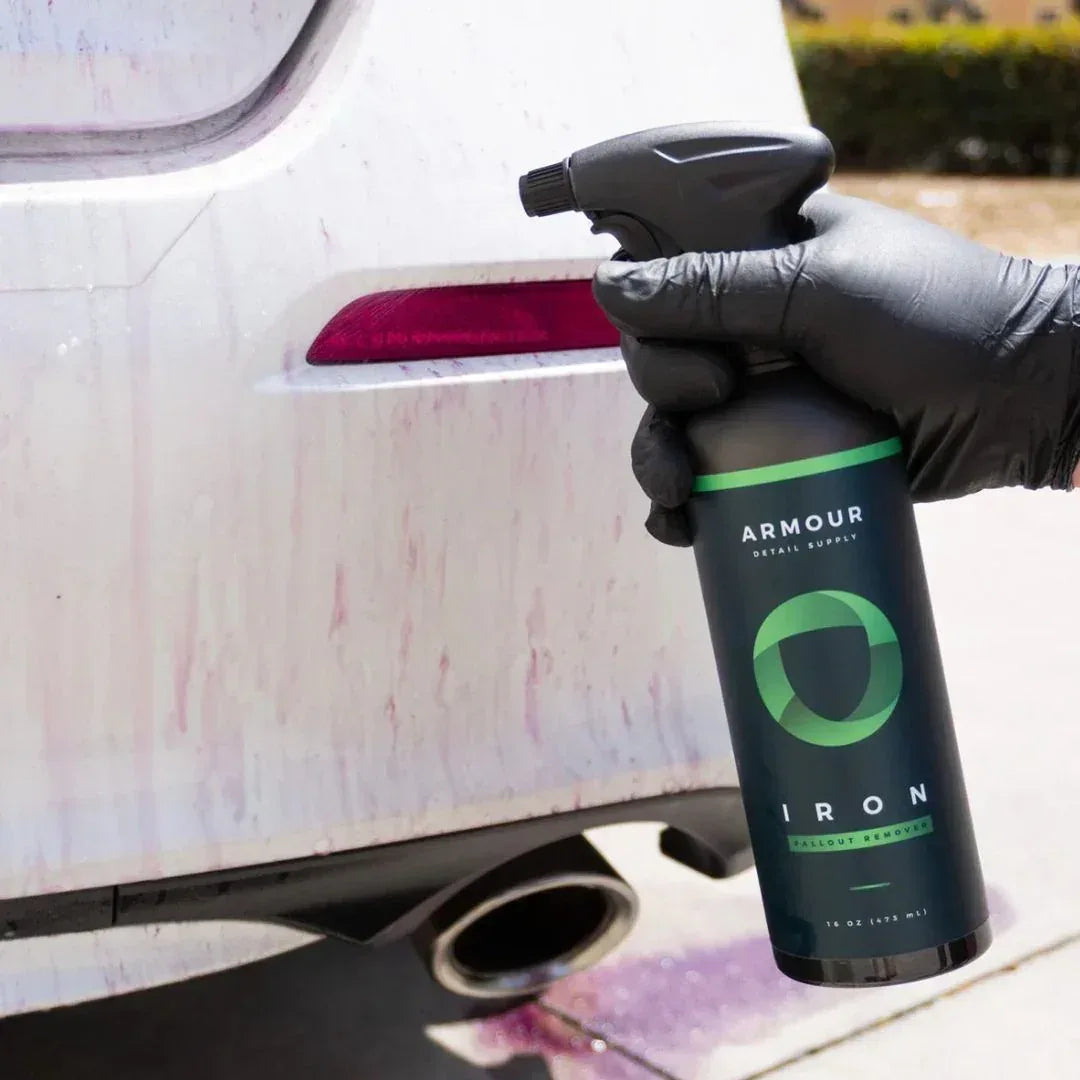
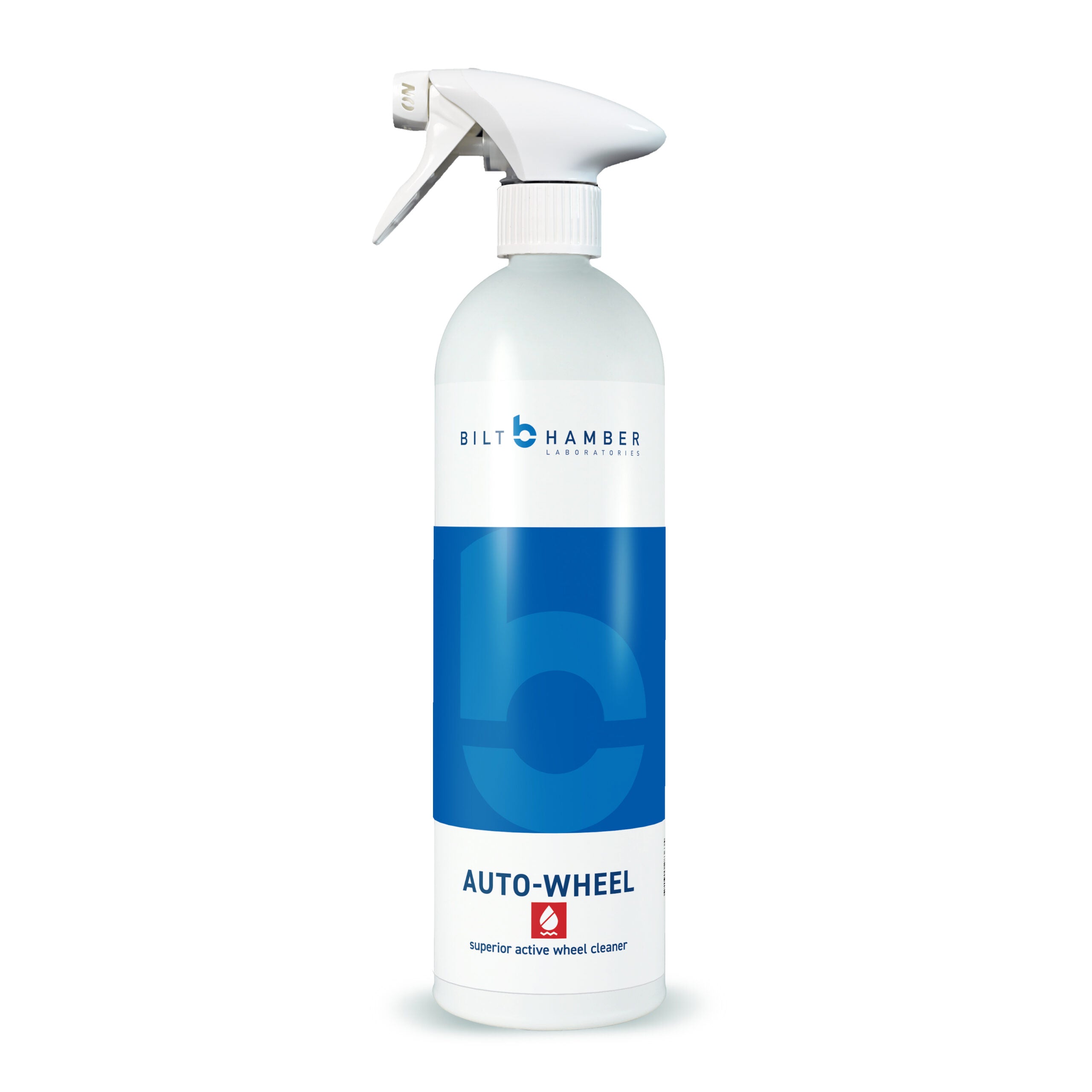
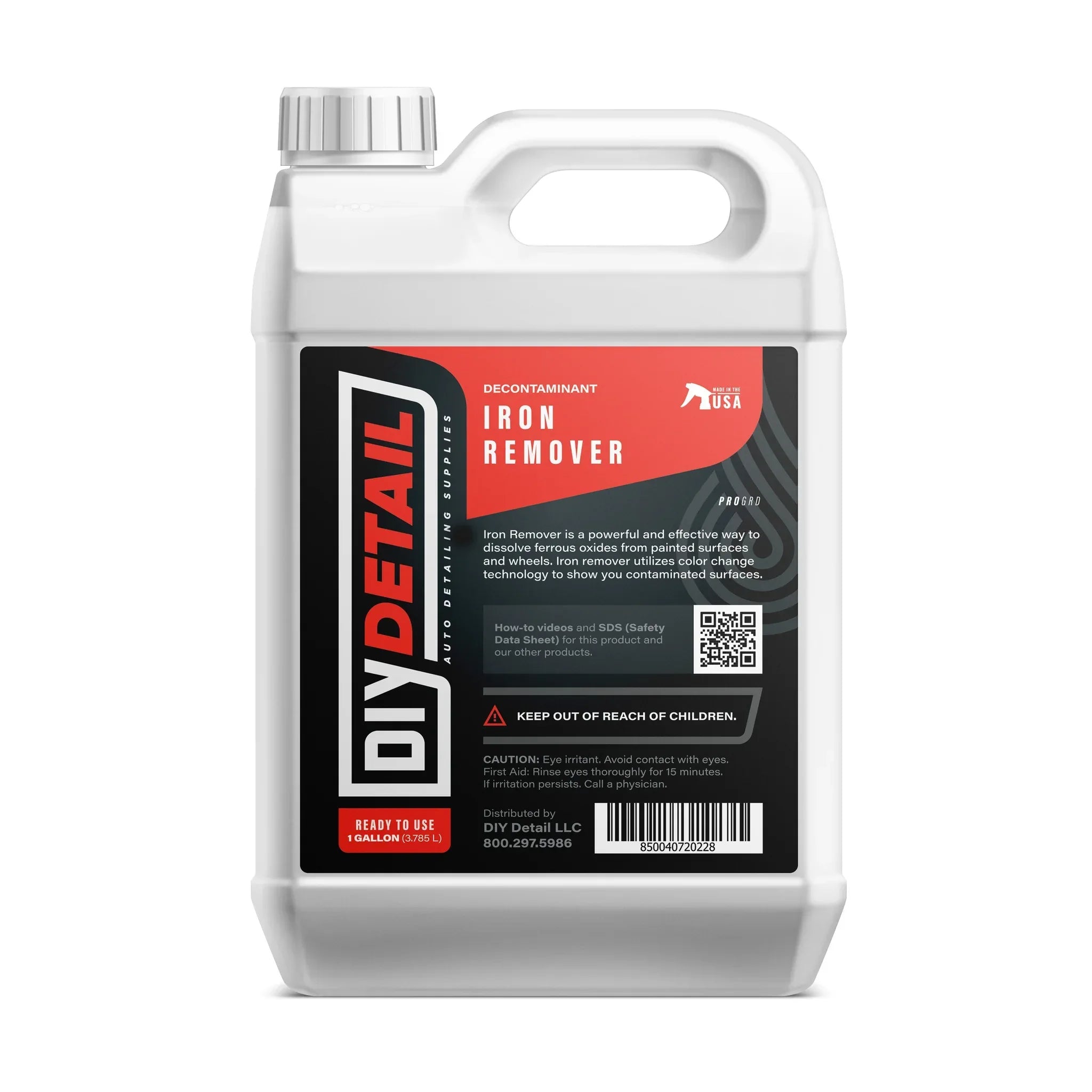
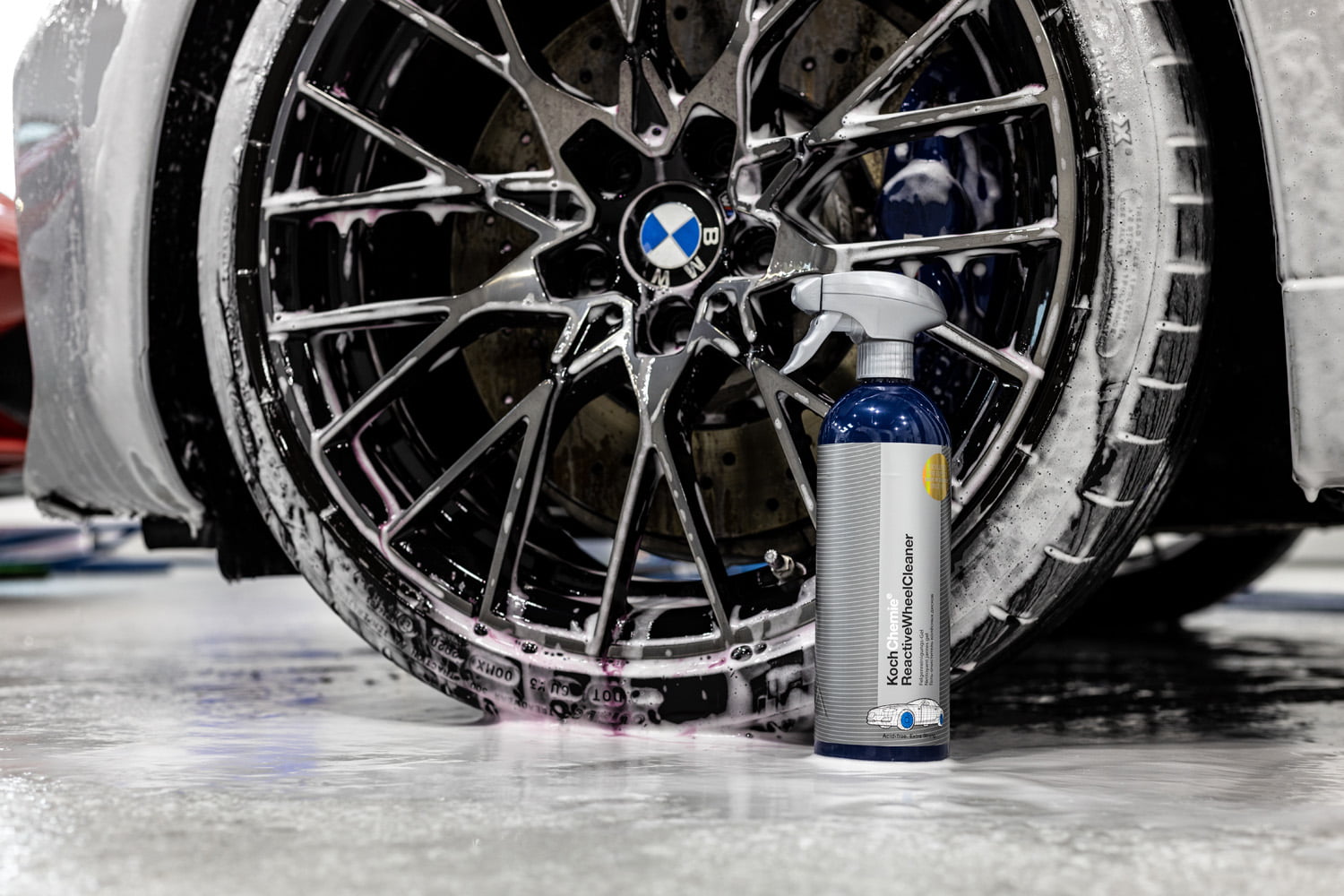
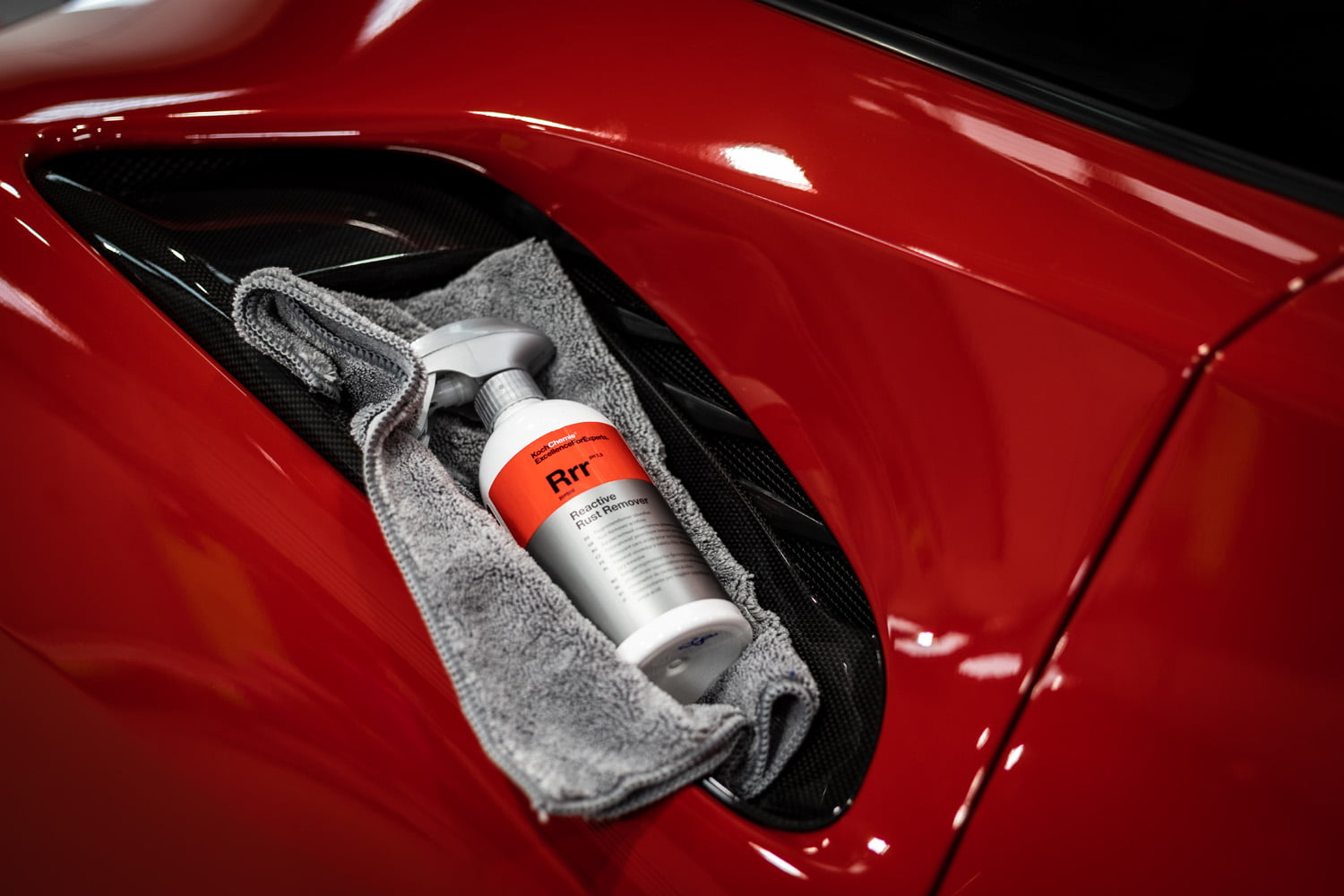
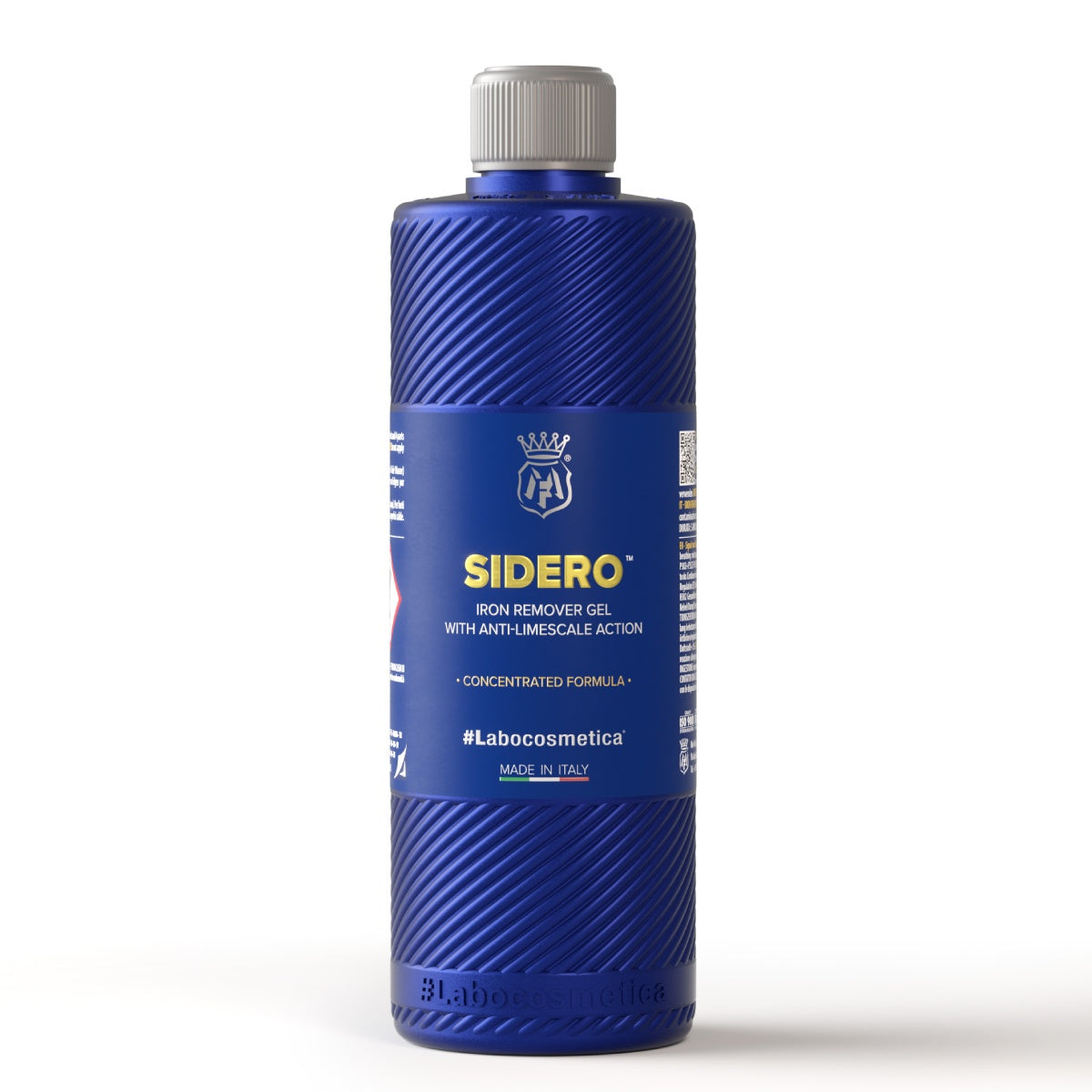
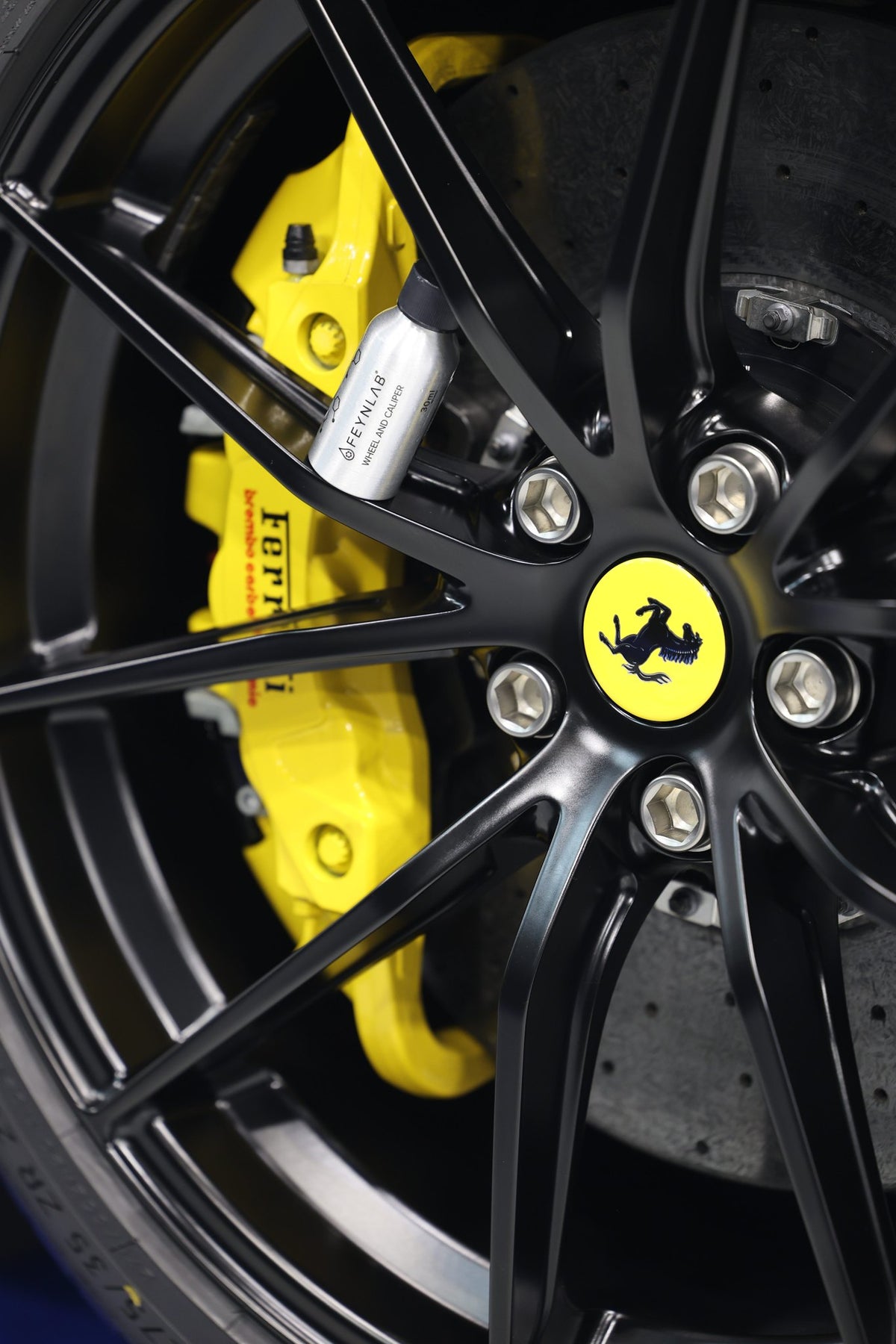
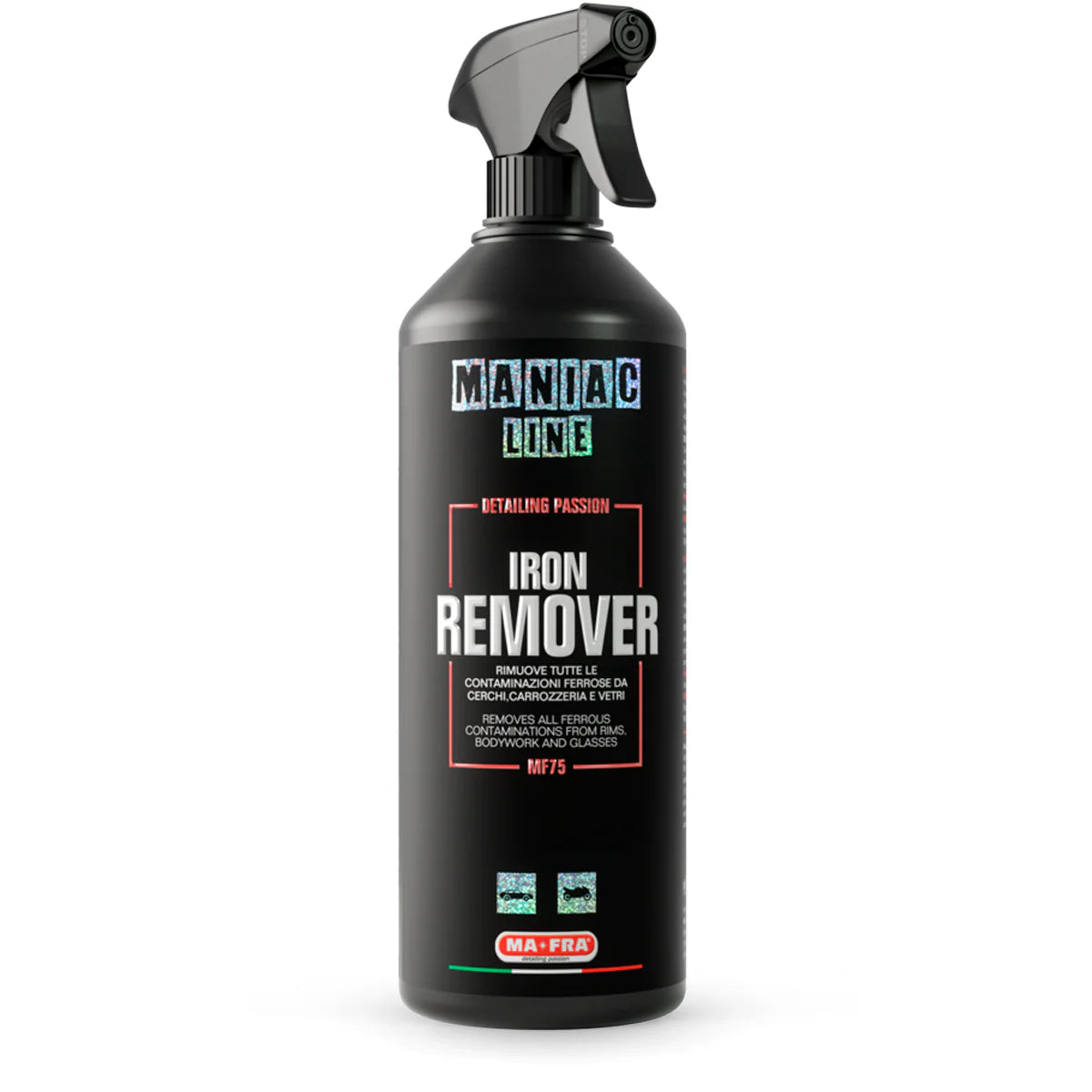
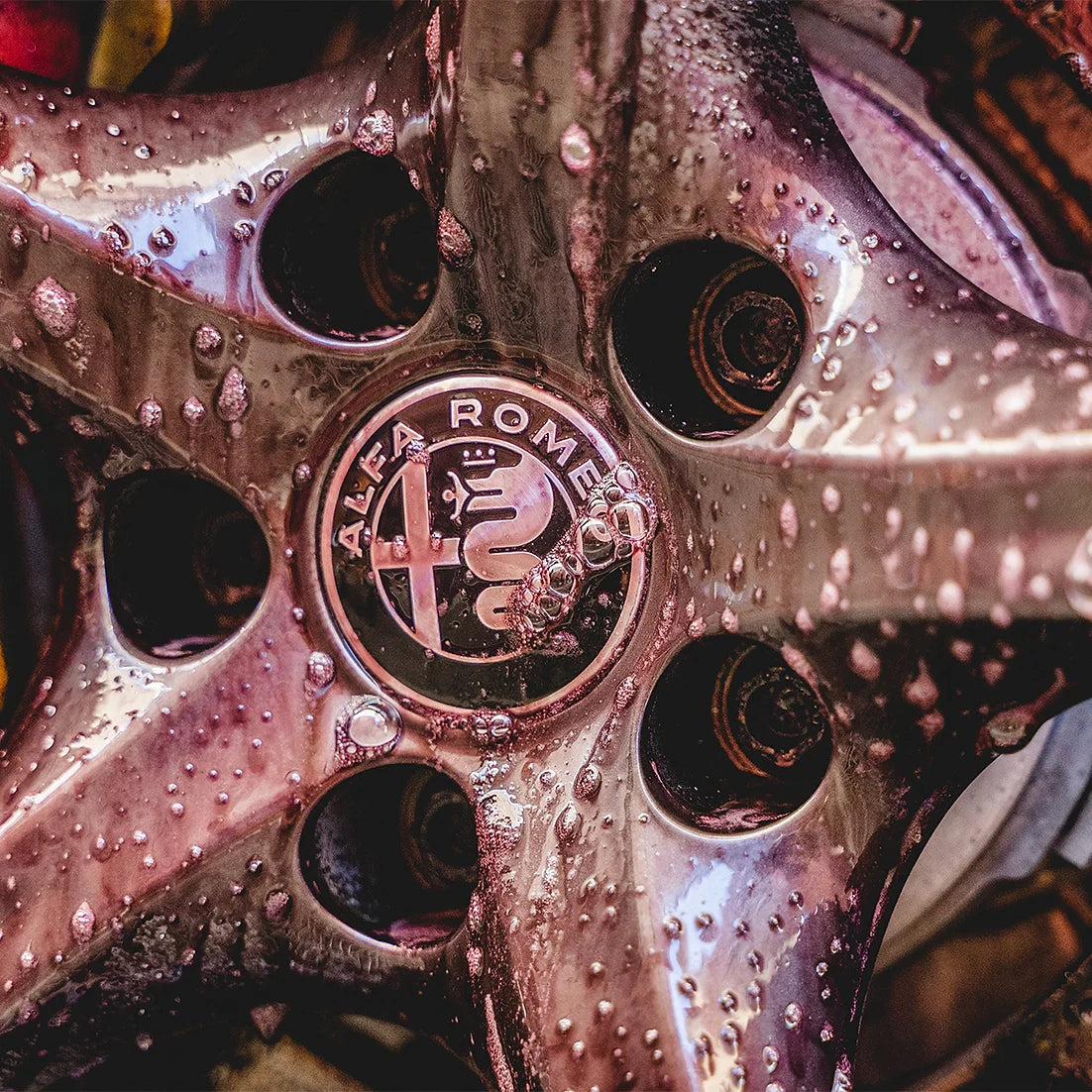
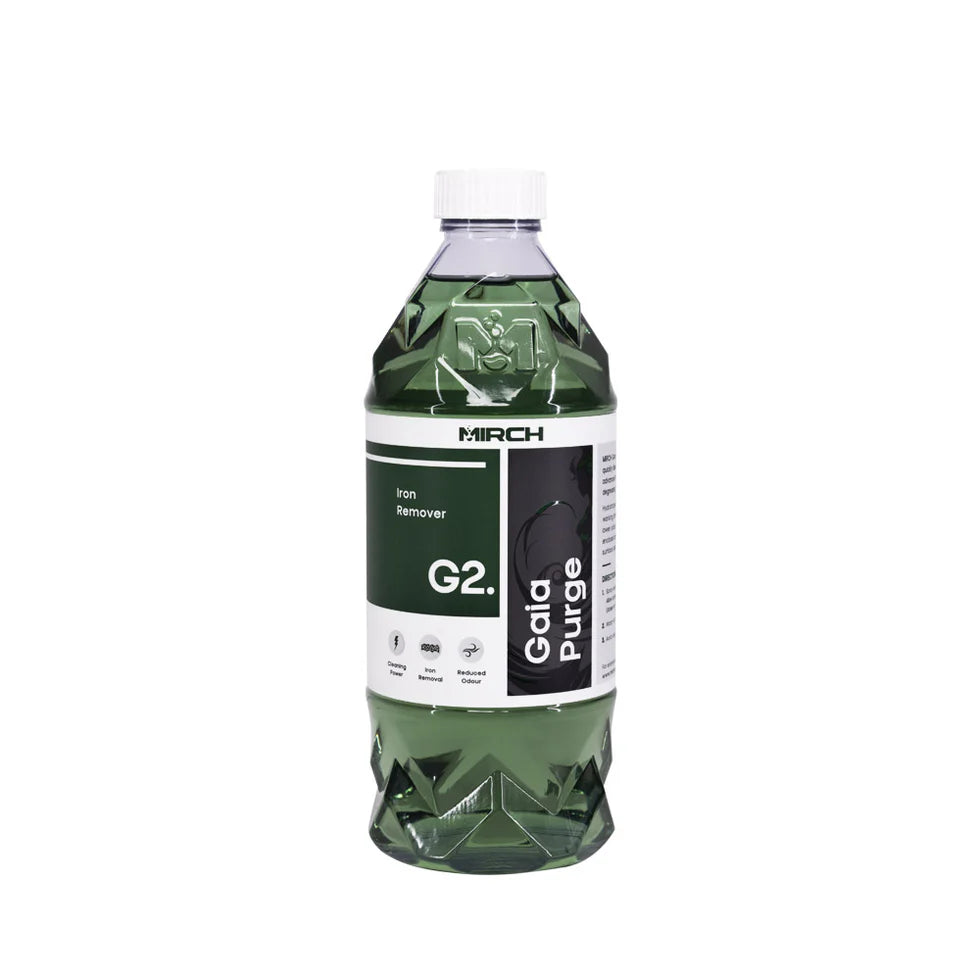
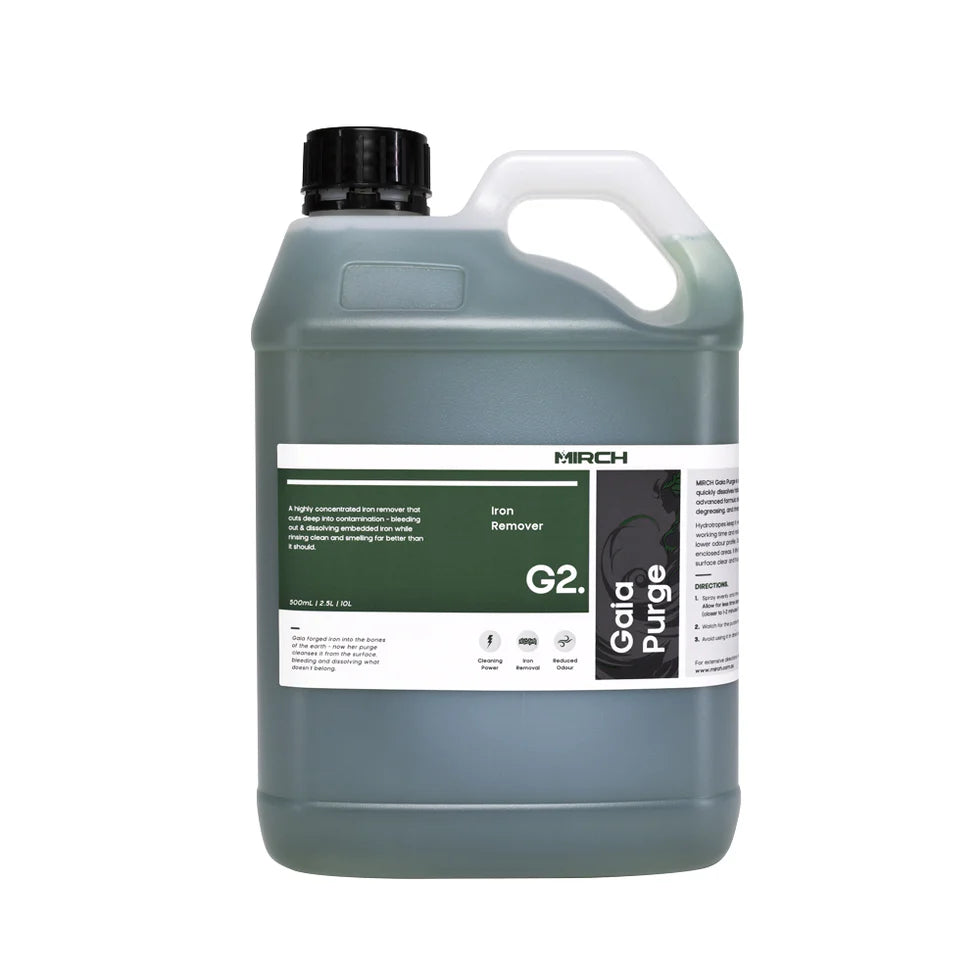
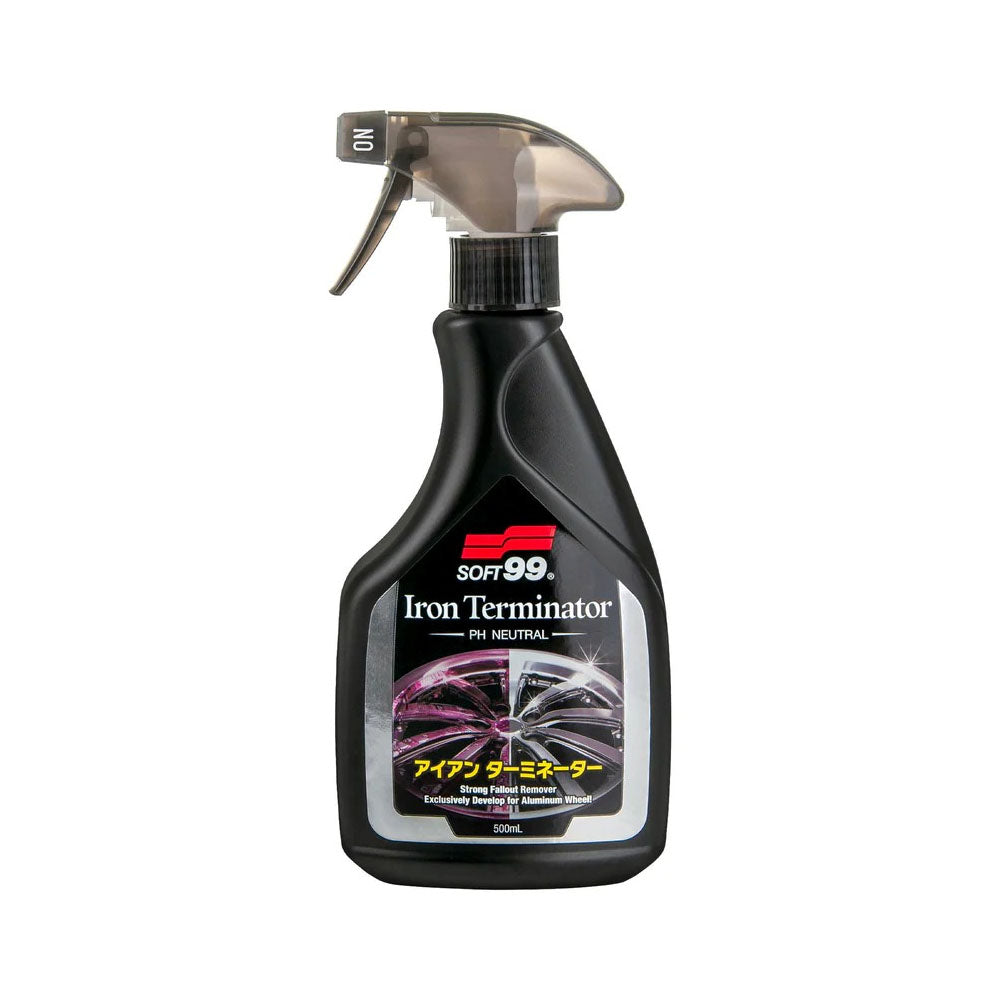
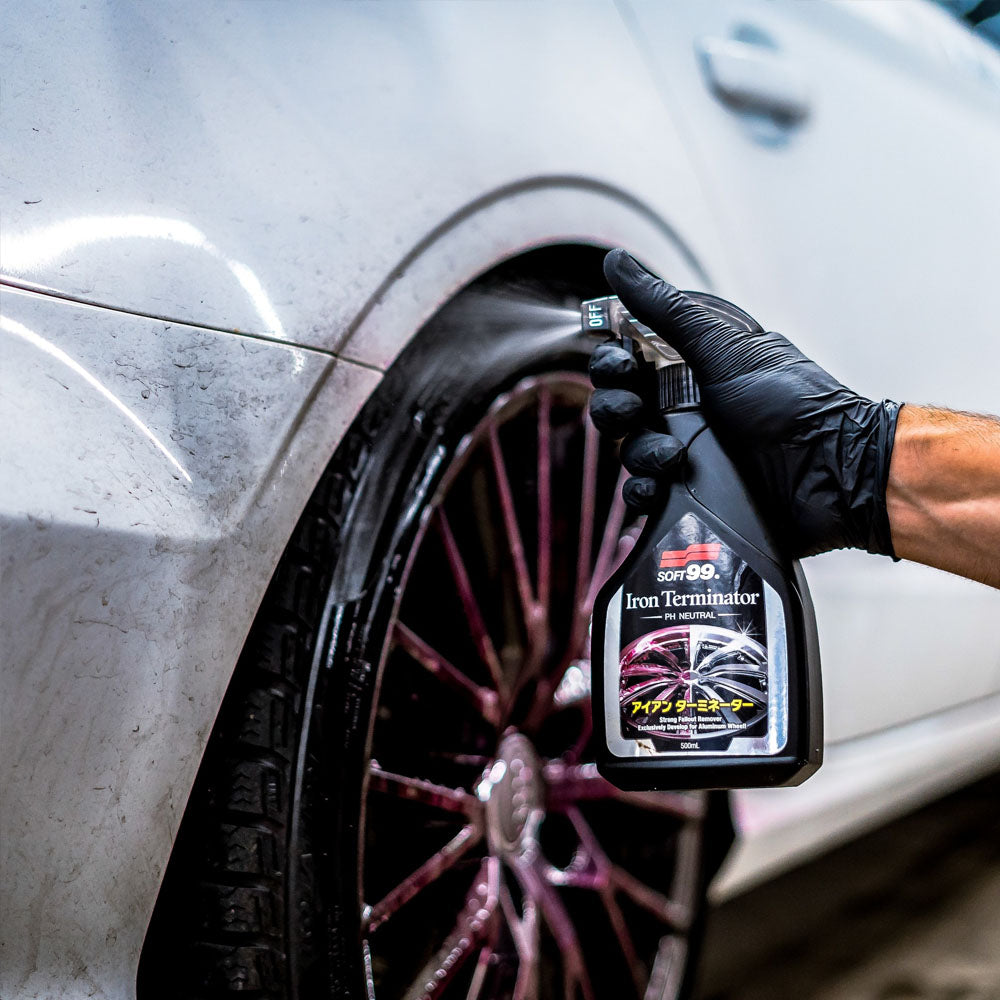
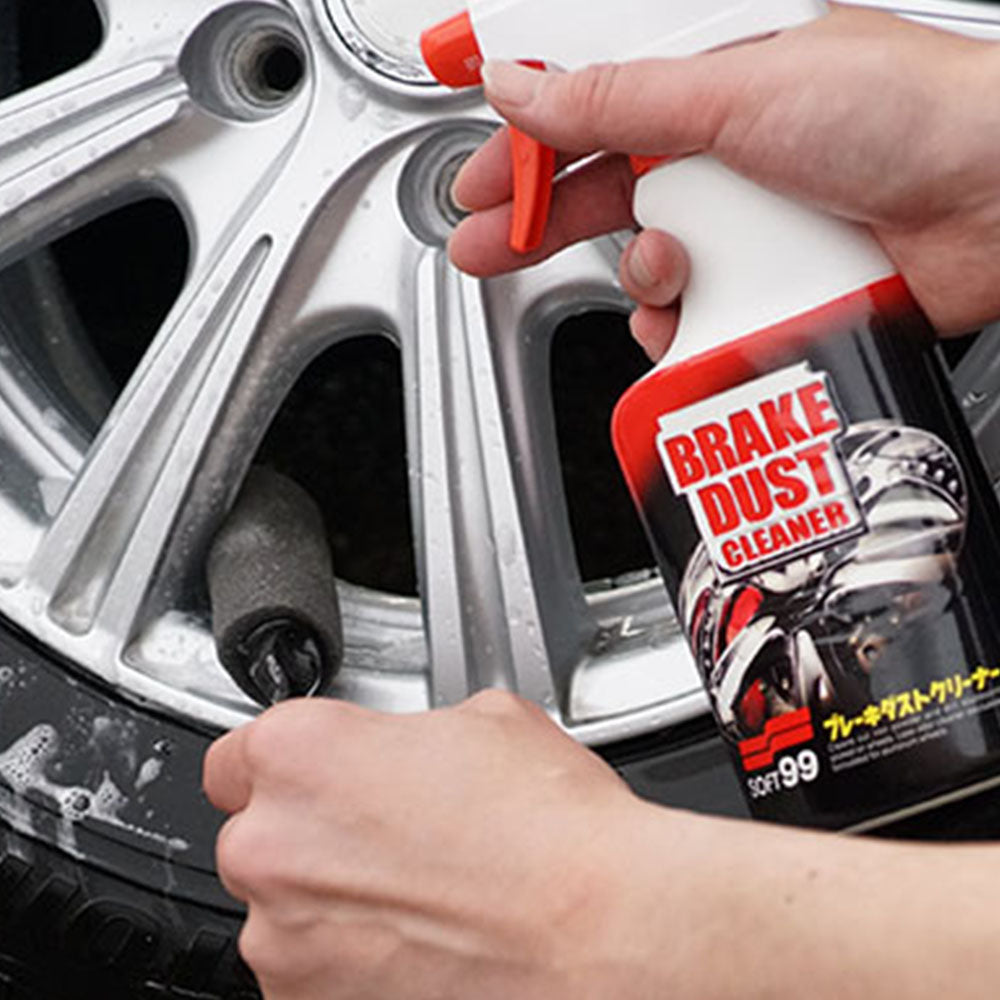
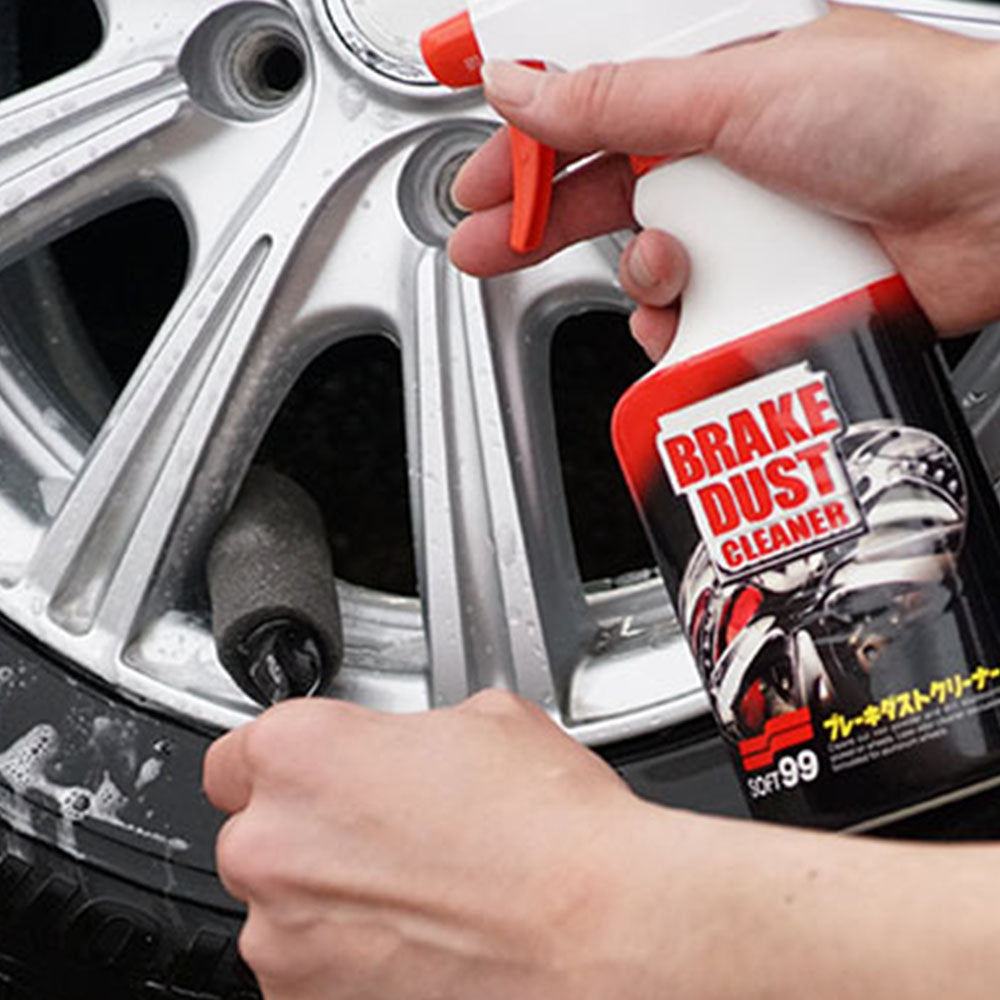
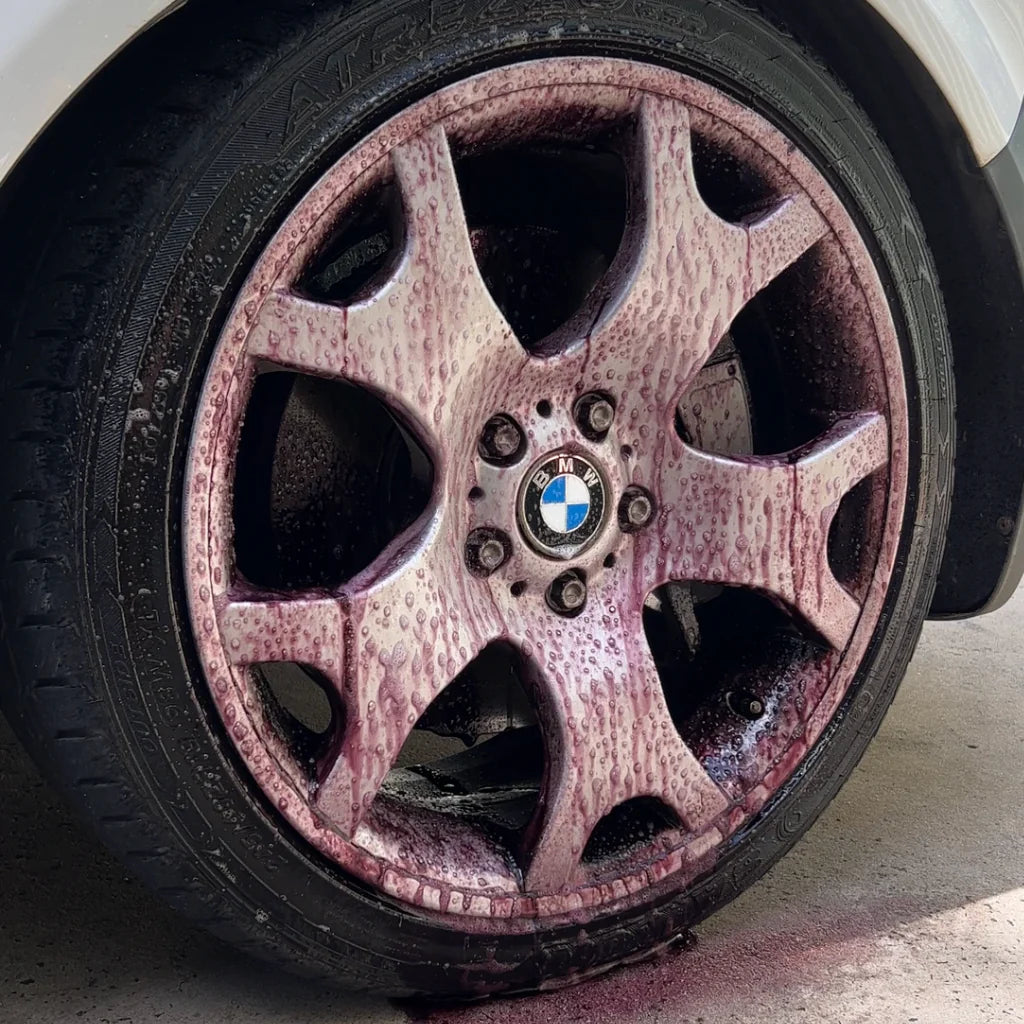
Brake dust isn't ordinary dirt — it's hot ferrous particles that embed themselves in paint and wheel finishes, then oxidise in place. No shampoo removes them, because they're chemically bonded to the surface. Dedicated iron removers dissolve the embedded particles with iron-specific actives, changing colour (that dramatic purple “bleed”) as they react — so you can literally watch the contamination release. It's the decontamination stage that makes the difference before polishing, coating or PPF, and it's the safe alternative to the harsh acids that quietly etch wheels and paint.
Go deeper: a chemist's guide to brake dust, tyre browning and iron fallout, and the acid-or-alkaline decontamination chart every detailer should follow.