

Labocosmetica SIDERO | Iron & Limescale Remover | Color-Changing Gel, Low-Odour
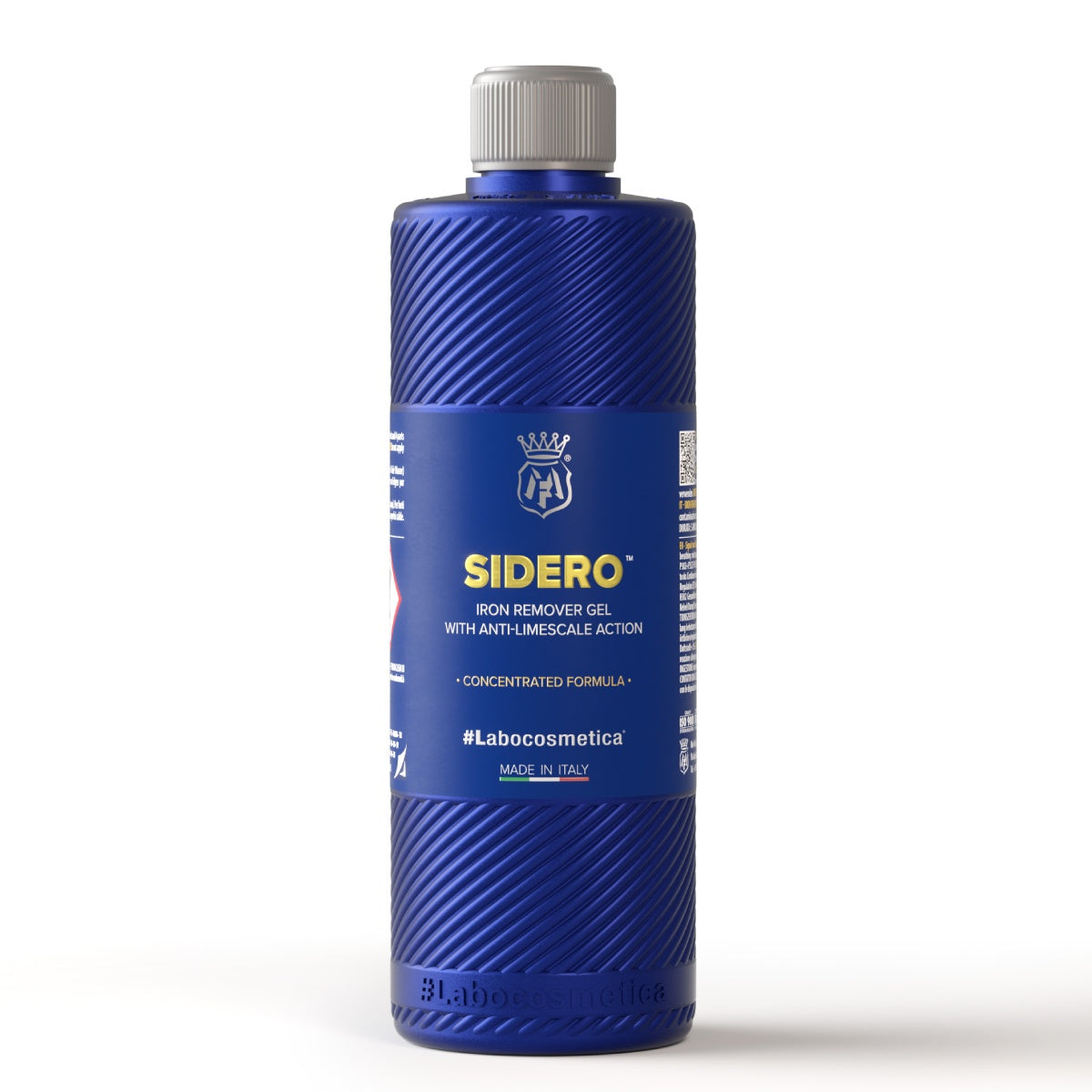
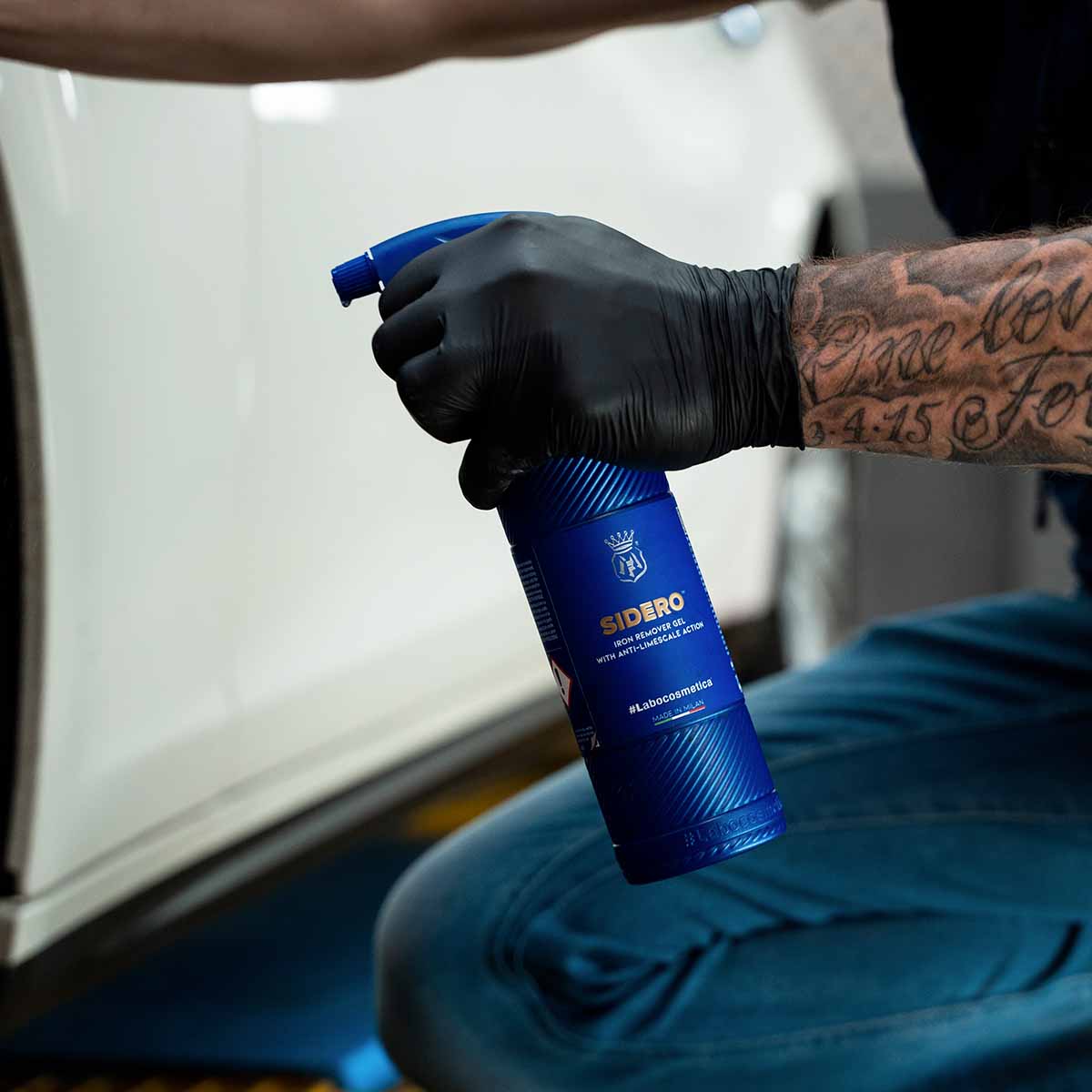
Labocosmetica SIDERO — iron and limescale remover gel
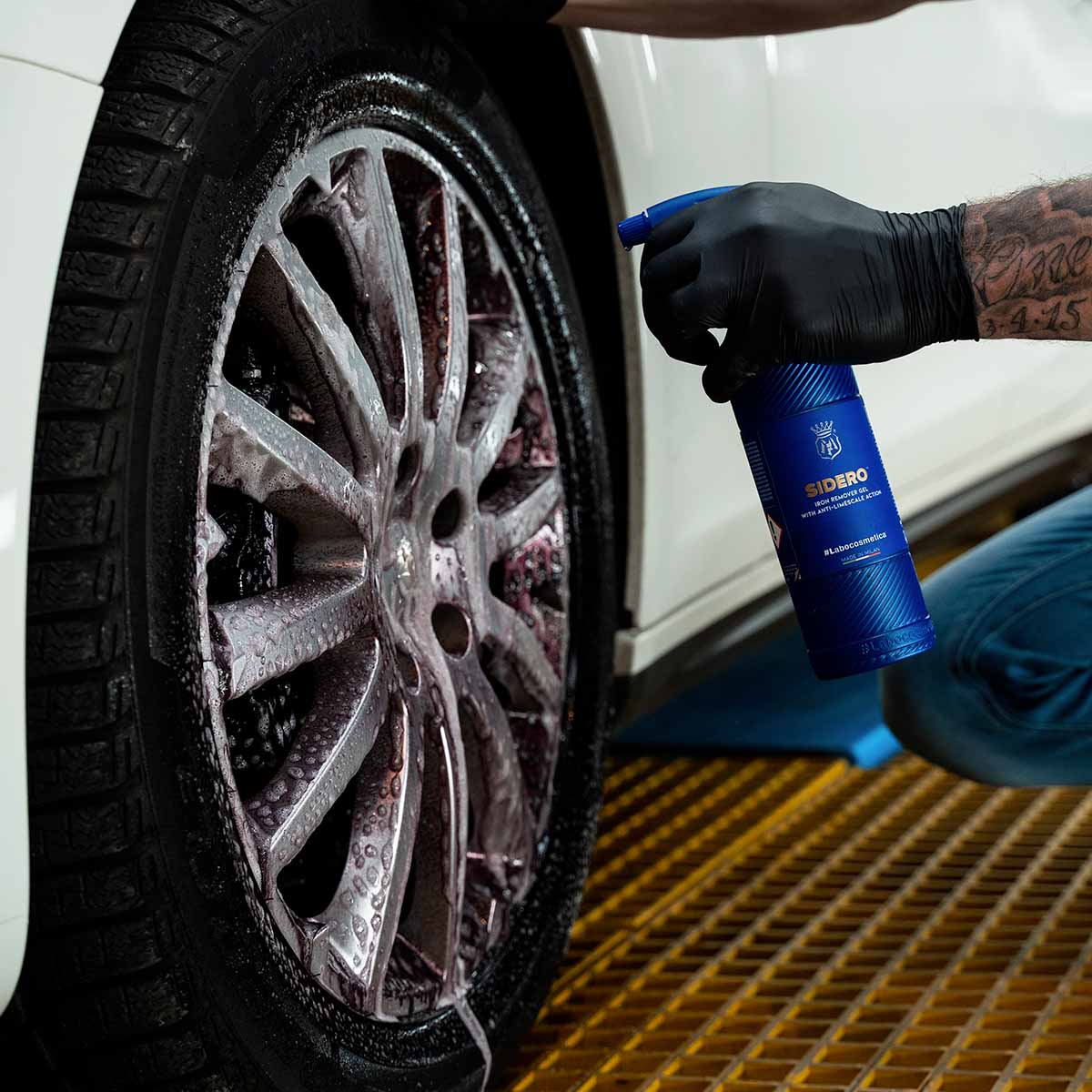
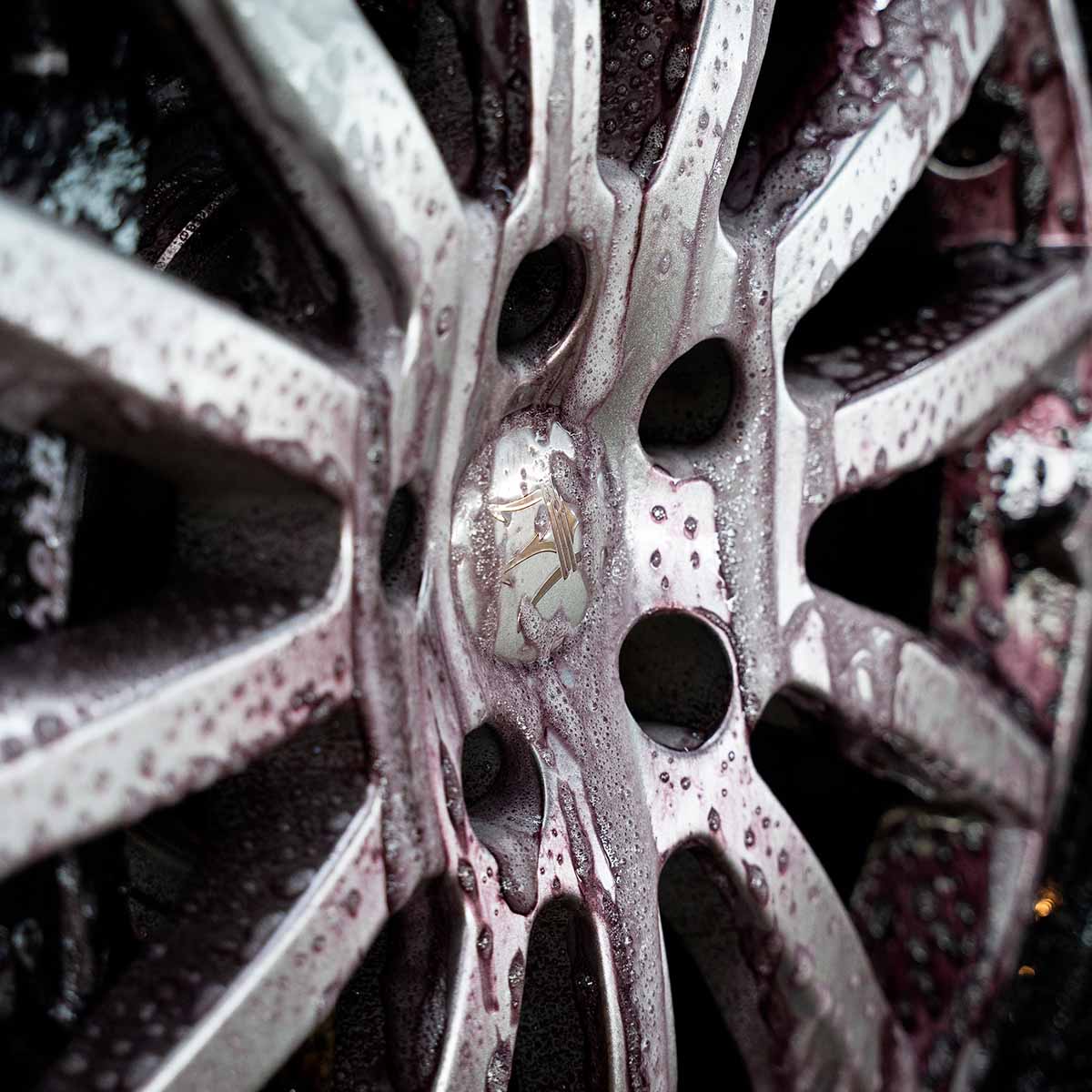
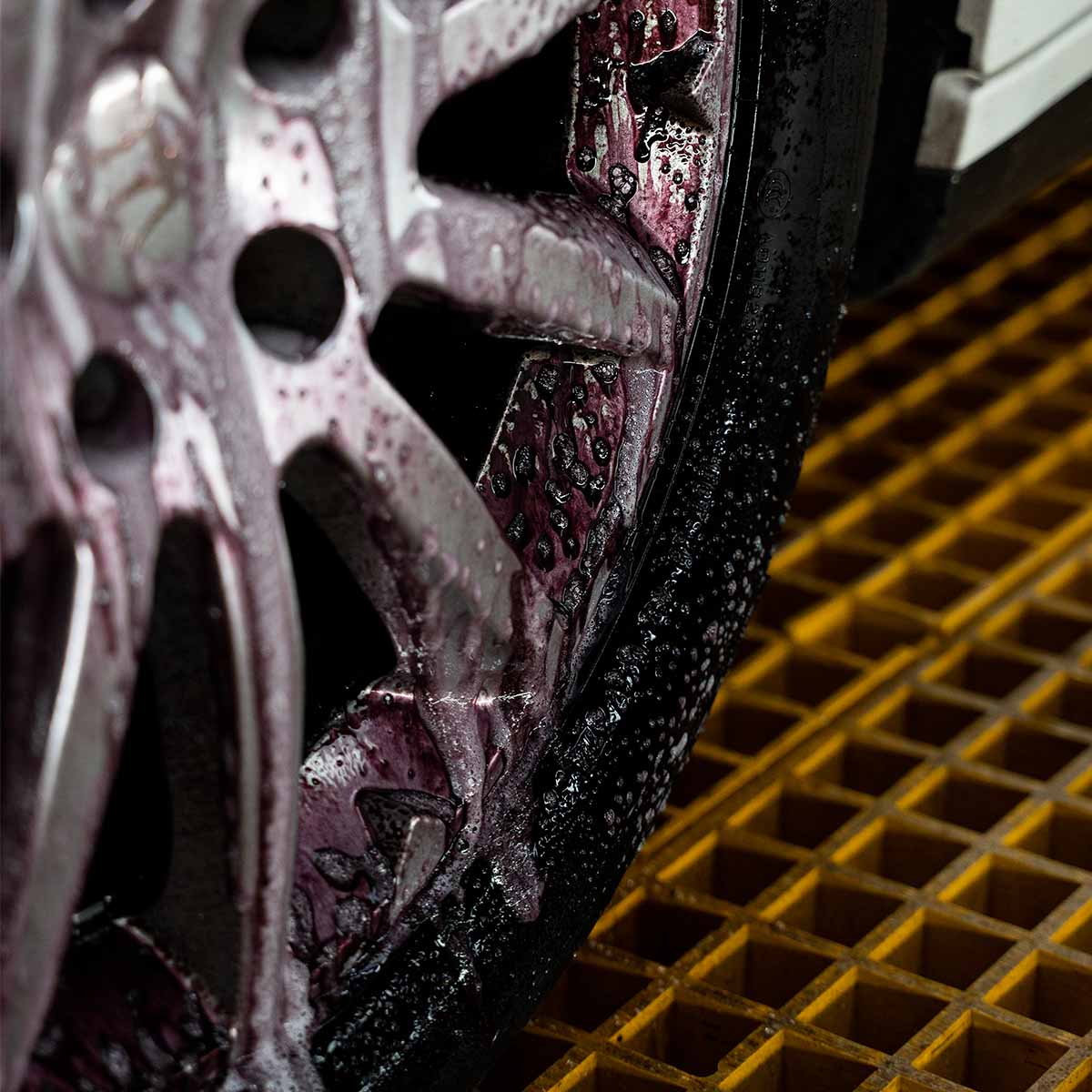
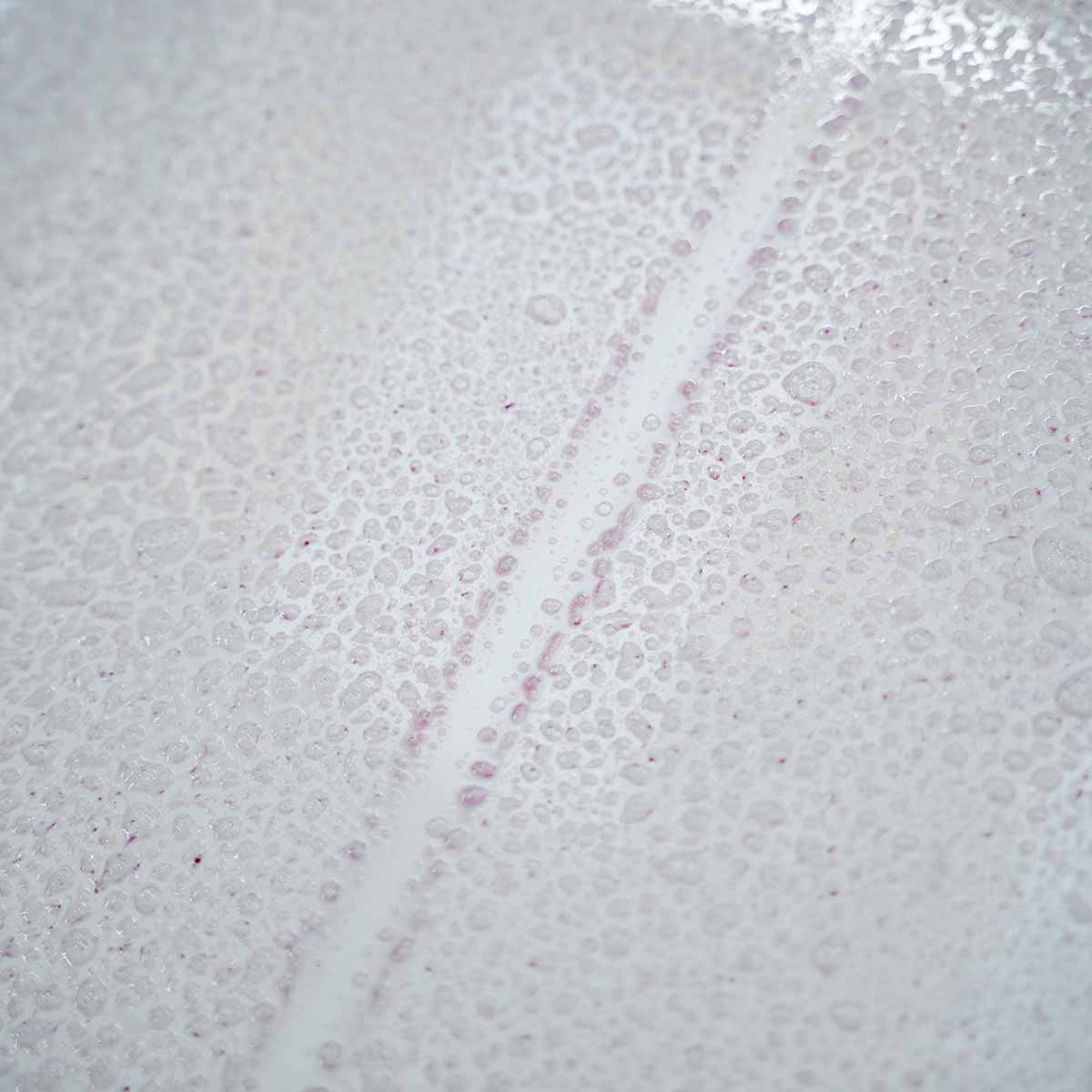
Sidero is the iron remover that's actually pleasant to use indoors. It strips ferrous fallout and bonded minerals from paint, wheels and glass, but skips the eye-watering sulphur stench of most iron removers — so you can decon in an enclosed studio without clearing the room. The colour-change tells you it's working: it shifts purple as it dissolves iron, then toward dark green-bronze as it pulls calcium, so you can see the decontamination happen.
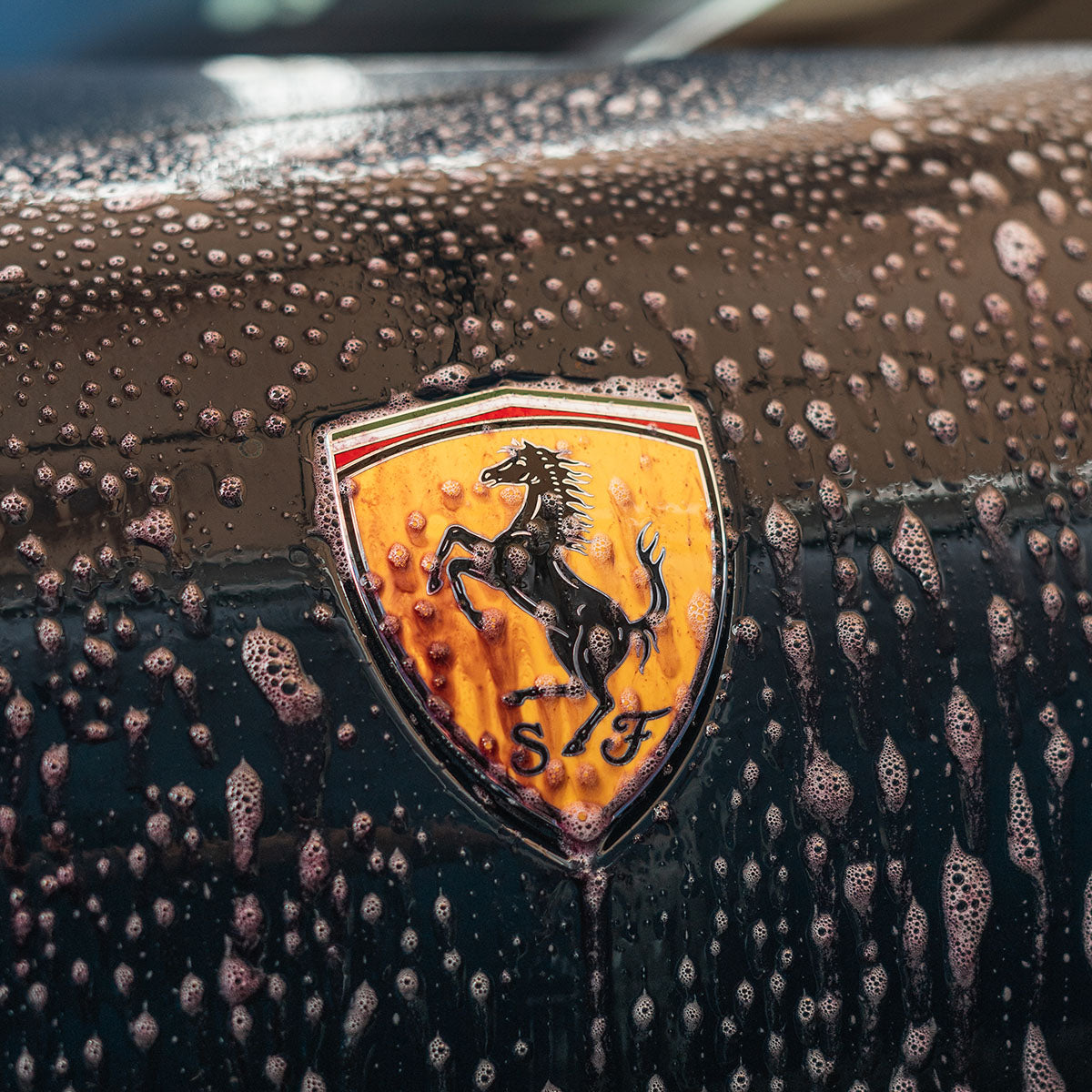
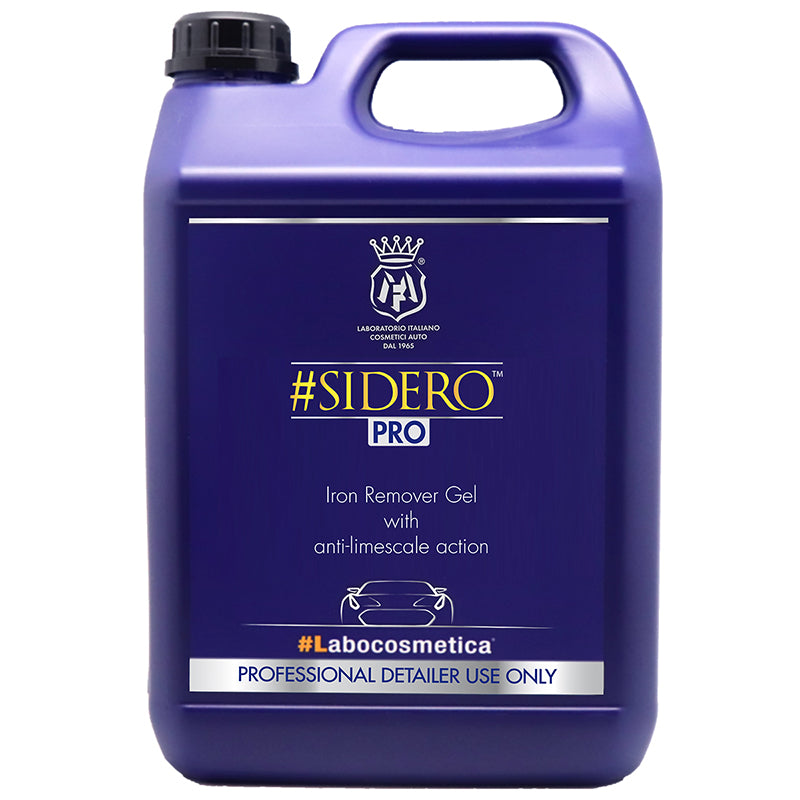
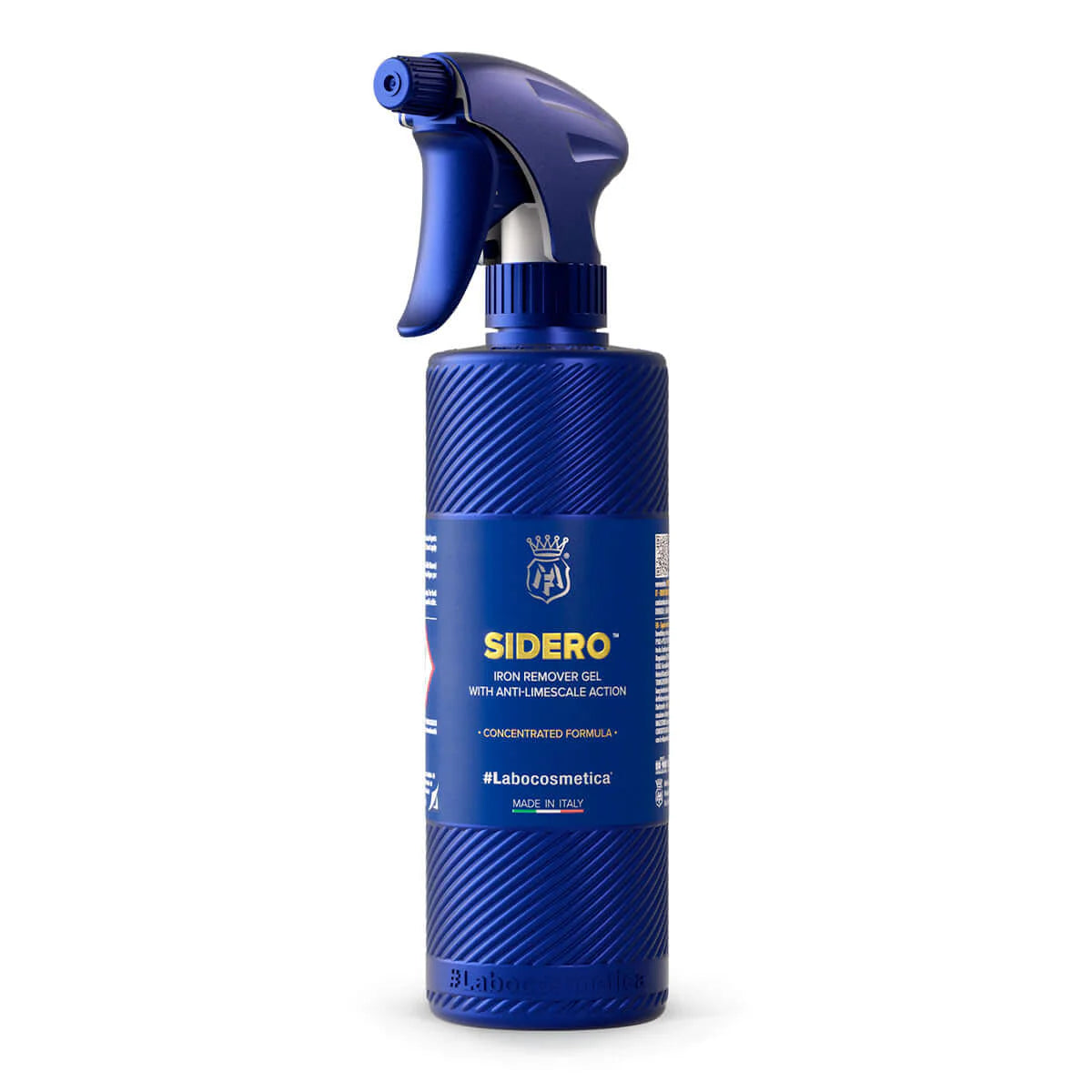
It's a highly concentrated, slow-drying gel built on F.R.G. (Fluid Reverse in Gel) technology — a non-Newtonian fluid whose viscosity changes with the force applied, so it sprays easily and then clings to vertical surfaces for even coverage without dripping. Heavily lubricated for safe brush-agitation on painted wheels, safe across bodywork, bumpers, plastics and glass, and it restores the beading on coatings you've already laid down. Available in 500 ml and 4.5 L.
Sidero dilution ratios
Ratios are Sidero to water. It is sold as a concentrate — most jobs do not need it neat.
| Use | Ratio | In a 500 ml spray bottle |
|---|---|---|
| Heavy contamination — wheels, arches, a car that has never been decontaminated | Neat | 500 ml Sidero |
| Standard decontamination — paint, glass, maintained wheels | 1:4 | 100 ml Sidero + 400 ml water |
1:4 is the maximum dilution Labocosmetica specifies — do not go weaker. A 500 ml bottle at 1:4 makes 2.5 L of working solution. Every ratio for every Labocosmetica product is on our dilution ratio cheat sheet.
How to use Sidero
- Wash the car first — Sidero is a decontamination step, not a cleaner. Run it after the 3pH wash on a cool, rinsed panel.
- Shake well. Spray evenly onto the paint, glass or wheel and leave it to work.
- Watch the colour: purple as it dissolves iron, dark green-bronze as it lifts calcium and limescale. A few minutes is usually enough.
- On wheels, agitate with a soft wheel brush — the gel is lubricated enough to do this safely on painted rims.
- Rinse thoroughly with plenty of water. Repeat on heavily contaminated areas. Never let it dry on.
- Check the surface. If it still feels gritty, the remaining contamination is bonded and needs clay — Lubrifica and a clay bar.
Avoid bare, untreated metal. Slow-drying, so it can be used in direct sunlight when there is no choice — we still prefer shade.
Key features
- Low-odour. None of the sulphur smell of traditional iron removers — genuinely usable indoors.
- Dual decon, visible. Removes both iron and limescale, colour-shifting purple → green-bronze so you can see the reaction.
- F.R.G. gel. Clings to verticals for even, drip-free coverage; highly lubricated for safe brush work on wheels.
- Surface-safe. Bodywork, bumpers, plastics and glass — and it revives the beading on existing coatings.
- Concentrated. 1:4 for standard work; neat only when the contamination is heavy.
Sidero — questions we get asked in the studio
How often should I use an iron remover?
Every few months on paint, more often on wheels, and any time the paint feels gritty after a wash — that grit is bonded iron and mineral, not dirt. On our customer cars it runs as part of the periodic decontamination wash, after Prìmus and Purìfica and before any clay or polish.
Sidero or Purìfica — which one do I need?
Different contamination. Purìfica is the acid shampoo that dissolves the mineral film — limescale, water spots, calcium — across the whole car at the wash stage. Sidero is the dedicated, direct-spray step for bonded iron particles: brake dust on wheels, rail and industrial fallout on paint. A proper decontamination uses both.
Does the purple colour tell me how much iron came off?
No. The colour change tells you the reaction has happened, not how much there was — a light purple on a clean car and a deep purple on a filthy wheel are both the reaction completing. Treat it as a timer, not a gauge.
Can I use Sidero on a ceramic-coated car?
Yes. It is safe on coated bodywork and, because it strips the iron and mineral haze sitting on top of the coating, water behaviour usually improves afterwards. Rinse thoroughly and do not let it dry on the panel.
Where can I buy Labocosmetica Sidero in Australia?
From Alpha Details — we stock the full Labocosmetica range, including Sidero in 500 ml and 4.5 L, at our Heidelberg West studio in Melbourne, with same or next business day dispatch and shipping Australia-wide. We are Labocosmetica Australia accredited applicators and trainers; if you are not sure which product or ratio your car needs, call 0407 191 223.
SDS (Safety Data Sheet)
Download the Safety Data Sheet (SDS) for SIDERO here
Doing wheels? Your discs will flash-rust after this
Iron removers read pH neutral in the bottle but turn acidic as they react with fallout — binding dissolved iron releases hydrogen ions — and acid-exposed cast iron rusts within minutes of the rinse. Alkaline cleaners barely touch rotors; acids wake them up. Finish the wheel with Hyde's Serum Rustopper sprayed on the wet rotor and keep the orange dust off your clean wheels.
Frequently asked questions
Is Sidero safe on paint, ceramic coatings and painted wheels?
Yes. Sidero is safe on bodywork, bumpers, plastics and glass, and it is heavily lubricated so you can brush-agitate painted rims without marring the surface. It also revives water beading on existing ceramic coatings rather than stripping them.
Why does Sidero change colour while it works?
The colour shift is the decontamination happening in front of you. Sidero turns purple as it dissolves ferrous (iron) fallout, then moves toward a dark green-bronze as it pulls calcium and limescale — a dual decon you can see, so you know when it has finished reacting.
Does Sidero have the strong sulphur smell of other iron removers?
No. Sidero is a low-odour formula without the eye-watering sulphur stench typical of iron removers, so it is genuinely usable indoors or in an enclosed studio. It is built on F.R.G. (Fluid Reverse in Gel) technology — a slow-drying gel that clings to vertical panels for even, drip-free coverage.
What dilution should I use for Sidero?
Use it pure for heavy contamination, or dilute up to a maximum of 1:4 for lighter work. Shake well, spray on, let it dwell a few minutes until the colour change develops, then rinse thoroughly. It is slow-drying, so it can also be used safely in direct sunlight.