
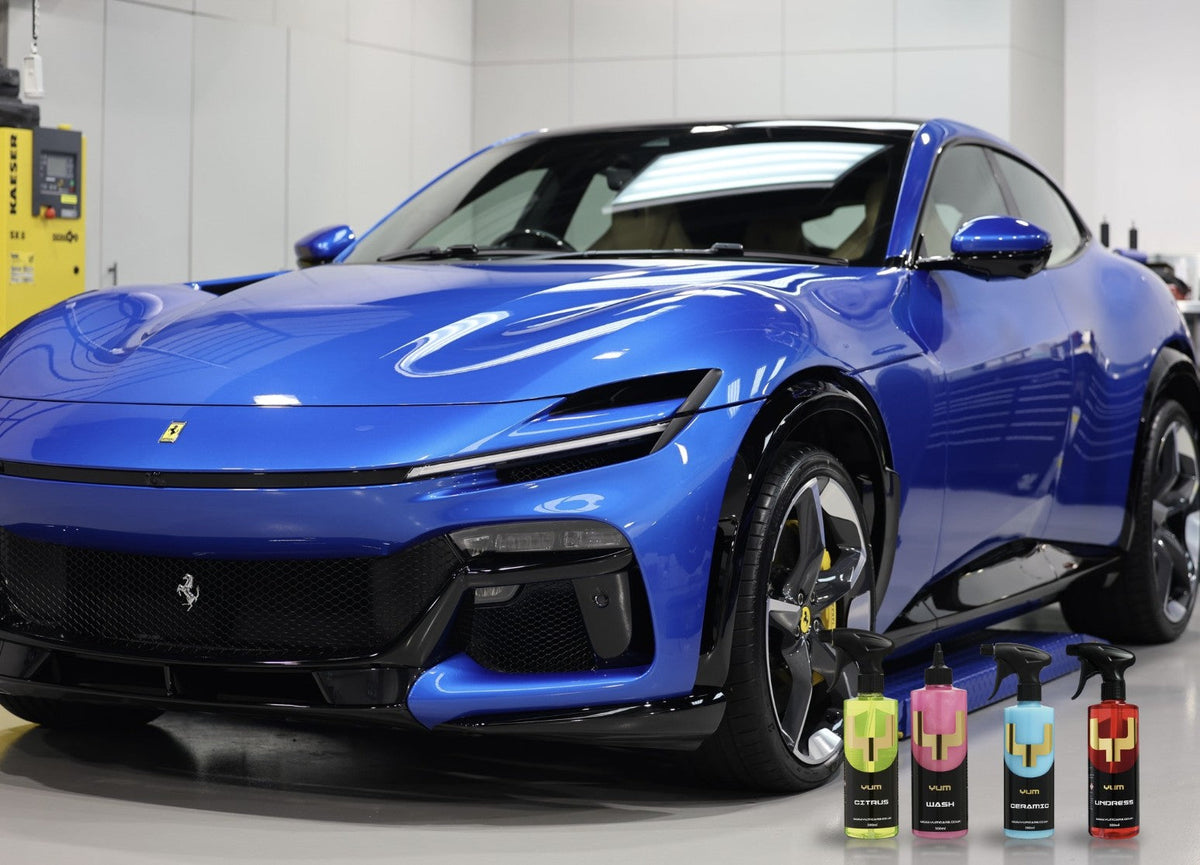
Every YumCars Order Ships With Our Printed Dilution Guide
Every YumCars order from Alpha Details ships with our printed dilution guide: millilitres first, ratios in brackets, Yum's own figures. Plus walk-in product testing on our studio panels and in-hous...
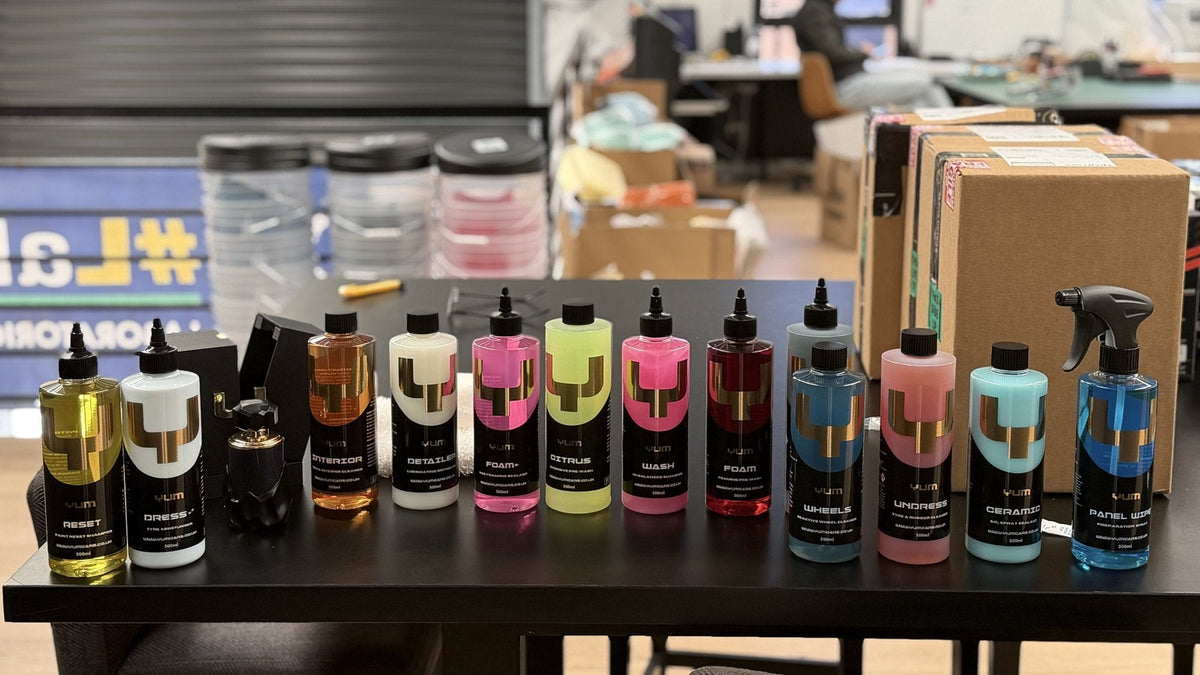
Why We Added Yum Cars to Our Shelf: A Chemist's Take on the Range
Why a chemistry-first detailing store in Melbourne added Yum Cars: the founders' story, what the safety data sheets showed, the range in order of use, a 3pH wash system and the Serum ceramic coatings.
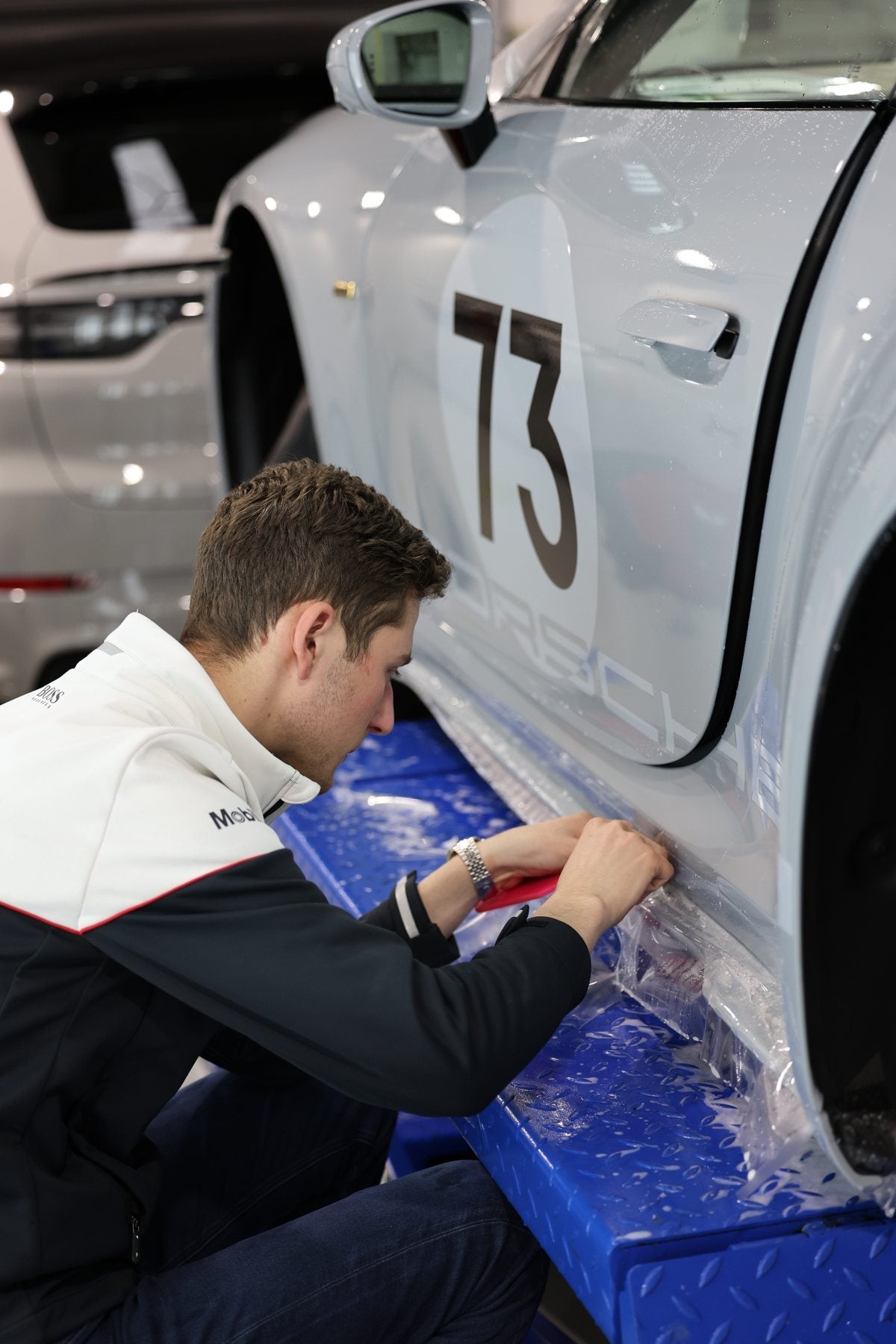
How to Care for Paint Protection Film
Film protects the paint. Nothing protects the film. The wash routine we run in our own studio — the Labocosmetica 2pH+ cycle, the dilutions off their data sheets, and why we don't clay or polish film.
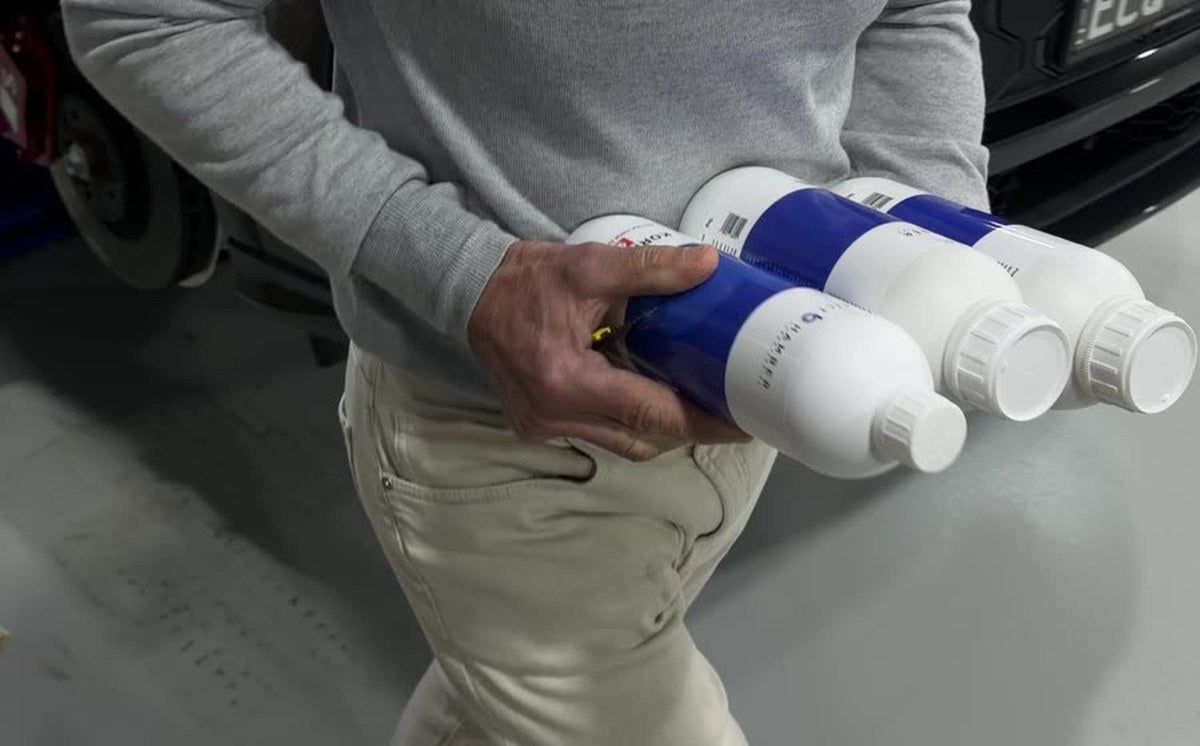
The Best Iron Remover in Australia? A Chemist Compares Nine
Nine iron fallout removers we stock, compared from their safety data sheets: thioglycolate chemistry, pH, concentration, odour, dwell and price, plus which one to use on paint, wheels or indoors.
Chelators, Solvents and How to Read a Safety Data Sheet
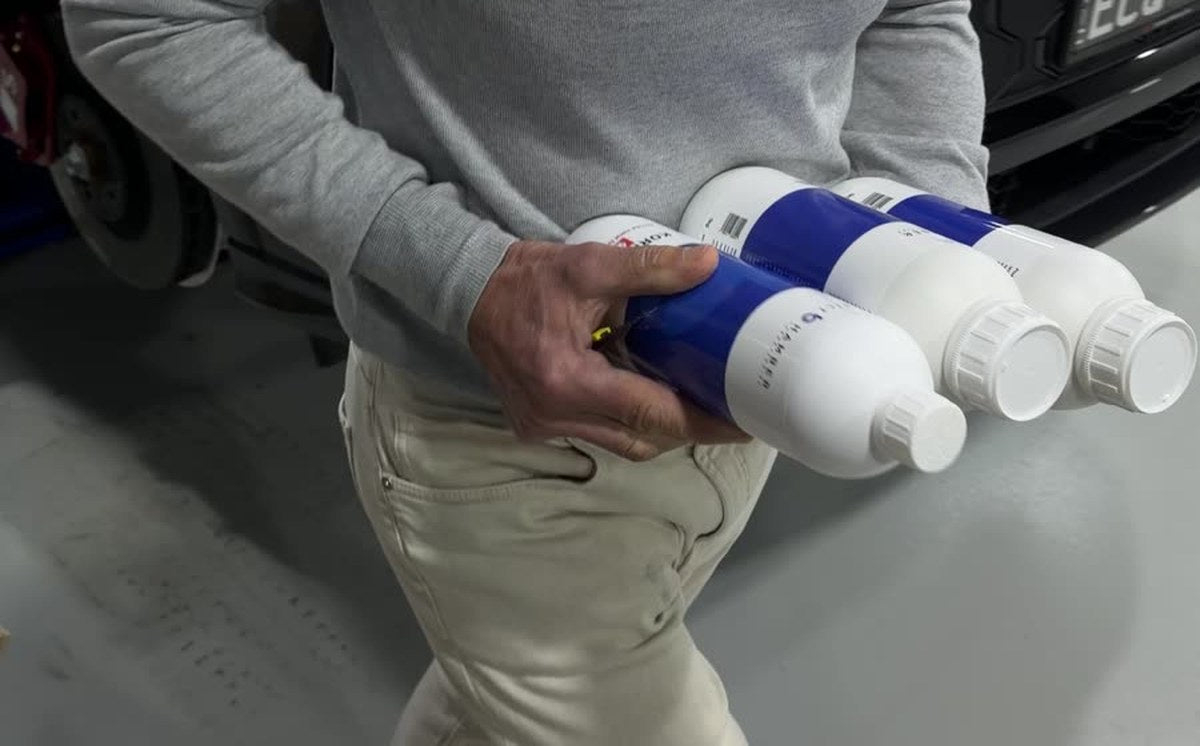
Nobody markets a chelator. There is no bottle on any shelf in Australia sold on the strength of its sequestrant package. And yet the chelator, the solvent and the builder are usually the differ...
Car Shampoo and Surfactant Chemistry: The Four Families, and the Beading Trick
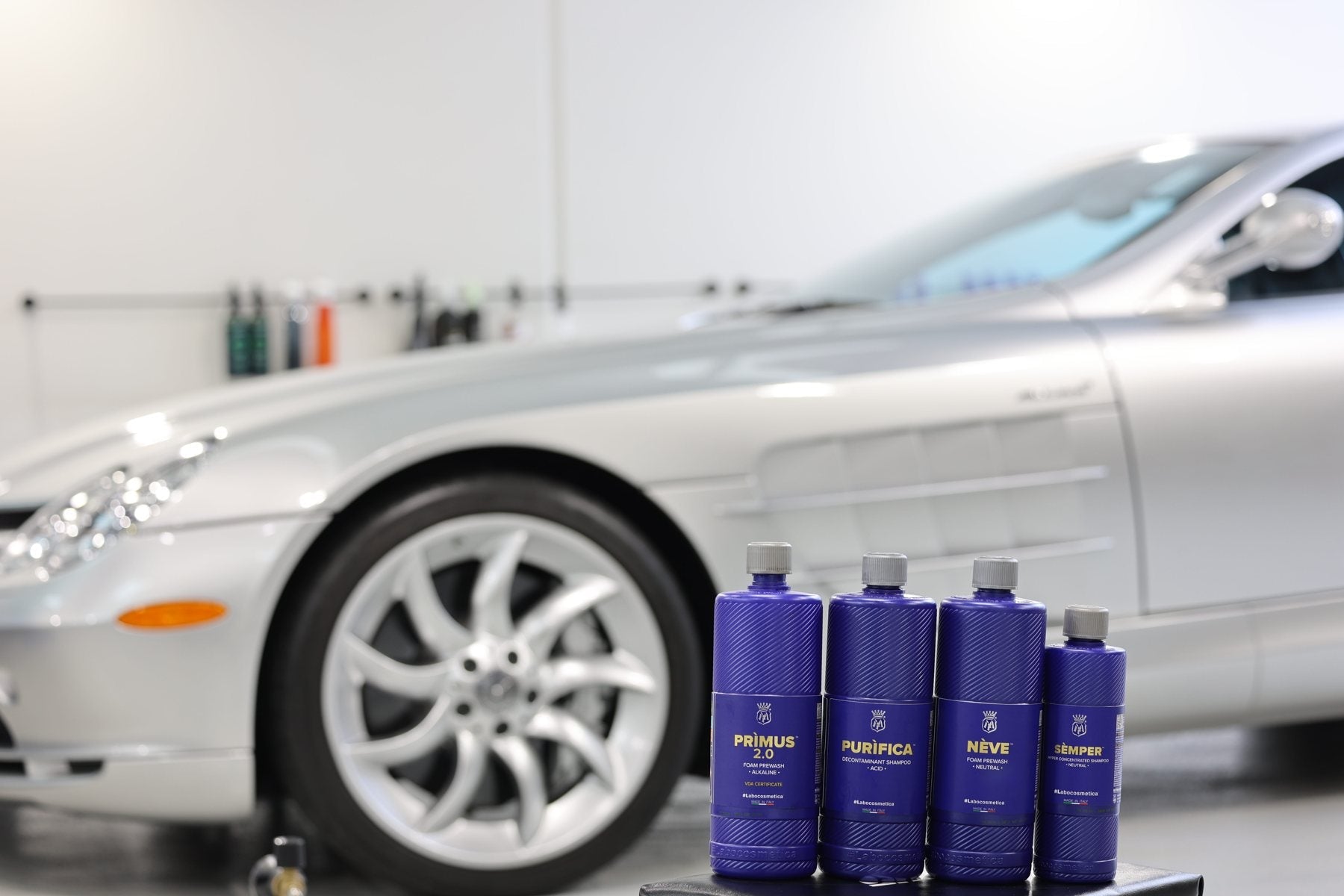
Every cleaning product on your shelf is built around surfactants — and the electrical charge on one end of that molecule predicts most of what the product will do to your car. Learn four famili...