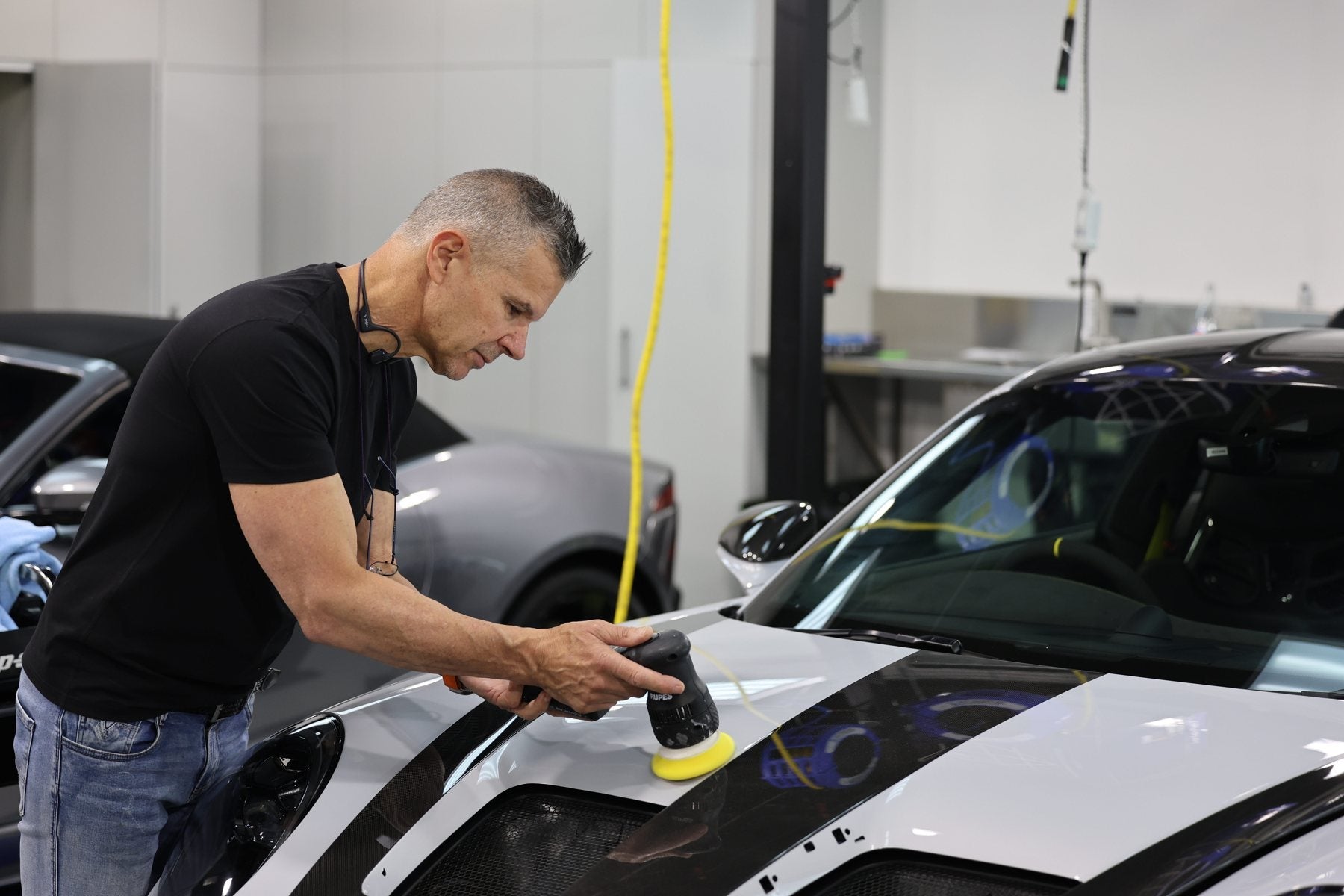
Polishing Compound Chemistry: Abrasives, Fillers, and the 8 Microns You Have to Spend
A polishing compound is a different kind of product to everything else in the cupboard. It is not lifting soil off a surface — it is abrading the surface itself. Once material is gone it is gon...
Glass is the one surface where "cleans well" is not enough. A glass cleaner has to remove the film and leave almost nothing behind, because any non-volatile residue becomes a smear the moment t...
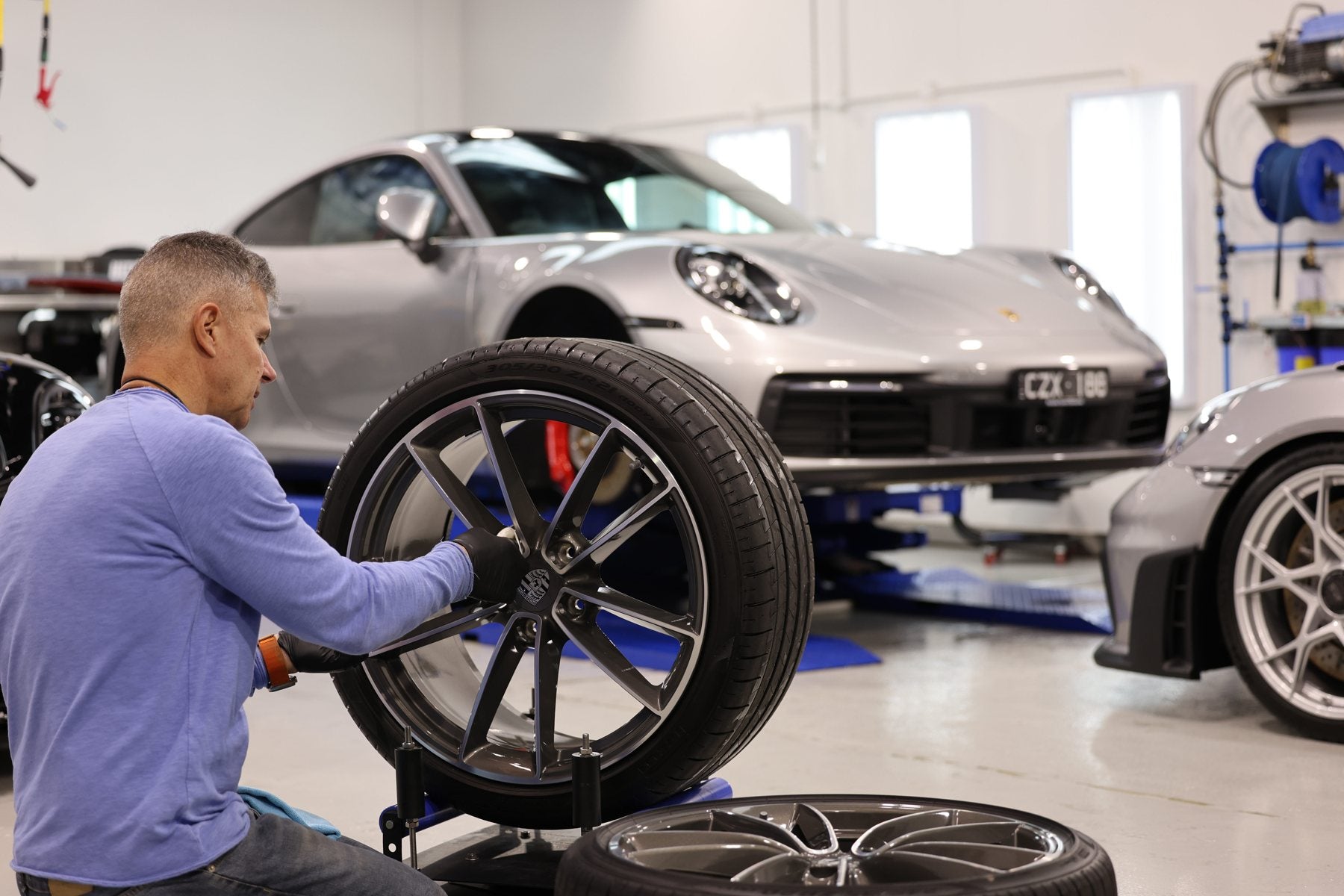
Wheel Cleaner and Iron Remover Chemistry: The Acids Ranked, and the One We'll Never Sell
Wheels are where ingredient choice stops being academic. Bare alloy, anodised finishes, painted calipers, clear-coated rims, steel fasteners and rubber all sit within reach of the same spray — ...
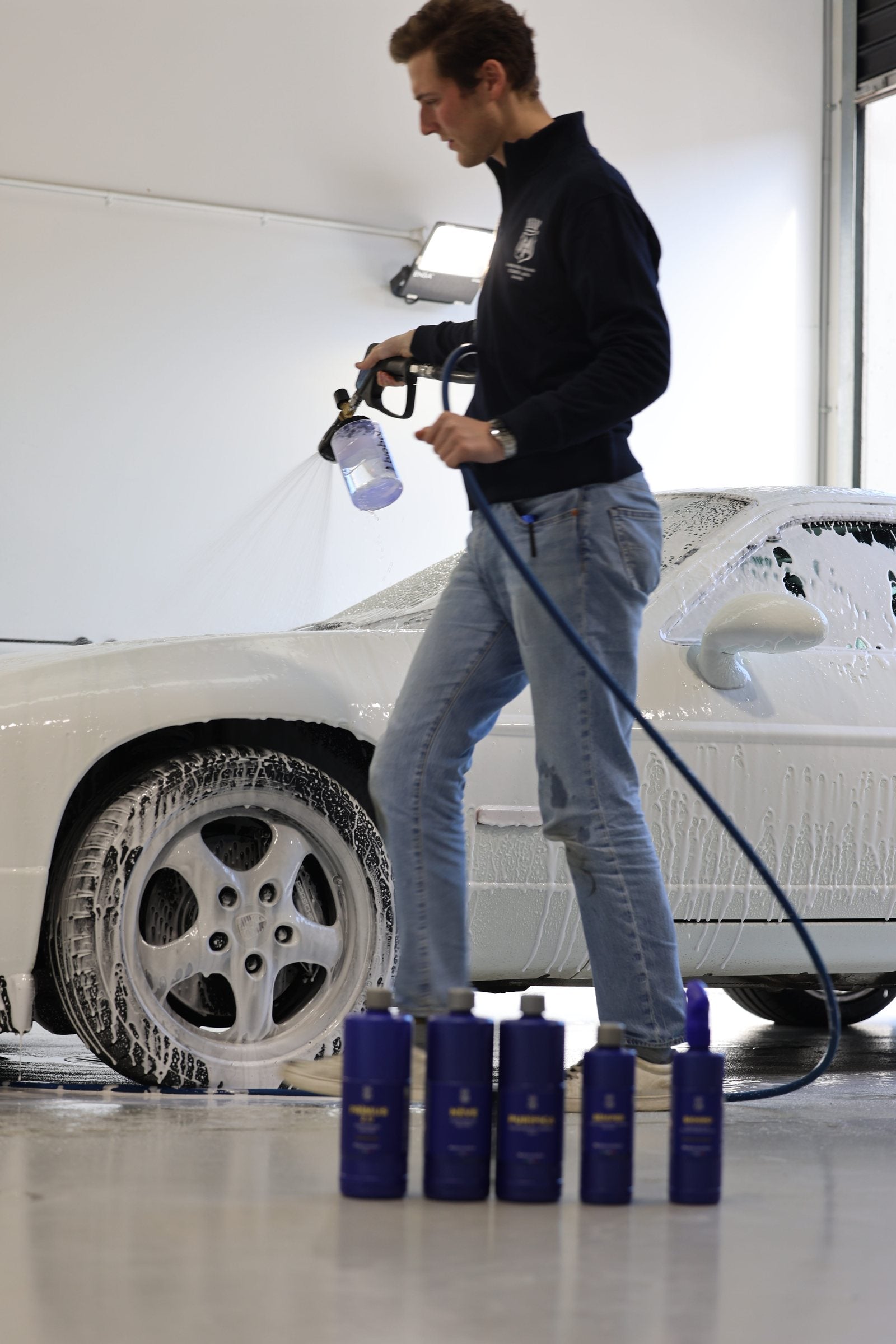
What's Actually In Your Snow Foam: The Pre-Wash Ingredients We Use and Avoid
A snow foam is judged on the wrong things almost universally. How thick it is, how long it clings, what pH is printed on the front. None of those tell you whether the product is safe on the whe...
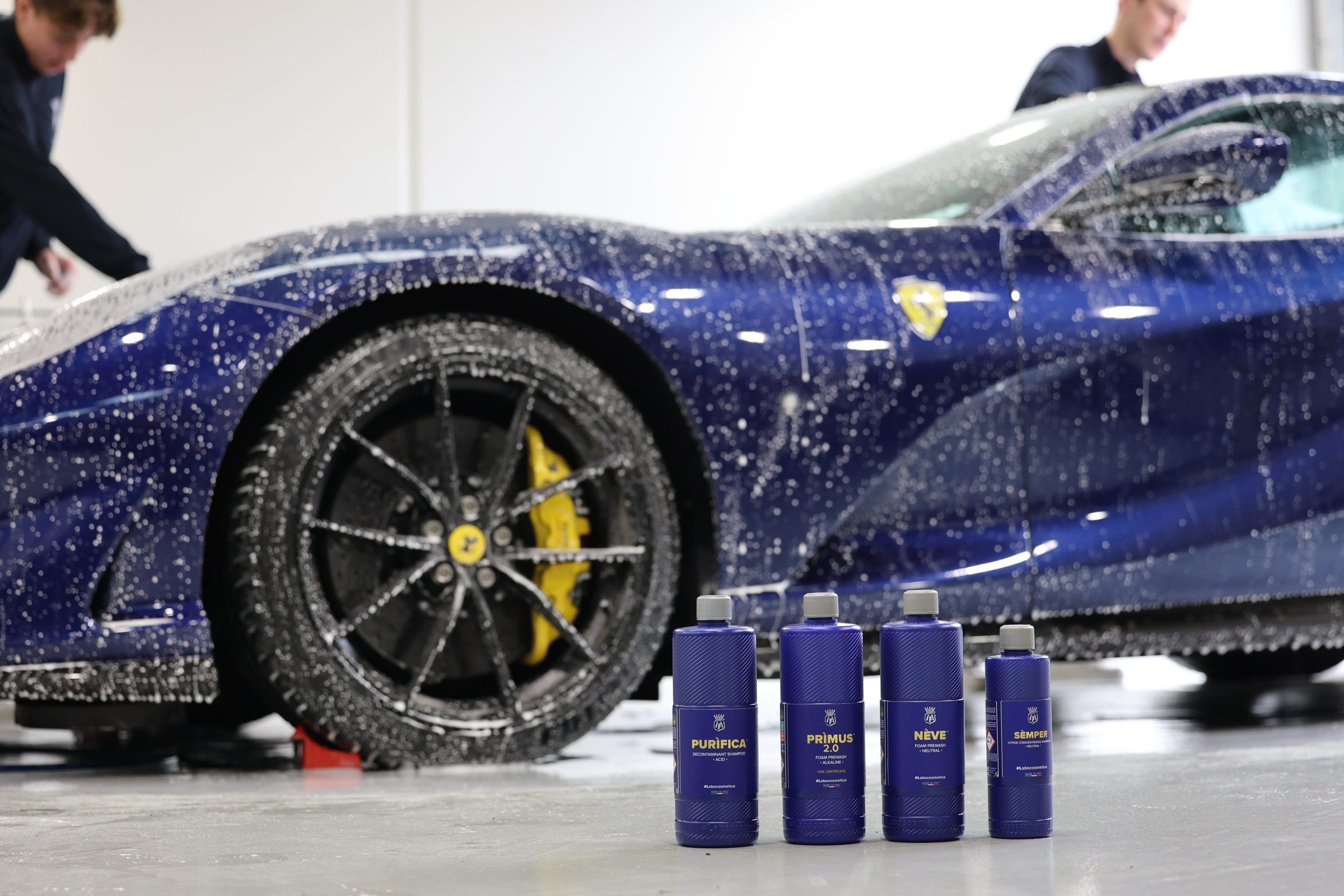
The Alpha Details Car Care Chemistry Handbook: What's Actually In The Bottle
Every bottle in this industry is sold to you on a number, a colour or a smell. pH 2. pH 12. Cherry. Purple. Almost none of it is sold to you on what is actually inside — which is the only thing...
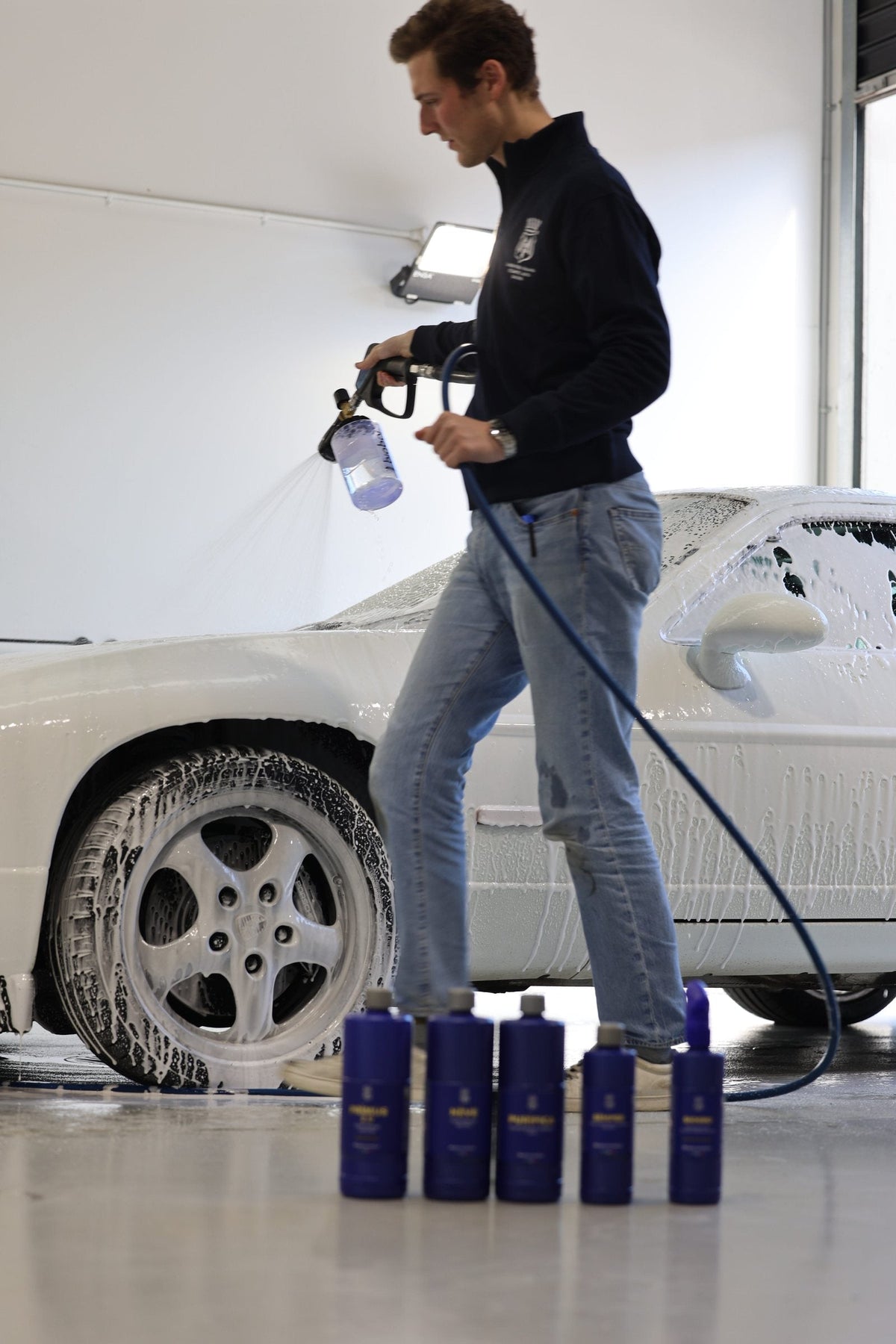
Foam Cannons Compared: The Number That Decides Whether Yours Will Foam At All
Two foam cannons on our shelf, compared on published specs and real cost — including what the MTM kit actually costs once you price the litre of Koch Chemie inside it. Plus the flow-rate minimum th...