
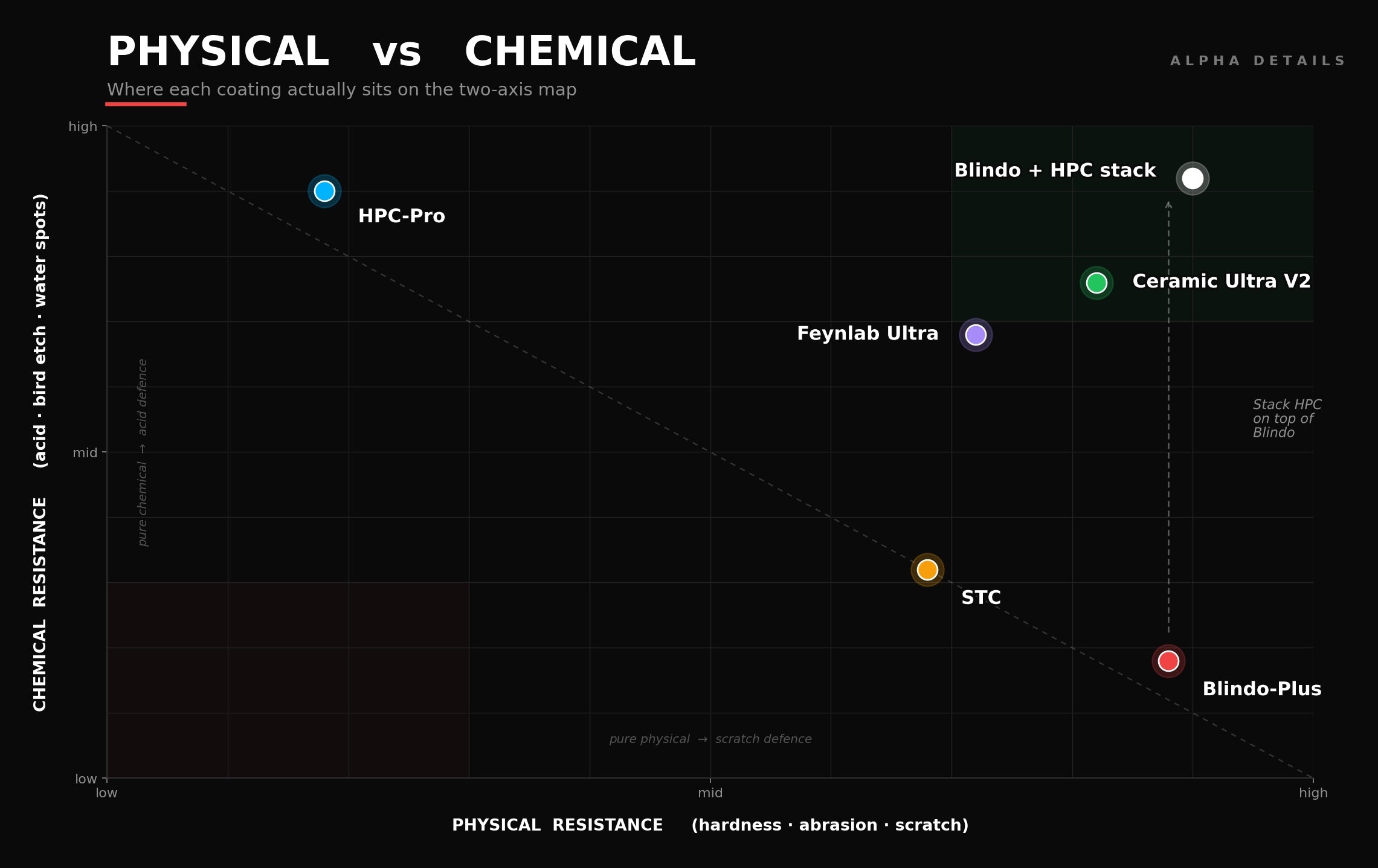
Physical vs Chemical Ceramic Coatings — what the labels actually mean
One bottle says 100% physical. The one next to it says 100% chemical. If you've seen our last Instagram reel you already know where this is going — but a minute wasn't enough. So here's the full ch...
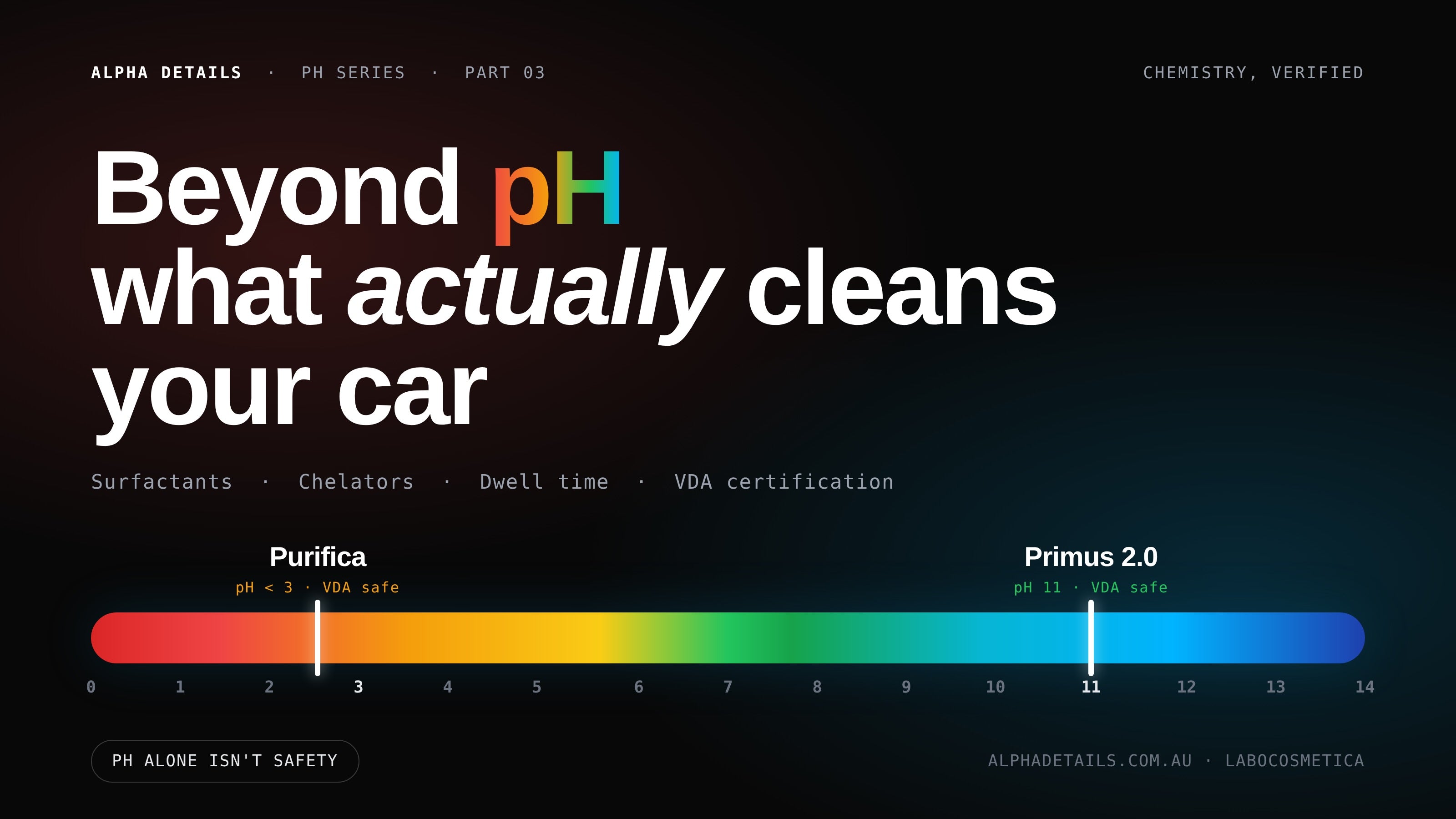
Beyond pH: What Actually Cleans Your Car (pH Series Part 3)
Part 3 of our pH series. If pH alone doesn't tell you whether a cleaner is safe, what does? Surfactants, chelators, dwell time, and the VDA certification that separates verified safe chemistry from...
Why pH Doesn't Tell the Full Story: The Chemistry Your Cleaner Label Won't Show You
In our last post, we broke down the pH scale and showed you just how aggressive each step really is — every single number represents a 10× increase in chemical strength. If you haven’t read that on...
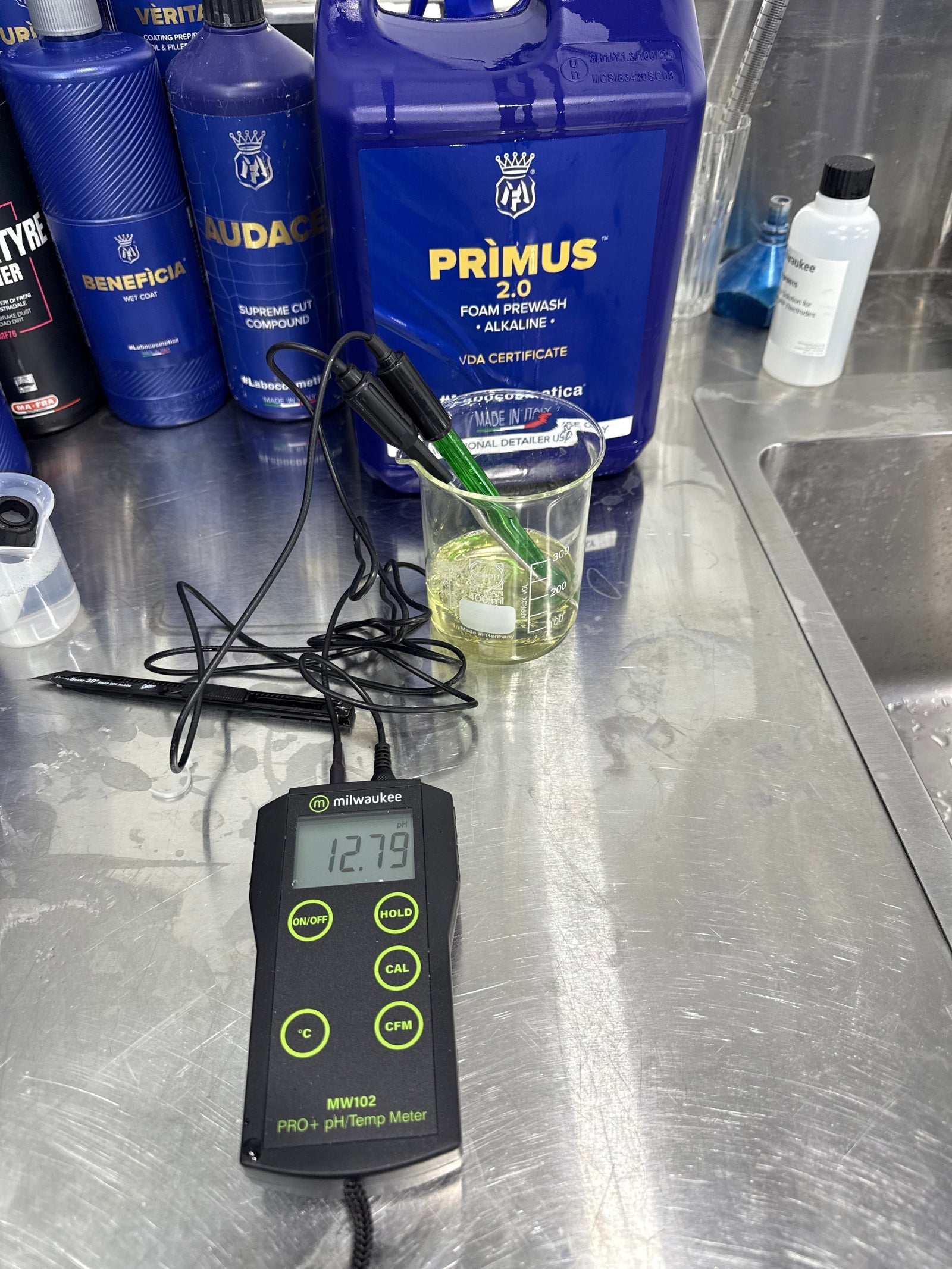
pH in Car Detailing: The Chemistry That Separates Results from Guesswork
Why the number on the back of your product matters — exponentially more than you think. Most people treating car care products like detergent are leaving serious results on the table. The chemistry...
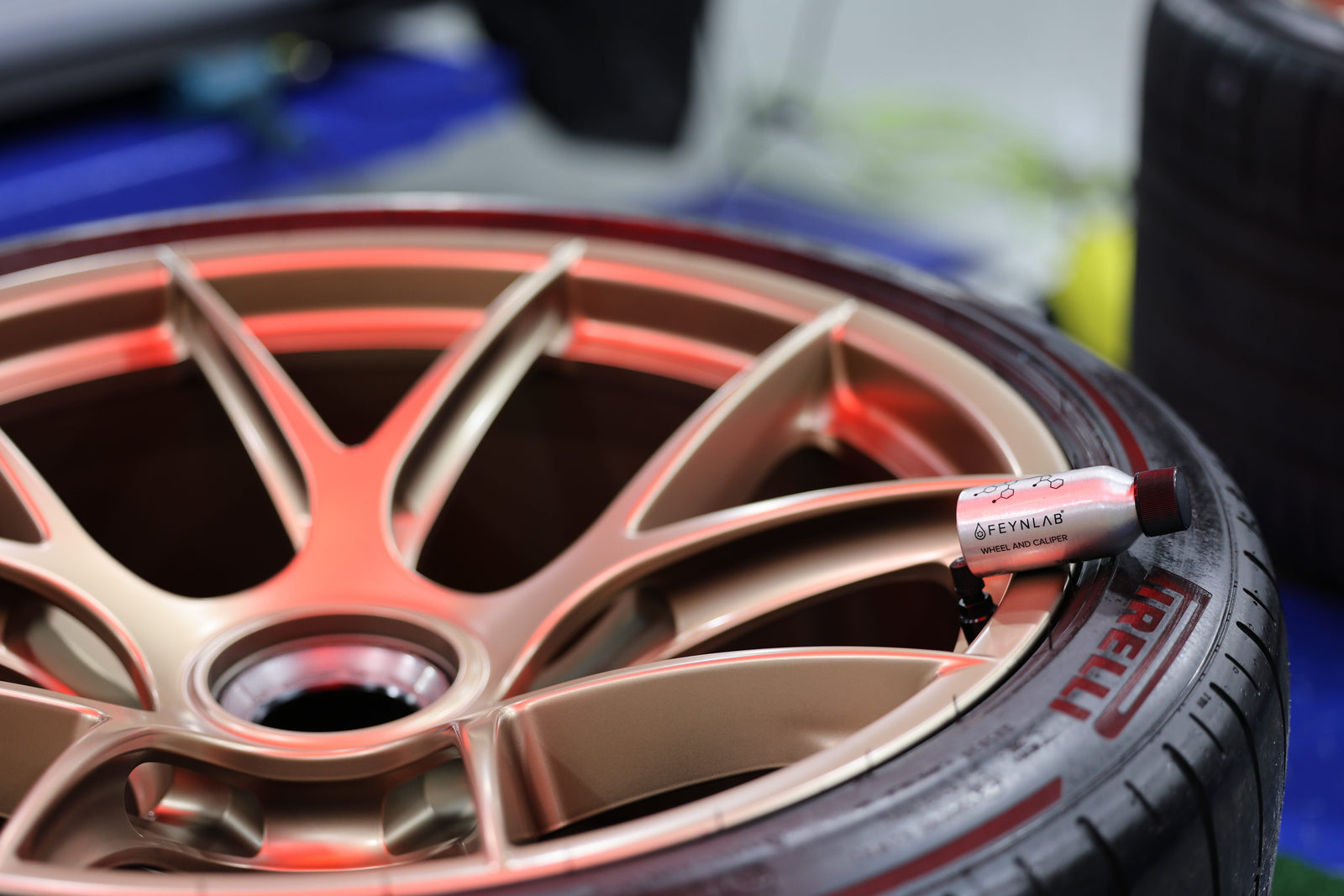
The Feynlab Ceramic Range Explained: Real Chemistry, Real Protection
We've been applying Feynlab coatings at Alpha Details for over ten years. In fact, we're the team that organised and enabled Feynlab as the preferred coating for Porsche Australia — so when we reco...
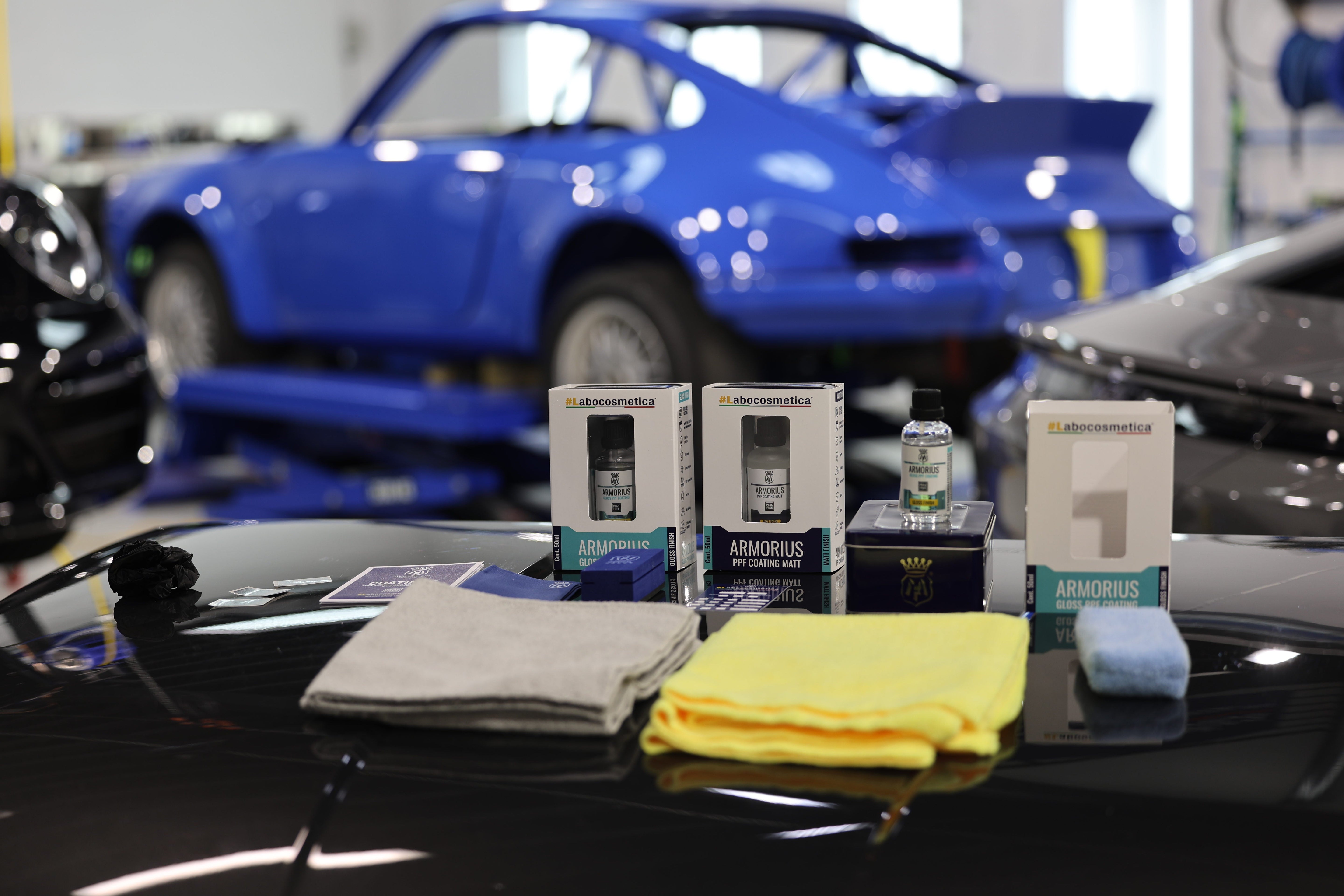
The Labocosmetica Range: Complete Vehicle Protection, Properly Explained
At Alpha Details, we don't stock products we can't explain. With a chemistry degree and a working detailing studio in Melbourne, every product on our shelf has been assessed on its formulation, its...