
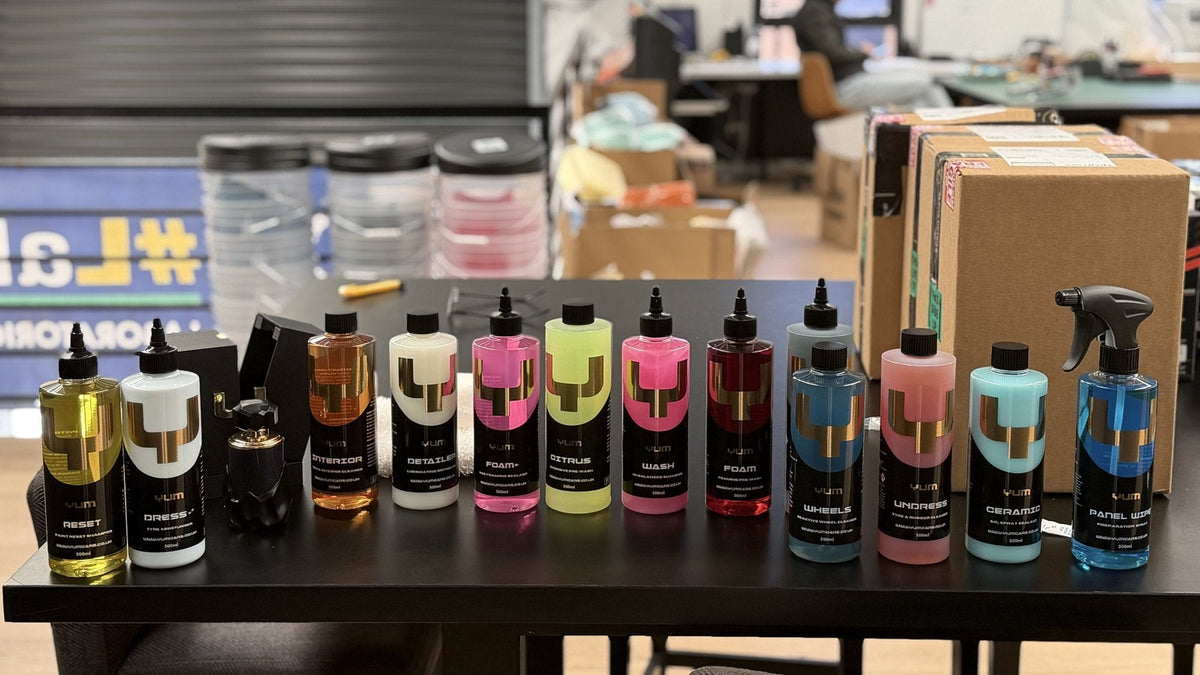
Why We Added Yum Cars to Our Shelf: A Chemist's Take on the Range
Why a chemistry-first detailing store in Melbourne added Yum Cars: the founders' story, what the safety data sheets showed, the range in order of use, a 3pH wash system and the Serum ceramic coatings.
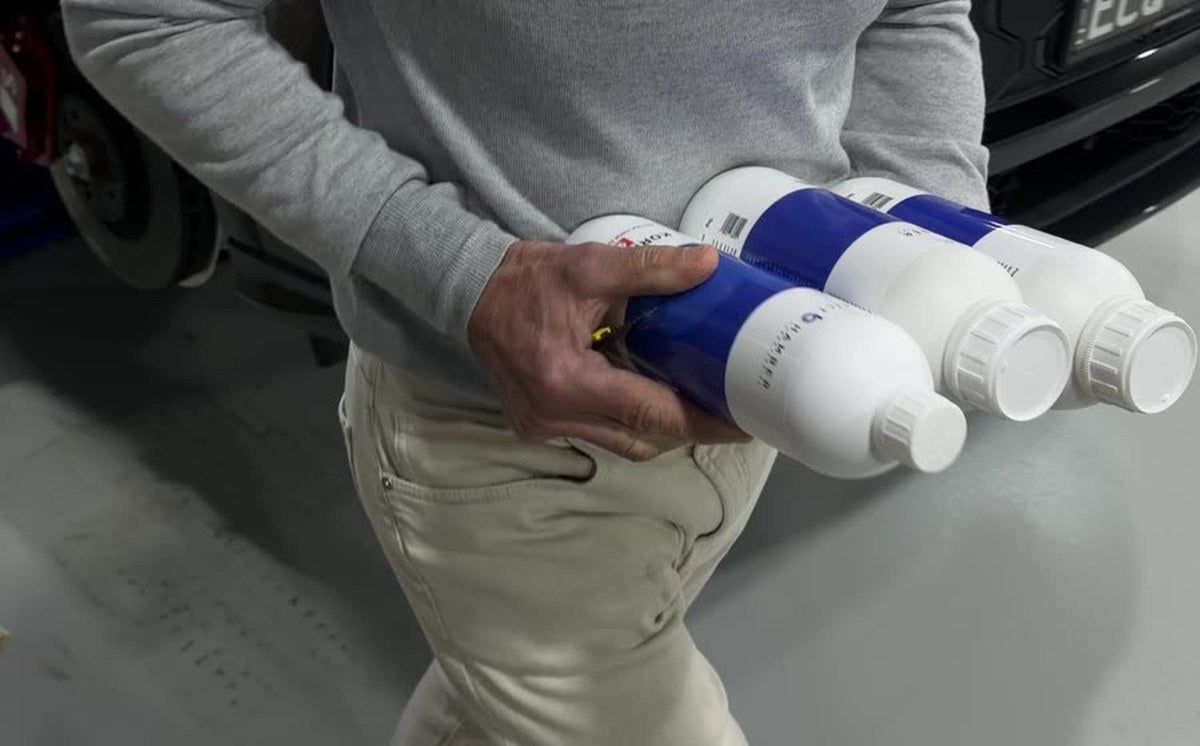
The Best Iron Remover in Australia? A Chemist Compares Nine
Nine iron fallout removers we stock, compared from their safety data sheets: thioglycolate chemistry, pH, concentration, odour, dwell and price, plus which one to use on paint, wheels or indoors.
Chelators, Solvents and How to Read a Safety Data Sheet
Nobody markets a chelator. There is no bottle on any shelf in Australia sold on the strength of its sequestrant package. And yet the chelator, the solvent and the builder are usually the differ...
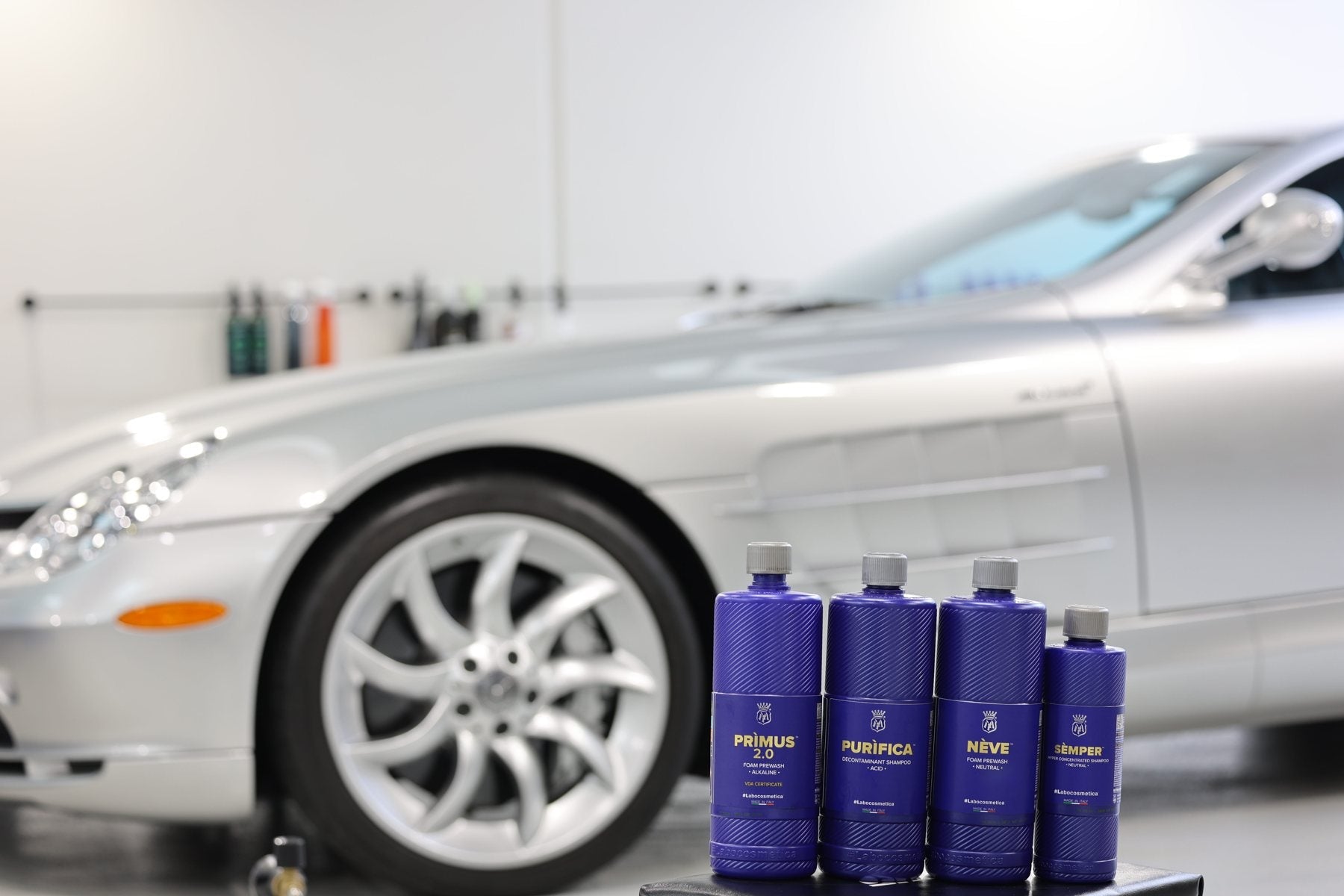
Car Shampoo and Surfactant Chemistry: The Four Families, and the Beading Trick
Every cleaning product on your shelf is built around surfactants — and the electrical charge on one end of that molecule predicts most of what the product will do to your car. Learn four famili...
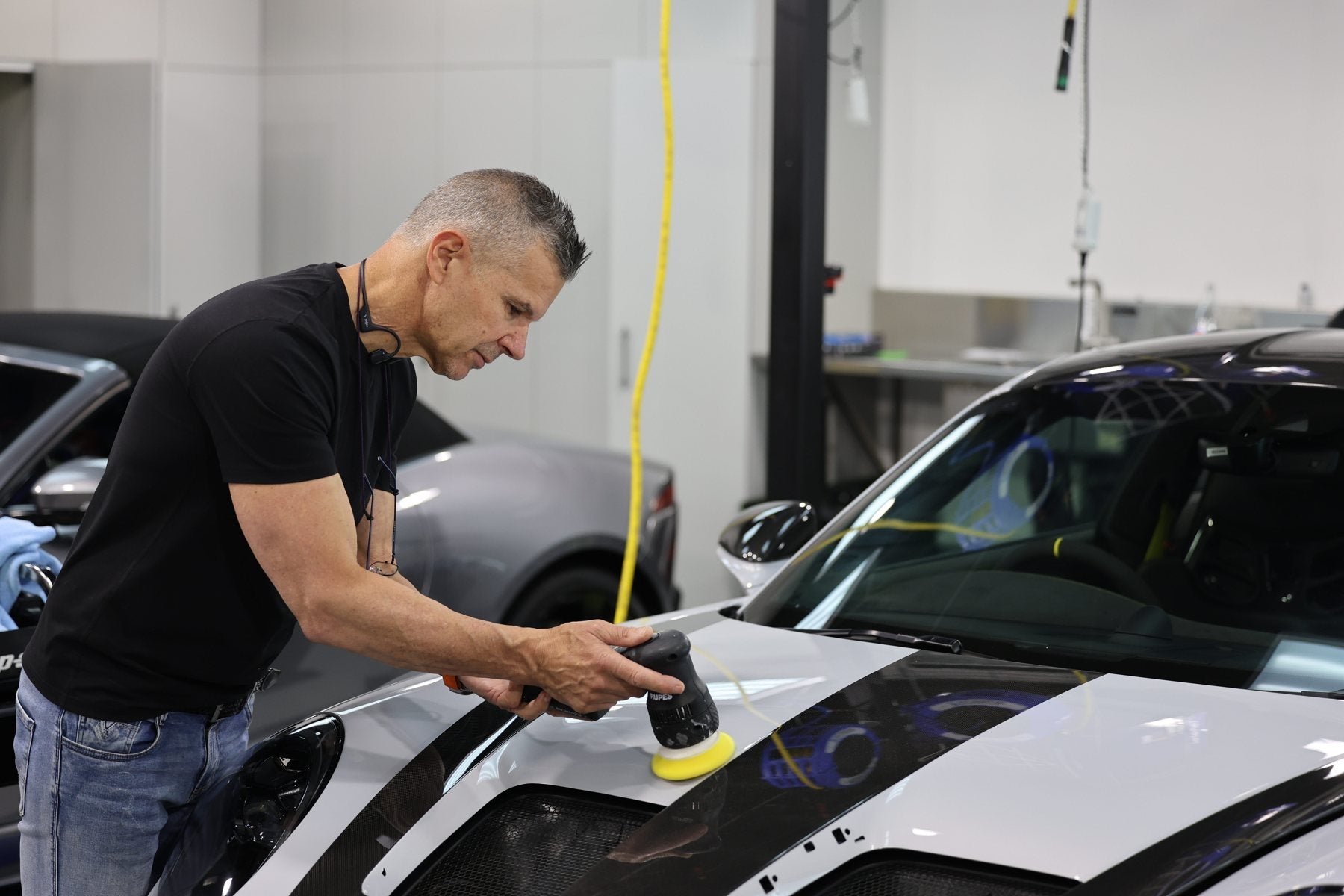
Polishing Compound Chemistry: Abrasives, Fillers, and the 8 Microns You Have to Spend
A polishing compound is a different kind of product to everything else in the cupboard. It is not lifting soil off a surface — it is abrading the surface itself. Once material is gone it is gon...
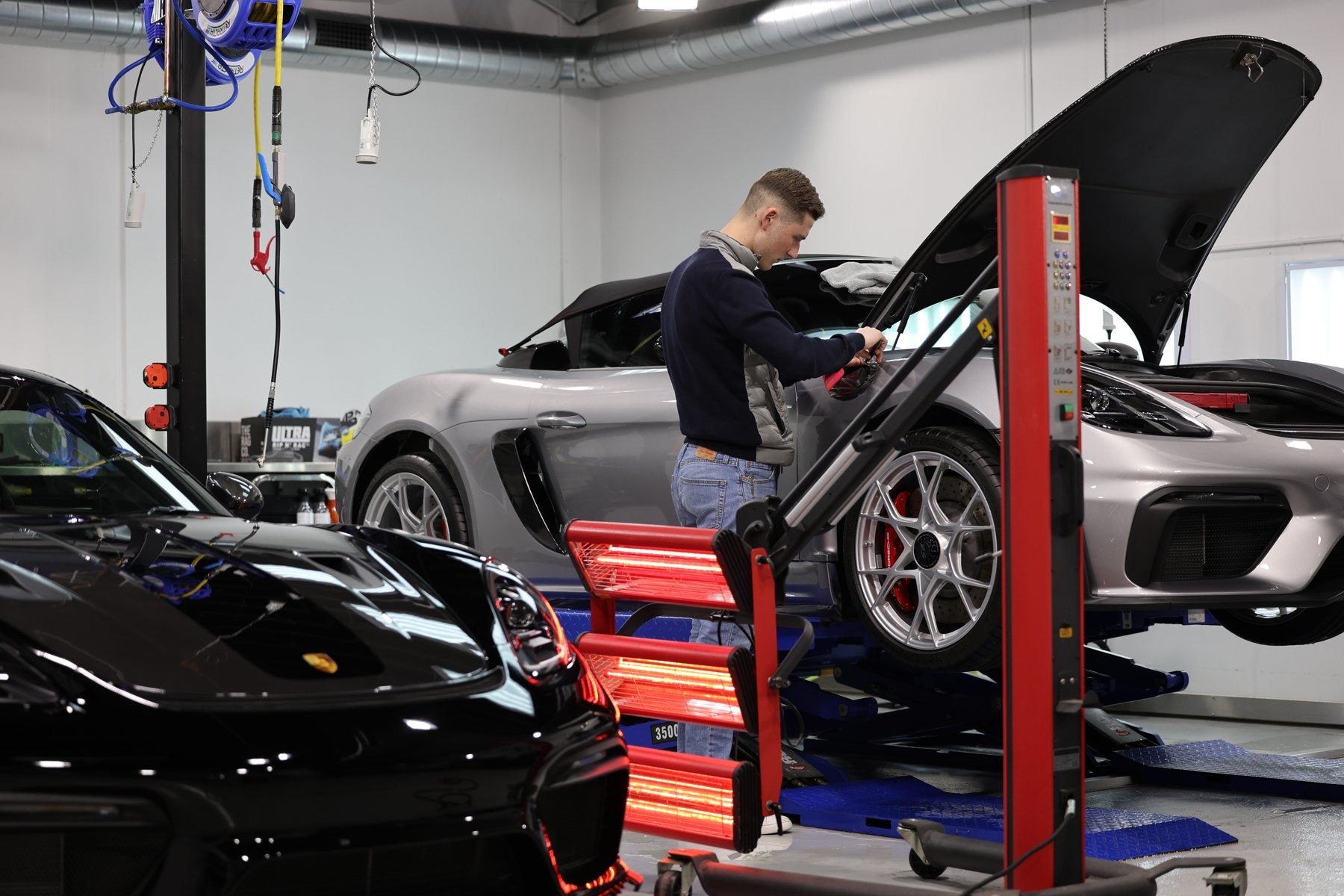
Glass is the one surface where "cleans well" is not enough. A glass cleaner has to remove the film and leave almost nothing behind, because any non-volatile residue becomes a smear the moment t...